

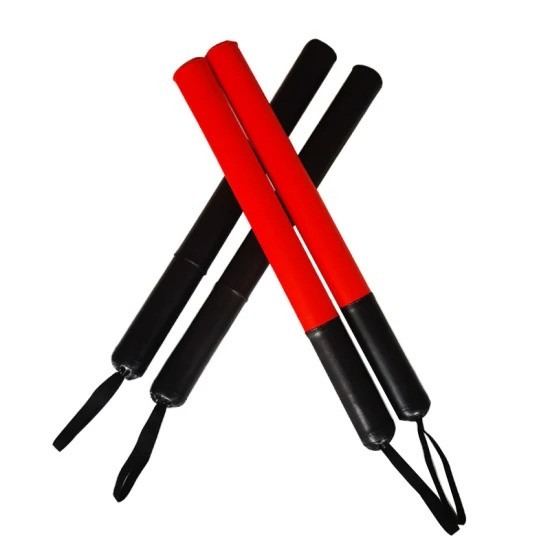
In 2024, the art of crafting Chinese martial arts equipment continues to honor the rich heritage and traditions of ancient China. At the same time, modern techniques and materials enhance the quality and performance of these essential tools for martial artists worldwide. This article takes you behind the scenes to explore the intricate process of creating authentic Chinese martial arts equipment.
The Importance of Tradition
Chinese martial arts equipment, such as swords, staffs, and spears, are deeply rooted in the history and culture of China. Each piece carries a legacy of craftsmanship that dates back centuries. Tradition is at the heart of every step in the production process, ensuring that the equipment not only performs well but also embodies the spirit of Chinese martial arts.
Selecting the Right Materials
The first step in crafting Chinese martial arts equipment is selecting the right materials. Traditional equipment often uses materials like:
- High-carbon steelfor blades
- Hardwoodfor staffs and handles
- Silk and leatherfor grips and decorations
Modern advancements have introduced new materials such as stainless steel and synthetic fibers, which offer improved durability and maintenance.
The Crafting Process
- Forging the Blade
For swords and other bladed weapons, forging the blade is a critical process. Skilled blacksmiths heat the metal to high temperatures and then hammer it into shape. This process, known as tempering, ensures that the blade is strong yet flexible.
- Shaping the Handle
The handle, or hilt, of a weapon is crafted from hardwood or modern composites. It is carefully shaped and often wrapped in silk or leather for a comfortable and secure grip. The hilt’s design can vary, with intricate carvings and decorations that reflect traditional Chinese motifs.
- Assembling the Weapon
Once the blade and handle are ready, they are assembled with precision. The tang of the blade is fitted into the handle, and both are secured together using traditional methods such as peening or more modern techniques like welding. This ensures the weapon is sturdy and ready for use.
- Final Touches
The final touches on Chinese martial arts equipment involve polishing the blade, adding any necessary decorations, and ensuring the balance and weight are perfect for the practitioner. These details not only enhance the weapon’s aesthetics but also its functionality.
Modern Innovations
While tradition plays a significant role, modern innovations have also found their place in the crafting of Chinese martial arts equipment. Advanced metallurgy techniques allow for the creation of blades that are more resistant to wear and corrosion. Additionally, ergonomic designs have been introduced to improve the comfort and performance of the equipment.
Quality Control
Quality control is a crucial aspect of the crafting process. Each piece of equipment undergoes rigorous testing to ensure it meets the high standards expected by martial artists. This includes stress tests, balance checks, and inspections for any imperfections.
Preserving the Art
In 2024, the preservation of the traditional art of crafting Chinese martial arts equipment is as important as ever. Many craftsmen are dedicated to passing on their knowledge and skills to the next generation. Workshops and apprenticeships are common, allowing young artisans to learn the intricate details of this ancient craft.
Conclusion
The creation of authentic Chinese martial arts equipment in 2024 is a fascinating blend of tradition and modern innovation. By honoring the past while embracing the future, craftsmen ensure that martial artists can continue to practice with equipment that is both historically significant and technically advanced. For more insights into the world of Chinese martial arts equipment, visit Battle Blades.