

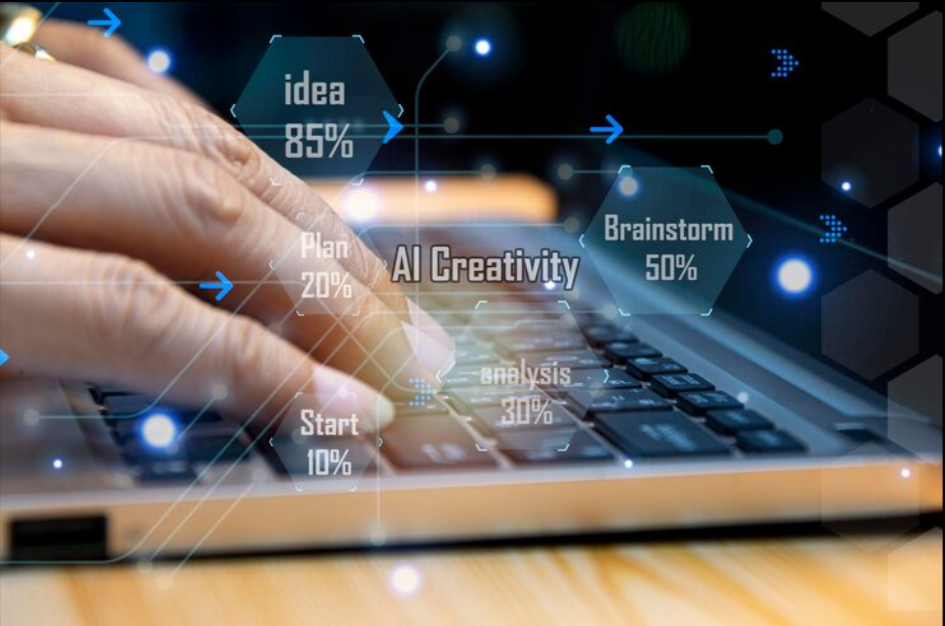
How AI-generated texts are transforming creativity and how human imagination continues to shape authentic storytelling in the digital era.
Artificial intelligence isn’t just a buzzword or a distant promise, it’s become a real partner in the way we write, share, and experience stories. What started as simple grammar checkers and keyword tools has grown into technology that can craft entire articles, build brand identities, and even compose poetry. For many writers and creators, this new reality is both exciting and a little unsettling.
Now that algorithms are stepping into the storyteller’s shoes, the meaning of creativity itself is shifting. It’s no longer just about what computers can generate, but about how we as humans can use these digital tools to unlock new forms of expression.
The Rise of Human-Machine Collaboration
Creativity has always drawn on a mix of intuition, knowledge, and emotion, a blend unique to each person. But with AI, there’s a new element in the mix: speed, scale, and a knack for analysis. Writers, marketers, and journalists have access to tools that can instantly review tone, study audience trends, and optimize content for engagement.
But rather than replacing our creative spark, AI can help us see it from a new angle. Maybe the more interesting question isn’t “Can AI write like us?” but “How can we write better with AI by our side?” Done right, technology becomes a springboard, handling the technical stuff so we can focus on creative storytelling.
Platforms like WeAreContent show just how powerful this partnership can be. They don’t treat AI as competition, but as a teammate that helps make content brighter, sharper, and more widely accessible. This isn’t just a shift in how we work, it’s a whole new chapter for creative communication.
Finding Soul in Automated Stories
Some worry that automation could flatten creativity, turning art into something cold and mechanical. But today’s writers use AI as a foundation—a way to sketch out ideas, explore possibilities, and build structure, while still infusing every word with emotion and intention. In this relationship, the algorithm may set the stage, but the human voice brings heart, context, and meaning.
It’s not a battle between humans and machines. Instead, we’re teaching technology to help us tell more authentic stories. When we use AI thoughtfully, it can lift our creative voices, not drown them out.
Redefining Originality in the Era of Endless Data
With content being created in seconds, originality is being reimagined. It’s less about inventing something totally new and more about the perspective we bring, the personal lens through which we share ideas.
AI models are great at mixing and matching information, but true originality still needs a human touch. Machines can spot patterns, but only we can find meaning. The most powerful results come when we combine analytical power with emotional insight.
Writers embracing this change are learning to design stories, shape narratives, and add emotional depth, turning creativity into a thoughtful process instead of a lucky accident.
A New Creative Economy Takes Shape
Automation isn’t shrinking the creative world, it’s expanding it. Brands and publishers want faster, multilingual, and SEO-friendly content, but they still crave authenticity. This has built a new ecosystem, where content is not just strategic, but intelligent and meaningful.
For freelancers and agencies, creativity now has more dimensions. Today’s content strategist might be a writer, a tech-savvy curator, a voice designer, and a data interpreter all at once. AI makes this transformation possible, but it also shows us a more profound truth: creativity is about making connections that matter, not just making more.
AI won’t take the place of creative professionals, it will empower those who know how to use it well.
Ethics, Ownership, and the Human Touch
As AI gets more involved in storytelling, new questions pop up: Who owns ideas that come from algorithms? What happens if AI introduces mistakes or bias? These aren’t just theoretical; they shape the future of digital content and its values.
Being responsible with AI means being open about how it’s used. People deserve to know when technology plays a part in what they read. But beyond being transparent, it’s vital to keep human values front and center.
AI can mirror how we write, but it can’t replicate our empathy or our life experiences. That’s still the writer’s job. In a time when misinformation can spread quickly, our responsibility to curate truth is more important than ever.
Creativity and Identity in a Changing World
Bringing AI into creative work doesn’t mean the end of human imagination; it’s an invitation to think bigger. The blank page isn’t just a challenge anymore; it’s a chance to interact and collaborate.
Creators prompt, adjust, and reimagine. Algorithms generate, respond, and learn. Together, they form a creative loop that’s dynamic, surprising, and full of new possibilities. The future of storytelling belongs not to humans or machines alone, but to their partnership.
Creativity isn’t about resisting change, it’s about growing with it. While our tools may evolve, our core mission is the same: to inspire, move, and connect people through emotion and meaning.
AI might provide the words, but humans will always be the reason behind them.