

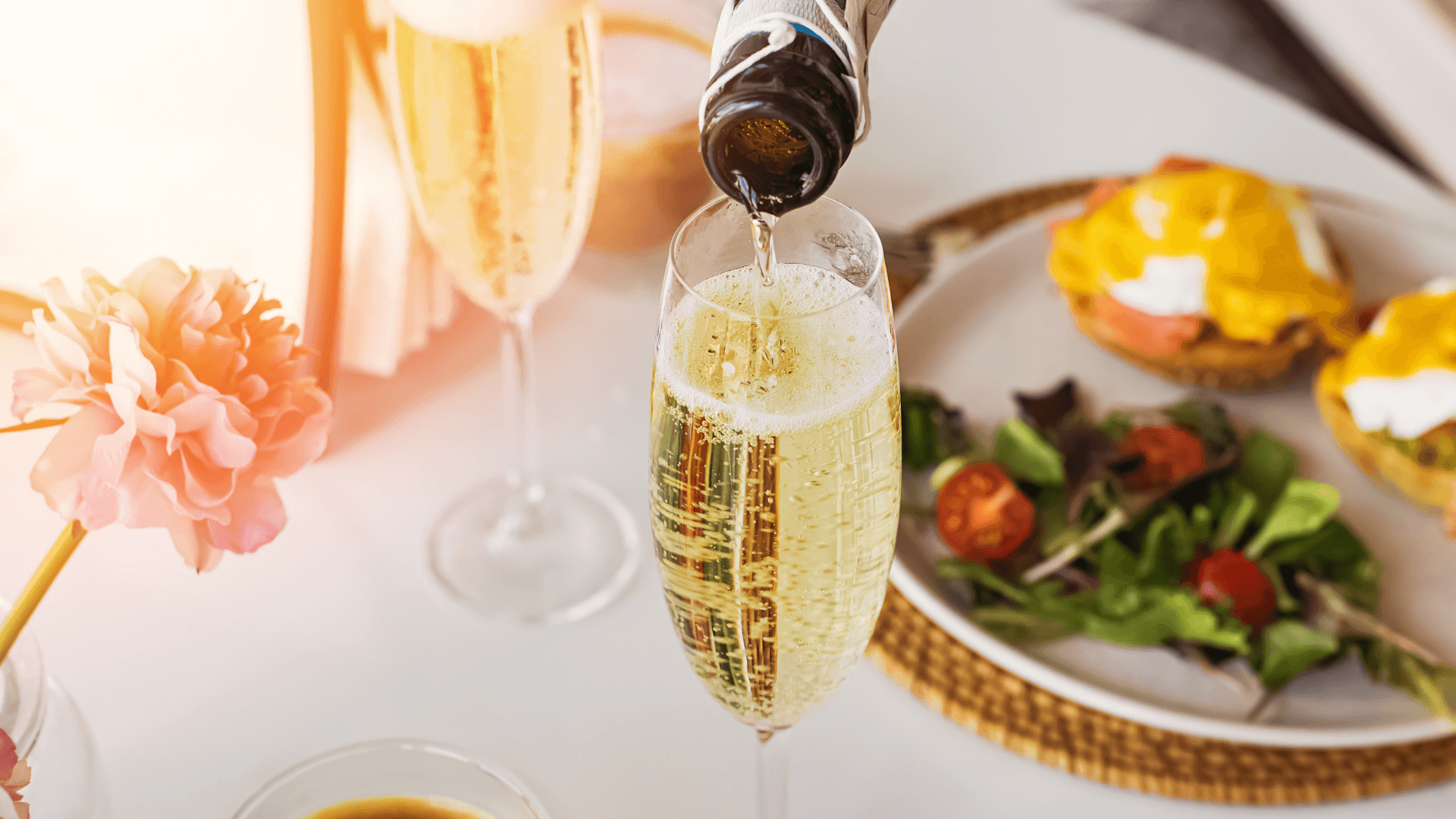
Introduction to Sparkling Wines
Sparkling wines are a celebratory staple, often associated with special occasions, from weddings to milestone birthdays. Their effervescence not only adds excitement to any gathering but also enhances the tasting experience. This guide delves into the world of sparkling wines such as Pet nat, exploring their types, production methods, and how best to enjoy them.
Understanding the Different Types of Sparkling Wines
Sparkling wines come in a variety of styles and flavors, each with its unique characteristics and origins. Here are some of the most popular types:
2.1 Champagne
Champagne is perhaps the most renowned sparkling wine globally, hailing from the Champagne region in France. It is crafted primarily from three grape varieties: Chardonnay, Pinot Noir, and Pinot Meunier.
– Characteristics: Champagne is known for its fine bubbles and complex flavors, often exhibiting notes of citrus, almond, and brioche.
– Regulations: To be labeled as Champagne, the wine must adhere to strict regulations regarding its production method (Méthode Champenoise), geographic origin, and grape varietals.
2.2 Prosecco
Originating from Italy, Prosecco has gained immense popularity for its approachable taste and affordability.
– Grape Variety: Primarily made from Glera grapes.
– Characteristics: Prosecco tends to be lighter and fruitier than Champagne, often featuring flavors like apple, pear, and floral notes.
– Production Method: Unlike Champagne’s traditional method, Prosecco is made using the Charmat method, where secondary fermentation occurs in large tanks rather than individual bottles.
2.3 Cava
Spain’s answer to sparkling wine is Cava, which hails mainly from the Catalonia region.
– Grape Varieties: The primary grapes used in Cava include Macabeo, Xarel-lo, and Parellada.
– Characteristics: Cava offers a balance between fruitiness and complexity with a creamier mouthfeel compared to Prosecco but generally less expensive than Champagne.
2.4 Other Notable Sparkling Wines
The world of sparkling wine extends far beyond these three popular options:
– Franciacorta: An Italian sparkling wine that uses the traditional method similar to Champagne but boasts a unique flavor profile due to its indigenous grape varieties.
– Sekt: A German sparkling wine that can range from dry to sweet; it is made from various grape varieties including Riesling.
– Sparkling Shiraz: An Australian innovation that combines red wine with bubbles; it often exhibits rich berry flavors complemented by earthy undertones.
The Sparkling Wine Production Process
The creation of sparkling wine involves an intricate process that highlights both art and science:
1. Primary Fermentation: Grapes are harvested and fermented into base wine.
2. Blending: Winemakers blend different base wines to achieve desired flavors.
3. Secondary Fermentation: In traditional methods like that used for Champagne, a mixture of sugar and yeast is added to bottled base wine, creating carbonation as it ferments.
4. Riddling: Bottles are gradually tilted and rotated to move sediment into the neck.
5. Disgorgement: The neck of the bottle is frozen; sediment is removed before adding a dosage (a mix of sugar and wine) for sweetness adjustment.
6. Corking: Finally, the bottle is sealed with a cork.
This labor-intensive process can take years, especially for premium labels.
Pairing Sparkling Wines with Food
Sparkling wines are incredibly versatile when it comes to food pairings:
– Champagne: Pairs beautifully with salty foods like caviar or fried chicken due to its acidity which cuts through richness.
– Prosecco: Its fruity notes complement light appetizers like bruschetta or seafood dishes.
– Cava: Works well with tapas-style dishes like patatas bravas or chorizo due to its balanced character.
– Sparkling Shiraz: Ideal for barbecued meats or rich chocolate desserts because its boldness can stand up to intense flavors.
Understanding flavor profiles can elevate your dining experience significantly.
Celebrating with Sparkling Wines
From weddings to anniversaries and New Year’s Eve parties, sparkling wines herald joyous occasions:
– Weddings: Often served during receptions or as a toast; consider offering a selection such as Champagne or Prosecco for guests’ preferences.
– Milestone Celebrations: Opt for high-quality vintage Champagnes for significant achievements or anniversaries.
– Casual Gatherings: Choose accessible options like Cava or Prosecco for casual get-togethers without compromising on quality.
Incorporating sparkling wine into your celebrations adds a touch of elegance and festivity.
Choosing the Right Glassware for Sparkling Wines
The right glassware enhances the enjoyment of sparkling wines:
– Flutes: Traditional choice; they maintain bubbles longer but limit aroma access.
– Tulip Glasses: Offer a compromise between flutes and wider glasses; they enhance aroma while preserving effervescence.
– Coupe Glasses: Stylish but not ideal for maintaining bubbles due to their wide surface area.
Selecting appropriate glassware can significantly affect your tasting experience.
Storing and Serving Sparkling Wines
Proper storage and serving methods are crucial for maximizing enjoyment:
Storage Tips
– Keep bottles upright in a cool, dark place away from temperature fluctuations.
– Ideal storage temperature ranges between 45°F (7°C) and 65°F (18°C).
Serving Tips
– Chill sparkling wines before serving; aim for around 40°F (4°C).
– Pour gently into your chosen glass type to minimize foam while maximizing aroma access.
These practices ensure that every sip remains delightful.
The Future of Sparkling Wines
As consumer preferences evolve, so does the landscape of sparkling wines:
– Increased Interest in Organic and Biodynamic Practices: Many producers are now focusing on sustainable methods that resonate with environmentally-conscious consumers.
– Rising Popularity of Non-Traditional Varietals: Winemakers experiment with lesser-known grape varieties leading to unique flavor profiles that capture consumer interest.
The industry continues innovating while honoring traditional practices.
Exploring Non-Alcoholic Alternatives
With growing awareness about health and wellness, non-alcoholic sparkling alternatives have emerged:
– Brands now offer non-alcoholic versions that replicate traditional flavors using innovative fermentation techniques.
– These options allow everyone to partake in celebrations without alcohol while still enjoying bubbly goodness.
Non-alcoholic sparkling wines are paving the way for inclusive festivities where everyone can join in the fun without compromising on taste.
As you explore this effervescent world filled with diverse offerings suitable for every occasion—from intimate dinners to grand celebrations—remember that each bottle tells a story steeped in tradition, innovation, and joy. Whether you’re raising a glass at a wedding or enjoying a quiet evening at home, there’s a sparkling wine perfectly suited for every moment worth celebrating.