

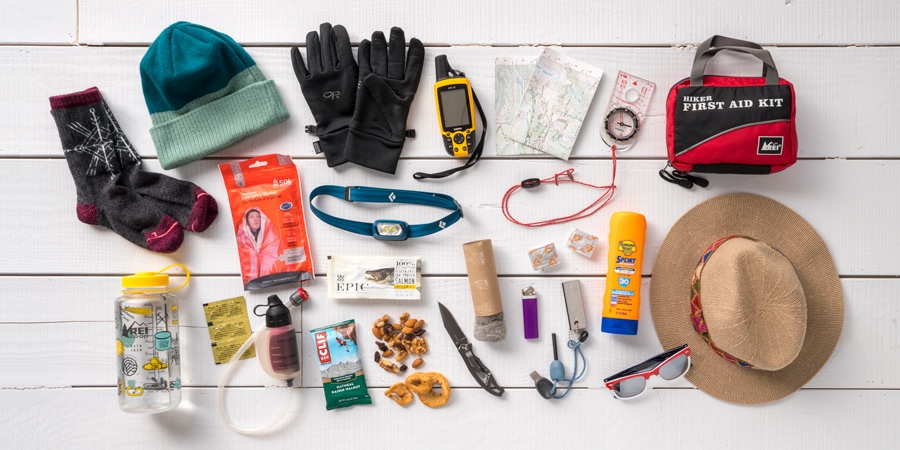
Preparing for an outdoor adventure requires careful planning, especially when it comes to packing your camping backpack. Forgetting a crucial item can turn an exciting trip into an uncomfortable experience. Whether you’re heading out for a weekend getaway or a week-long expedition, knowing what to pack in your camping backpack ensures you are ready for any situation. In this guide, we will cover the essential items you need to include to make your adventure safe, comfortable, and memorable.
Choosing the Right Camping Backpack for Your Trip
Before you start packing, selecting the right camping backpack is crucial. The size and design of your backpack should match the nature of your trip. For shorter trips, a medium-sized hiking backpack with a capacity of around 40 liters might be sufficient. However, for longer journeys that require carrying tents, extra food, and gear, a larger camping backpack around 60-80 liters is more appropriate. Look for models that offer good weight distribution, multiple compartments, and comfortable padding to support long hikes.
Shelter and Sleeping Gear for Your Camping Backpack
A shelter is one of the most critical components of your outdoor gear. Make sure your camping backpack includes a lightweight, weather-appropriate tent or a bivy sack. Additionally, pack a sleeping bag that suits the expected temperatures and a compact sleeping pad for extra comfort. These items are bulkier, so they should be packed at the bottom of your hiking backpack to keep the center of gravity low and stable.
Clothing Essentials for a Hiking Backpack
Weather in the wilderness can change rapidly, making clothing one of the most important aspects of your hiking backpack packing list. Include moisture-wicking base layers, an insulating layer like a fleece or down jacket, and a waterproof outer shell. Don’t forget extra socks, a hat, gloves, and breathable underwear. When packing your camping backpack, always prioritize versatility and layering to adapt to various weather conditions.
Food and Cooking Supplies for Your Camping Backpack
Proper nutrition keeps your energy levels high during an outdoor trip. Your camping backpack should carry lightweight, high-calorie foods like trail mix, energy bars, dehydrated meals, and instant oatmeal. Include a portable stove, fuel canister, lightweight cooking pot, utensils, and a lighter or waterproof matches. Organize food in waterproof bags inside your hiking backpack to protect against rain and pests.
Hydration and Water Purification in a Hiking Backpack
Staying hydrated is critical during any outdoor adventure. Your hiking backpack should always have a hydration system, like a water bladder, or space for multiple water bottles. In addition, pack a water purification method, such as purification tablets, a portable water filter, or a UV purifier. Access to clean water is never guaranteed, so carrying purification tools in your camping backpack ensures you stay safe from waterborne illnesses.
Navigation and Safety Tools for Your Camping Backpack
When venturing into nature, it’s essential to have reliable navigation tools. A map, compass, and GPS device should all find a place inside your camping backpack. Additionally, carry a fully charged headlamp with spare batteries, a multi-tool, and a personal first-aid kit. Having a whistle and a reflective emergency blanket can also be life-saving during unexpected situations. Organize these safety items in easily accessible pockets of your hiking backpack.
Personal Hygiene and Health Items in a Hiking Backpack
Maintaining hygiene during outdoor trips is important for comfort and health. Your hiking backpack should include biodegradable soap, toothbrush and toothpaste, quick-dry towels, and hand sanitizer. Pack lightweight toilet paper and a small trowel for digging catholes. Including a basic health kit with medications, blister care, and sunscreen in your camping backpack ensures you’re prepared for minor injuries and exposure risks.
Essential Extras to Consider for Your Camping Backpack
A few additional items can significantly improve your outdoor experience. Pack sunglasses, insect repellent, duct tape for emergency repairs, and a small journal or book for relaxation. Trekking poles, attached to the outside of your hiking backpack, can make long hikes easier on your knees. Also, consider a small daypack inside your camping backpack for short hikes from your base camp.
Choosing lightweight and multi-purpose items helps keep your hiking backpack manageable without sacrificing comfort and safety. Always review your gear list before departure to make sure nothing vital is missing.
Organizing Your Camping Backpack for Efficiency
Packing your camping backpack strategically enhances comfort and accessibility. Heavy items like food and shelter should be placed close to your back and centered vertically. Lighter items like clothing can be packed towards the outer areas. Keep frequently used items, like maps, snacks, and rain gear, near the top or in external pockets of your hiking backpack. A well-organized camping backpack saves time and reduces frustration when you need something quickly on the trail.
Final Thoughts: Be Prepared and Enjoy the Journey
Properly packing your camping backpack is a skill that can make or break your outdoor adventure. From shelter to safety tools, every item has a purpose. Take the time to plan your gear carefully and practice packing and unpacking your hiking backpack before heading out. With the right preparation, you can confidently embrace nature and enjoy every step of the trail.
These camping backpack and hiking backpack models are available with the assurance of 99 Percent Handmade.