

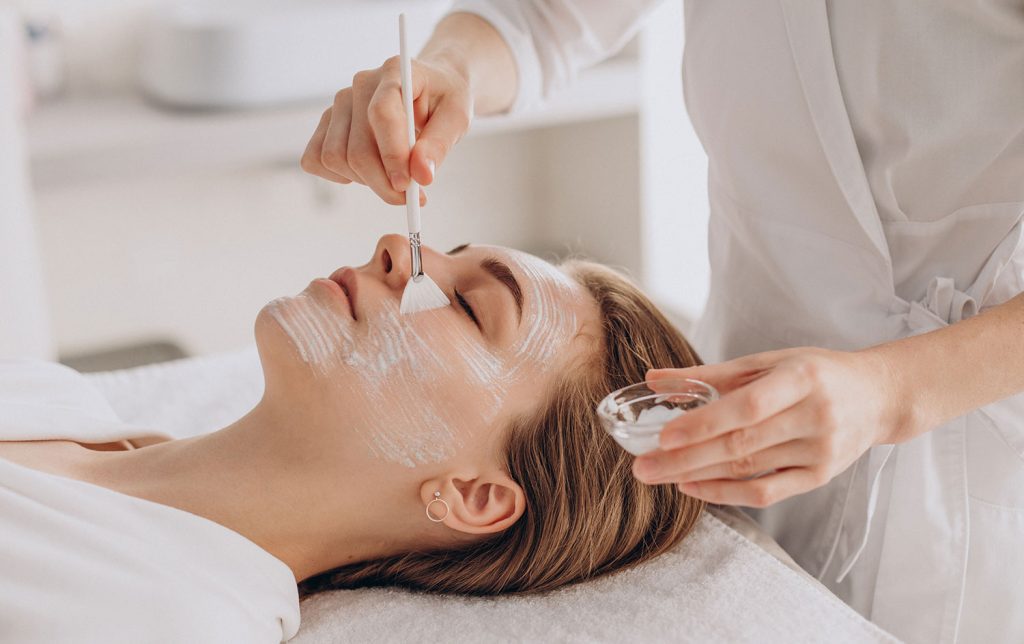
Many people want their skin to be healthy and glow. New skincare products have made it easier than ever to get a smoother texture, even tone, and a more youthful look. Acid peels and the Hydrafacial are two of the most popular choices right now. One works in a certain way to improve skin health, while the other does so in a different way. Which one you choose will rely on your skin type, your concerns, and the results you want. Knowing about these methods can help you make an informed choice about your skin care journey.
Understanding Chemical Peels
A chemical peel uses a mix of acids to remove dead and damaged skin cells from the surface of the skin. This controlled exfoliation triggers skin regeneration, which often leads to smoother and brighter skin. Chemical peels vary in intensity from light peels that require no downtime to deeper peels that produce more dramatic results and may involve a short recovery period.
Light and medium peels are most commonly used in routine skincare plans. They help improve concerns such as uneven tone, acne scars, fine lines, hyperpigmentation, and rough texture. Because they encourage collagen renewal, many people notice that their skin looks healthier and firmer over time. But chemical peels can make the skin more sensitive for a few days, so it’s important to stay out of the sun afterwards.
Understanding the Hydrafacial
The Hydrafacial is a soft but effective way to clean, exfoliate, remove dead skin, and infuse the skin with serums that are good for it. It does all of this through a specialized device that uses water-based vortex suction. Unlike chemical peels, there are no strong acids involved, and the treatment is designed to hydrate the skin while improving clarity.
Hydrafacial is popular because it offers immediate results with no downtime. After the treatment, the skin often looks noticeably smoother, brighter, and more refreshed. It is suitable for almost all skin types and can help address clogged pores, dullness, dryness, and mild unevenness in tone.
Which Treatment is Best for Specific Skin Concerns?
A chemical peel might be better if you want to get rid of deeper skin problems like acne scars, dark spots that won’t go away, or signs of ageing. The level of penetration can be adjusted depending on the severity of the concern, making it ideal for targeted corrective skincare.
If your main goals are hydration, pore cleansing, and a naturally radiant glow without downtime, the Hydrafacial is more likely to be the right match. It is also excellent as a maintenance treatment to keep the skin balanced and healthy while supporting daily skincare routines.
Skin Sensitivity and Comfort
Hydrafacial is generally more comfortable because it is a gentle treatment. People with sensitive skin often respond well to it. Chemical peels may cause temporary tingling, warmth, or flaking depending on the strength of the peel. If you have very reactive or thin skin, starting with a Hydrafacial may be a better first step.
Choosing the Right Place for Your Treatment
Professional guidance is important because every skin type has unique needs. Visiting a reputable provider such as Skin Savvy Aesthetics Med Spa Scottsdale allows you to meet with trained skincare specialists who can evaluate your concerns and recommend the right treatment plan. A personalized consultation ensures the treatment suits your skin sensitivity, goals, and lifestyle.
The Final Decision
Both chemical peels and Hydrafacial treatments offer real benefits for healthier, clearer, and more radiant skin. The key difference lies in how gentle or intensive you prefer your skincare to be and what results you are aiming for. If you want a gentle, hydrating glow, Hydrafacial is ideal. If you want corrective resurfacing to target deeper concerns, a chemical peel may be more effective.
No matter which you choose, regular professional skincare can help you maintain results and support long-term wellness for your skin.