

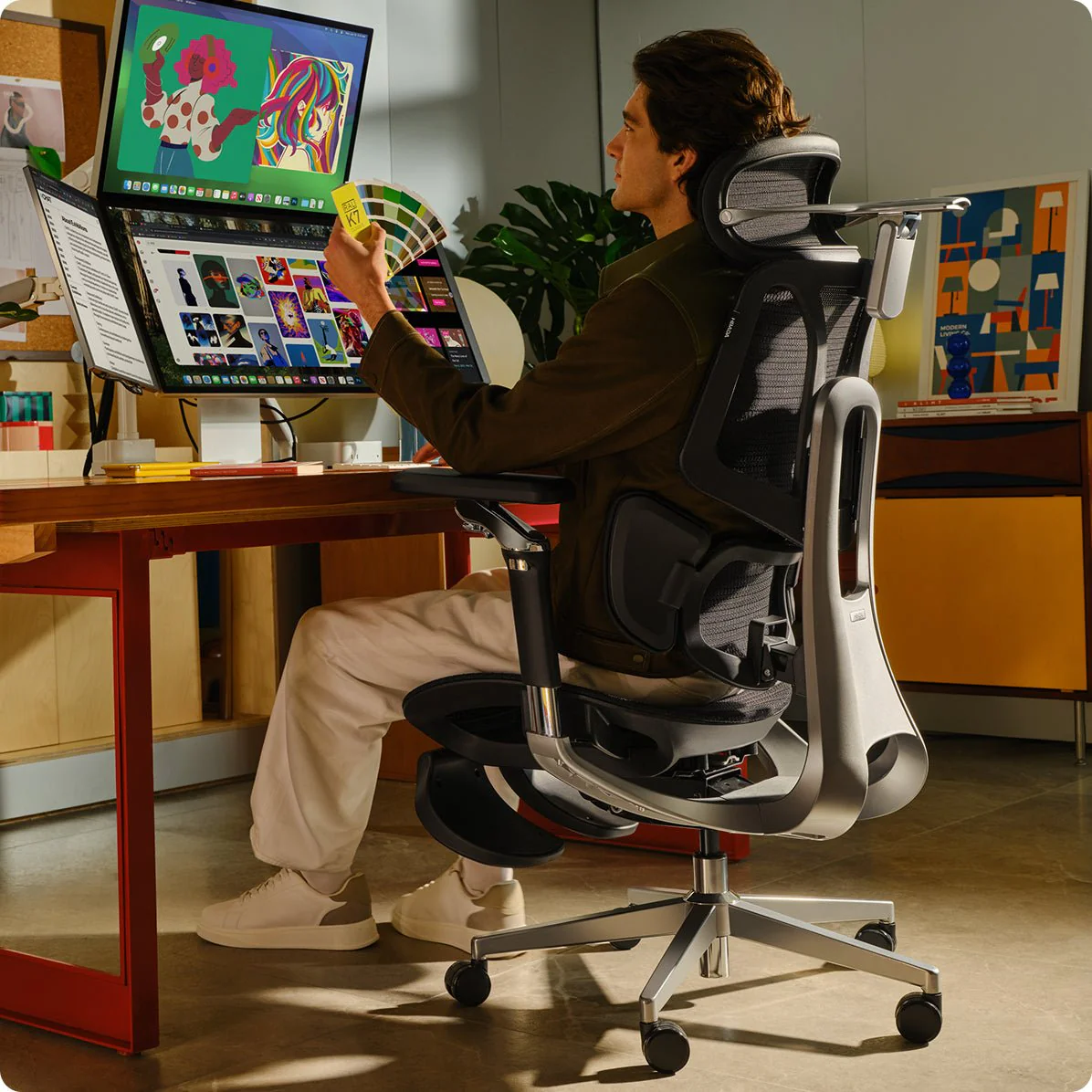
Many professionals spend eight or more hours each day sitting at a desk. While modern work environments have become increasingly digital, long periods of sitting can place significant strain on the spine, shoulders, neck, and hips. Over time, poor posture and inadequate seating may contribute to chronic discomfort, reduced productivity, and even long-term musculoskeletal problems.
Fortunately, advances in ergonomic design have made it easier to create healthier workspaces. Investing in a high-quality office chair is one of the most effective ways to improve posture, reduce fatigue, and support overall well-being. Whether you work from home or in a corporate office, selecting the right chair can make a noticeable difference in your daily comfort.
Why Ergonomics Matter in the Workplace
Ergonomics focuses on designing products and work environments that fit the natural movements and needs of the human body. An ergonomic chair encourages proper posture by supporting the spine’s natural curves while allowing users to adjust the chair to their individual body dimensions.
Unlike standard office chairs, ergonomic models typically include adjustable lumbar support, armrests, seat height, reclining mechanisms, and headrests. These features help reduce pressure on joints and muscles, allowing users to remain comfortable throughout the workday.
Many professionals exploring workplace comfort solutions begin by researching HBADA ergonomic chairs, which are designed with adjustable support systems to accommodate different body types and working styles.
How Sitting for Long Hours Affects Your Body
Extended periods of sitting can negatively affect both physical health and work performance. When posture is unsupported, the lower back bears increased pressure, muscles become fatigued, and circulation may decrease.
Common symptoms associated with prolonged sitting include lower back pain, neck stiffness, shoulder tension, wrist discomfort, and reduced concentration. These issues often develop gradually, making them easy to overlook until they begin interfering with daily activities.
Selecting a chair for long sitting hours can help minimize these problems by promoting healthy posture and encouraging better weight distribution throughout the day.
Key Features to Look for in an Ergonomic Chair
Not every office chair offers the same level of support. Understanding the most important ergonomic features can help buyers make informed decisions.
An adjustable lumbar support system is one of the most valuable features because it maintains the natural curve of the lower spine. Proper lumbar support reduces pressure on spinal discs and helps prevent slouching during extended work sessions.
Seat depth adjustment is equally important, allowing users to sit comfortably without placing excessive pressure behind the knees. Adjustable armrests reduce strain on the shoulders and wrists, while a reclining backrest encourages movement throughout the day rather than forcing the body into a fixed position.
For professionals seeking enhanced adjustability and lumbar support, the HBADA E3 Pro has gained attention for its advanced ergonomic features designed to improve comfort during extended work sessions.
Supporting Better Posture Throughout the Day
Maintaining proper posture involves more than simply sitting upright. The chair should encourage natural alignment while allowing users to change positions regularly.
Feet should rest flat on the floor, knees should remain close to a 90-degree angle, and the computer monitor should be positioned at eye level. Armrests should support the forearms without forcing the shoulders upward.
When these elements work together, users often experience less fatigue and improved focus during long working hours.
For individuals experiencing ongoing discomfort, an ergonomic chair for back pain can provide the additional lumbar support and adjustability needed to reduce spinal stress and encourage healthier sitting habits.
The Importance of Movement While Working
Even the most advanced ergonomic chair cannot replace regular movement. Health professionals generally recommend standing, stretching, or walking briefly every 30 to 60 minutes.
Alternating between sitting and standing throughout the workday helps improve circulation, reduces muscle stiffness, and decreases fatigue. Pairing an ergonomic chair with a height-adjustable desk can create an even more flexible workstation.
Using supportive seating alongside healthy movement habits provides the greatest long-term benefits.
Choosing the Right Chair for Your Workspace
Selecting an ergonomic chair should involve more than comparing appearances or price tags. Individual body size, daily workload, desk height, and preferred working position all influence which chair will provide the best experience.
Professionals who spend most of their day at a computer often benefit from highly adjustable models that allow precise customization. Features such as synchronized recline, adjustable headrests, breathable mesh backs, and multi-directional armrests contribute to greater long-term comfort.
Those interested in exploring additional ergonomic seating options can learn more by reviewing available models that match their workspace requirements and daily routines.
Investing in Long-Term Health
An ergonomic chair should be viewed as an investment rather than simply another piece of office furniture. Improved posture and reduced physical strain may contribute to greater productivity, fewer work interruptions, and increased overall comfort.
Many users also notice improvements in concentration because they spend less time adjusting their seating position or managing discomfort throughout the day.
Organizations increasingly recognize that providing quality seating contributes to employee wellness and may reduce workplace injuries associated with prolonged sitting.
Finding the Right Balance Between Comfort and Technology
Modern ergonomic seating continues to evolve with innovations that improve both comfort and functionality. While some advanced chairs now incorporate intelligent adjustment systems and other smart features, the foundation of good ergonomic design remains proper spinal support, adjustability, and user comfort.
Those evaluating premium ergonomic solutions may wish to see product details before making a purchasing decision, ensuring the chair offers the adjustments and support needed for their specific work environment.
You can also explore additional information about ergonomic seating solutions directly at hbada.com, where various models and product specifications are available.
Conclusion
Creating a healthier workspace begins with choosing furniture that supports the body’s natural movement and posture. Since many professionals spend a significant portion of each day seated, investing in a quality ergonomic chair can have lasting benefits for both physical health and workplace performance.
Whether you’re searching for an ergonomic chair for back pain or a reliable chair for long sitting hours, prioritizing adjustability, lumbar support, and overall comfort can make a meaningful difference. Combined with regular movement and proper workstation setup, an ergonomic chair helps create a more comfortable, productive, and sustainable working environment for years to come.