

Dust is a major problem for businesses in a variety of industries in the current modern industry. If dust is not managed, it can have a disastrous effect on a worker’s health, and equipment longevity, as well as productivity in a variety of settings, including manufacturing facilities, and construction sites, as well as mining operations, in addition to agricultural processing plants. Thankfully, there are comprehensive dust control solutions for various industries available to lessen these problems alongside guaranteeing a safer and more productive industrial setting.
Know about Dust Dilemma
There is industrial dust mainly from a number of sources: raw material handling, clusters machining operations as well as demolition work horse-and-traffic of unpaved areas. These hazardous substances fall into different categories in terms of risk to operators in addition to machinery, ranging from a simple annoyance on one hand to dangerous raw materials on the other. Dust not managed adequately can lead to respiratory problems, machine breakdown, product pollution and even punishment by law.
Wet Dust Suppression Systems
One of the most widely used as well as effective methods of dust control is wet suppression. These systems suppress dust at the source using water or certain chemical solutions to prevent it from becoming airborne. Strategically placed sprinklers, fog systems, or misters can all effectively reduce particulates. This minimizes the particles’ dispersal into the surrounding area in addition to keeping them grounded.
Dry Dust Collection Solutions
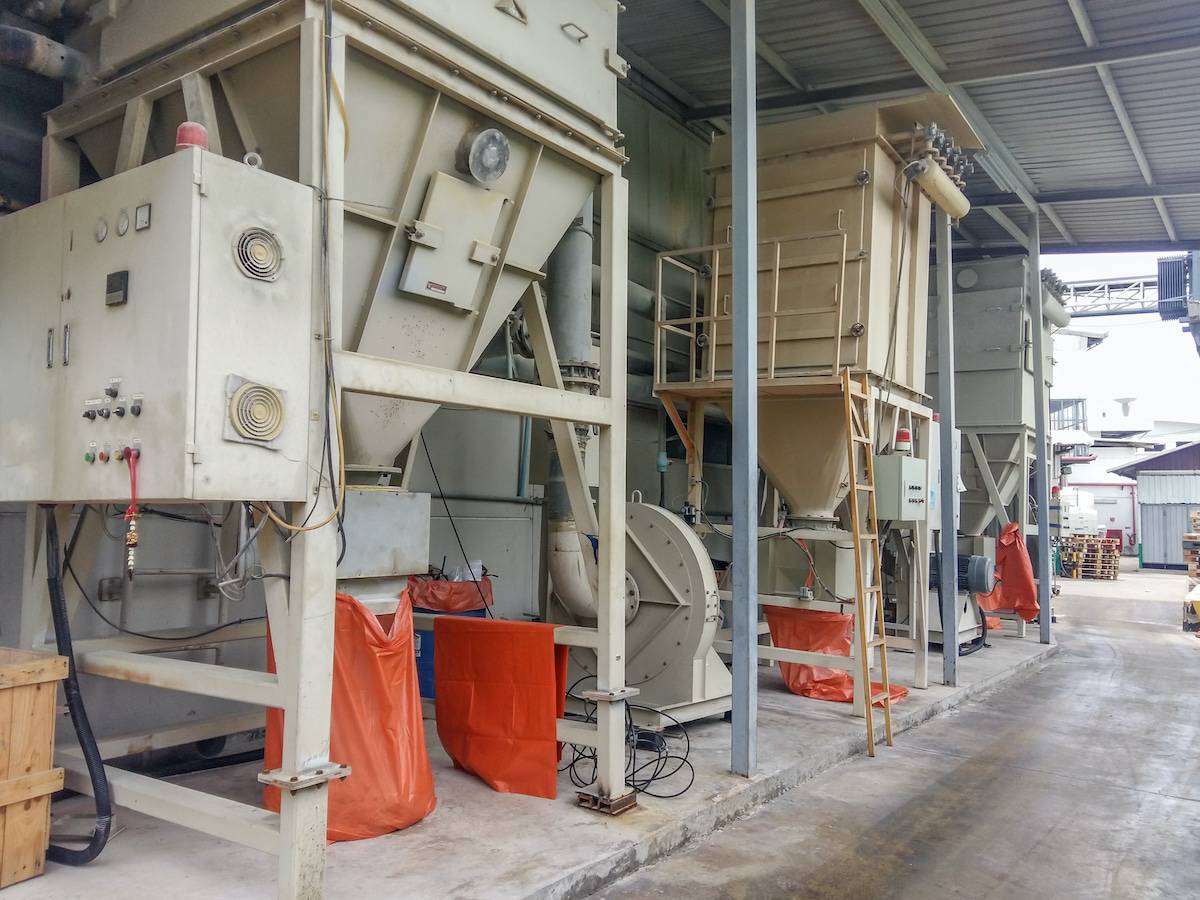
For situations where using water is impractical or restricted, dry dust collection systems make an excellent alternative. These systems use powerful vacuums or air filtration tools to collect and contain dust particles, keeping them from escaping into the surrounding air. Baghouse filters, and cartridge collectors, as well as industrial-grade cyclones are examples of dry dust collection technologies that are capable of handling various kinds of particulates in addition to their concentrations.
Ventilation and Airflow Management
In enclosed industrial spaces, managing airflow as well as providing adequate ventilation is essential for preventing dust accumulation. Well-designed ventilation systems can create negative air pressure zones that draw dust-laden air away from workers alongside direct it toward filtration units. Fans and air curtains can be strategically positioned to help control the movement of airborne particles and prevent them from spreading to sensitive areas, thus maintaining a cleaner workspace.
Containment and Isolation Strategies
Under certain circumstances, it may be best to contain or isolate dusty processes. Dust-generating activities can be separated from other areas of the facility with enclosures, partitions, or special rooms to lower the risk of exposure. Often, these containment methods work in tandem with localized dust collection systems to ensure maximum efficiency and lower the possibility of cross-contamination.
Employee Training and Protective Equipment
Technology solutions are important, but so is making sure that employees have the right tools, and safety equipment, along with training. Regular training sessions that address dust hazards, and control measures, in addition to appropriate equipment usage can significantly increase overall safety as well as compliance. In addition, personal protective equipment (PPE) such as respirators and protective clothes can shield workers from direct exposure to airborne particulates.
Conclusion
In industrial settings, efficient dust control is a need, not a luxury. Businesses in a variety of industries can create a work environment that is safer, as well as more productive, as well as compliant with regulations by putting into place a comprehensive strategy that includes wet suppression, dry collection, and ventilation, as well as containment, in addition to employee training measures.