

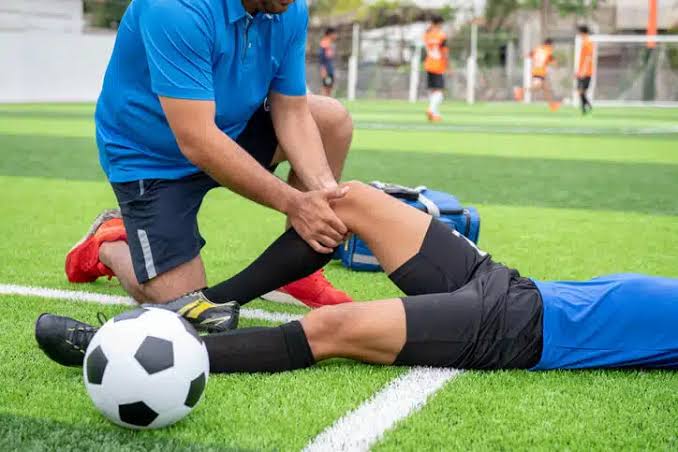
In the realm of sports, the pursuit of excellence often walks hand in hand with the risk of injury. Whether you’re a seasoned athlete or just starting your fitness journey, understanding and mitigating the risk of common sports injuries is essential for staying in the game. In this comprehensive guide, we’ll delve into the world of injury prevention, equipping you with the knowledge and strategies to keep you performing at your peak. From identifying risk factors to implementing targeted prevention techniques, let’s embark on a journey to safeguard your athletic prowess and keep injuries at bay.
I. Common Sports Injuries
Introduction to Common Sports Injuries:
Sports injuries come in various forms, from minor sprains to debilitating fractures, each capable of sidelining even the most dedicated athletes. Understanding the nature and prevalence of these injuries is crucial for proactive injury prevention. While the specific injuries may vary across sports and activities, certain types are more prevalent and warrant closer attention.
Overview of Different Types of Injuries:
Among the plethora of sports surge injuries, sprains, strains, and fractures reign supreme. Sprains occur when ligaments are stretched or torn, while strains affect muscles or tendons. Fractures, on the other hand, involve breaks or cracks in bones. Each type of injury poses unique challenges and requires tailored prevention strategies.
Explanation of How Sports Injuries Occur:
Sports injuries can stem from various causes, including overuse, trauma, and poor technique. Overuse injuries develop gradually over time due to repetitive stress on specific tissues, while traumatic injuries result from sudden impacts or accidents. Additionally, improper form or technique increases the risk of injury by placing excessive strain on vulnerable areas of the body.
Importance of Injury Awareness and Prevention:
The adage “prevention is better than cure” rings especially true in the realm of sports injuries. By fostering a culture of injury awareness and prevention, athletes can minimize the likelihood of setbacks and maximize their longevity in their respective sports. Proactive measures not only enhance performance but also promote overall well-being and athletic longevity.
II. Identifying Risk Factors
Discussion on Individual Risk Factors:
Understanding individual risk factors is paramount for personalized injury prevention strategies. Factors such as age, fitness level, and previous injuries can significantly influence susceptibility to sports-related injuries. Older athletes may face challenges related to decreased flexibility and muscle strength, while younger athletes may be more prone to overuse injuries due to intense training regimens.
Environmental Factors Contributing to Injuries:
Environmental conditions play a pivotal role in injury occurrence, with factors such as playing surface and weather conditions impacting injury risk. Hard surfaces increase the risk of impact-related injuries, while slippery or uneven terrain can lead to slips and falls. Additionally, extreme weather conditions, such as excessive heat or cold, can impair physical performance and predispose athletes to injury.
Behavioral Factors:
Behavioral choices and habits can either mitigate or exacerbate the risk of sports injuries. Failing to warm up properly before physical activity or neglecting to use proper equipment increases the likelihood of injury. Conversely, adopting preventive measures such as dynamic stretching and wearing protective gear can help reduce the risk of injury and enhance athletic performance.
Recognizing Warning Signs and Signals:
Early detection of warning signs and signals of potential injury is essential for timely intervention and prevention. Persistent pain, swelling, and decreased range of motion are indicative of underlying issues that warrant attention. For athletes experiencing hand or wrist injuries, consulting with a specialized surgeon is crucial. If you’re in Singapore and in need of expert care, consider visiting a hand surgeon in Singapore. Access to specialized care ensures proper diagnosis and treatment, helping athletes return to their sport safely and effectively.
III. Common Sports Injuries: Prevention Strategies
Warm-up and Cool-down Routines:
Effective warm-up and cool-down routines serve as the foundation for injury prevention and optimal performance. Dynamic stretching exercises, such as leg swings and arm circles, help increase blood flow to muscles and improve flexibility. Incorporating mobility drills and foam rolling techniques can alleviate muscle tension and enhance joint mobility, reducing the risk of strains and sprains.
Proper Technique and Form:
Mastering proper technique and form is paramount for injury prevention and athletic success. Seeking guidance from qualified coaches and instructors can help athletes refine their movements and minimize biomechanical imbalances. Video analysis tools provide valuable feedback on form and technique, allowing athletes to identify and address potential issues before they escalate into injuries.
Strength and Conditioning:
A well-rounded strength and conditioning program is essential for fortifying the body against sports-related injuries. Targeted exercises that focus on strengthening muscles and stabilizing joints help improve resilience and durability. Incorporating functional movements and plyometric exercises enhances muscular power and agility, reducing the risk of injury during dynamic athletic activities.
Injury-Specific Prevention Measures:
Understanding the specific mechanisms and risk factors associated with common sports injuries is crucial for targeted prevention efforts. Strategies such as proprioceptive training and balance exercises can help reduce the risk of ankle sprains, while proper landing techniques mitigate the likelihood of knee injuries. Additionally, wearing supportive footwear and utilizing protective equipment provides an added layer of defense against traumatic injuries.
IV. Recovery and Rehabilitation
Understanding the Importance of Rest and Recovery:
Rest and recovery are integral components of the training process, facilitating adaptation and regeneration. Overtraining and inadequate rest can lead to fatigue and compromised immune function, increasing susceptibility to injuries. Incorporating rest days into training schedules and prioritizing quality sleep are essential for optimizing recovery and minimizing the risk of overuse injuries.
Injury Management and Treatment:
In the event of injury, prompt and appropriate management is critical for facilitating healing and minimizing long-term repercussions. The R.I.C.E. protocol (Rest, Ice, Compression, Elevation) is a widely recognized approach for acute injury management, helping reduce inflammation and alleviate pain. Seeking professional medical evaluation and treatment ensures proper diagnosis and tailored rehabilitation strategies for optimal recovery.
Rehabilitation Exercises and Therapy:
Rehabilitation exercises and therapy play a pivotal role in restoring function and mobility following injury. Gradual progression through rehabilitation protocols helps rebuild strength and coordination while minimizing the risk of re-injury. Physical therapy modalities such as manual therapy, therapeutic exercises, and modalities like ultrasound and electrical stimulation accelerate the healing process and promote functional recovery.
Mental Resilience and Coping Strategies:
Navigating the physical and emotional challenges of injury requires resilience and adaptability. Embracing a positive mindset and focusing on the rehabilitation process as an opportunity for growth can help athletes overcome setbacks and emerge stronger. Engaging in mindfulness practices, such as meditation and visualization, fosters mental resilience and enhances coping mechanisms during the recovery journey.
V. Long-Term Injury Prevention and Maintenance
Injury Tracking and Monitoring:
Maintaining a comprehensive record of injuries and related symptoms enables athletes to track patterns and identify recurring issues. Keeping a training diary allows for reflection on training load, intensity, and recovery practices, empowering athletes to make informed adjustments to their training regimen. Regular health check-ups Rub MD and assessments provide valuable insights into overall health and well-being, facilitating early intervention and preventive measures.
Lifestyle Factors Influencing Injury Risk:
Lifestyle choices and habits have a profound impact on injury risk and athletic performance. Proper nutrition and hydration support optimal recovery and tissue repair, while inadequate dietary practices can impair immune function and delay healing. Prioritizing quality sleep and stress management techniques is essential for maintaining hormonal balance and mental well-being, mitigating the risk of injuries associated with fatigue and burnout.
Continual Education and Adaptation:
Staying informed and adaptive is key to long-term injury prevention and athletic success. Keeping abreast of the latest research and advancements in sports medicine empowers athletes to make evidence-based decisions regarding training and injury prevention strategies. Flexibility and adaptability in training plans allow athletes to respond to feedback and adjust accordingly, minimizing the risk of overuse injuries and optimizing performance outcomes. Seeking ongoing guidance and support from coaches, trainers, and write for us healthcare professionals ensures a collaborative approach to injury prevention and maintenance, fostering a sustainable and resilient athletic journey.
Conclusion:
Injuries are an inevitable aspect of the athletic journey, but they need not be a roadblock to success. By arming yourself with knowledge and implementing proactive prevention strategies, you can minimize the risk of injuries and maximize your potential for athletic excellence. Remember, injury prevention is a journey, not a destination. Stay vigilant, stay resilient, and stay in the game. Your body will thank you for it.