

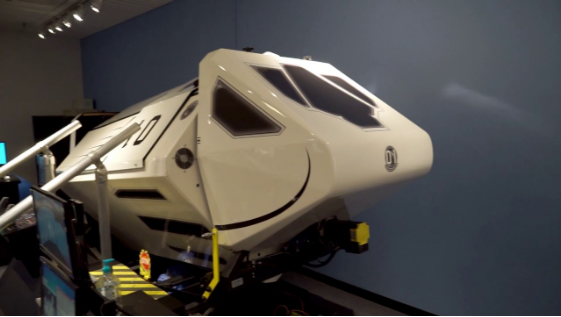
The entertainment industry is rapidly evolving, and virtual reality (VR) has become one of the most powerful drivers of this transformation. Theme parks and entertainment centers are increasingly adopting commercial VR arcade systems to attract visitors, extend dwell time, and create unforgettable immersive experiences. From motion simulators to interactive rides, VR technology offers scalable and profitable solutions for operators looking to stay competitive. In this article, we explore the types, benefits, costs, and future potential of commercial VR arcade systems, with special attention to popular attractions like the 360 flight simulator and considerations such as vr chair 360 price.
What Are Commercial VR Arcade Systems?
Commercial VR arcade systems are professional-grade virtual reality setups designed specifically for public venues such as theme parks, family entertainment centers (FECs), shopping malls, and tourist attractions. Unlike consumer VR devices used at home, these systems are built for durability, high throughput, and consistent performance. They often combine VR headsets, motion platforms, haptic feedback, and custom software to deliver immersive experiences that can handle continuous daily use.
These systems are designed to be modular, allowing operators to scale attractions based on available space and budget. Whether it’s a single VR chair or a multi-seat simulator, commercial VR arcade systems are flexible enough to meet diverse operational needs.
Why Theme Parks and Entertainment Centers Are Investing in VR
Theme parks and entertainment centers face constant pressure to innovate. Visitors expect new experiences every time they visit, and traditional rides can be expensive to upgrade or replace. VR offers a cost-effective alternative with faster content refresh cycles and lower space requirements.
By integrating VR arcade systems, venues can:
- Introduce new attractions without major construction
- Appeal to tech-savvy younger audiences
- Increase per-visitor spending through premium VR experiences
- Offer weather-independent attractions indoors
Experiences like a 360 flight simulator allow guests to enjoy thrilling adventures—such as flying jets or exploring space—without the physical constraints of large mechanical rides.
Popular Types of Commercial VR Arcade Systems
There are several categories of VR arcade systems commonly used in theme parks and entertainment centers:
VR Motion Chairs and Simulators
VR motion chairs are compact yet powerful attractions. They synchronize physical movement with virtual visuals, creating realistic sensations of flying, racing, or falling. Many operators evaluate the vr chair 360 price carefully, as these units provide a strong balance between cost, footprint, and revenue potential.
360 Flight Simulator Systems
A 360 flight simulator is one of the most eye-catching VR attractions available. These systems rotate, tilt, and spin in all directions, delivering an intense and realistic flight experience. They are particularly popular in theme parks because of their visual appeal and ability to draw crowds from a distance.
Multiplayer VR Arenas
These systems allow multiple players to interact in the same virtual environment. They are ideal for competitive gaming, team-based missions, and family-friendly attractions. Multiplayer setups encourage group participation and repeat visits.
VR Racing and Sports Simulators
Racing simulators, skiing experiences, and sports-based VR games appeal to a wide demographic. These attractions often feature realistic controls, motion feedback, and leaderboards to enhance replay value.
Key Components of a Commercial VR Arcade System
Understanding the core components helps operators make informed investment decisions:
- VR Headsets: Commercial-grade headsets with high resolution, wide field of view, and replaceable parts.
- Motion Platforms: From basic 3DOF (three degrees of freedom) chairs to advanced 6DOF and 360-degree systems.
- Control Systems: Joysticks, steering wheels, or custom controllers for interactive gameplay.
- Software and Content: Licensed VR games and simulations optimized for commercial use.
- Management Systems: Backend software for ticketing, time control, and performance monitoring.
Each component impacts both the user experience and the total cost of ownership.
Cost Considerations and ROI
Cost is one of the most common questions for operators exploring VR investments. The vr chair 360 price can vary widely depending on motion capabilities, build quality, and included content. Entry-level VR chairs may be suitable for small entertainment centers, while high-end 360-degree simulators are better suited for large theme parks.
When evaluating cost, operators should consider:
- Initial purchase price
- Installation and space requirements
- Maintenance and spare parts
- Content licensing and updates
- Expected daily throughput and ticket pricing
Although premium systems require higher upfront investment, they often deliver faster return on investment due to higher ticket prices and stronger customer appeal.
Space and Installation Requirements
One of the advantages of commercial VR arcade systems is their efficient use of space. A single VR chair can fit into a small footprint, while a 360 flight simulator requires more clearance for rotation and safety barriers. Planning the layout carefully ensures smooth guest flow and maximizes revenue per square meter.
Electrical requirements, ventilation, and sound management are also important. Professional suppliers typically provide installation guidelines to ensure safe and optimal operation.
Safety and Maintenance in Public Venues
Safety is critical in theme parks and entertainment centers. Commercial VR systems are designed with multiple safety features, including harnesses, emergency stop buttons, and motion limits. Clear operating procedures and staff training are essential to minimize risks.
Routine maintenance ensures consistent performance and prolongs equipment lifespan. This includes checking mechanical components, cleaning headsets, updating software, and calibrating motion systems. Reliable maintenance routines protect your investment and maintain a high-quality guest experience.
Marketing Value of VR Arcade Attractions
Beyond direct ticket sales, VR arcade systems serve as powerful marketing tools. Visually striking attractions like a 360 flight simulator naturally attract attention and encourage social media sharing. Videos of guests enjoying VR rides can be used in online promotions, increasing brand visibility and foot traffic.
VR attractions also support themed events, seasonal promotions, and corporate bookings. Their flexibility makes them valuable assets for long-term marketing strategies.
Future Trends in Commercial VR Arcade Systems
The future of VR in theme parks and entertainment centers looks promising. Advancements in graphics, motion technology, and artificial intelligence will make VR experiences even more immersive. Wireless systems, lighter headsets, and more realistic motion platforms are already entering the market.
As hardware costs gradually decrease, including competitive vr chair 360 price options, VR attractions will become accessible to a wider range of operators. This continued innovation ensures that VR arcade systems remain relevant and profitable for years to come.
Conclusion
Commercial VR arcade systems have become essential attractions for modern theme parks and entertainment centers. They offer immersive experiences, flexible installation, and strong revenue potential. Whether investing in a compact VR chair or a high-impact 360 flight simulator, operators can tailor solutions to their space, budget, and audience. By carefully evaluating equipment options, understanding costs such as vr chair 360 price, and focusing on safety and content quality, entertainment venues can successfully leverage VR technology to stand out in a competitive market and deliver unforgettable experiences to their guests.