

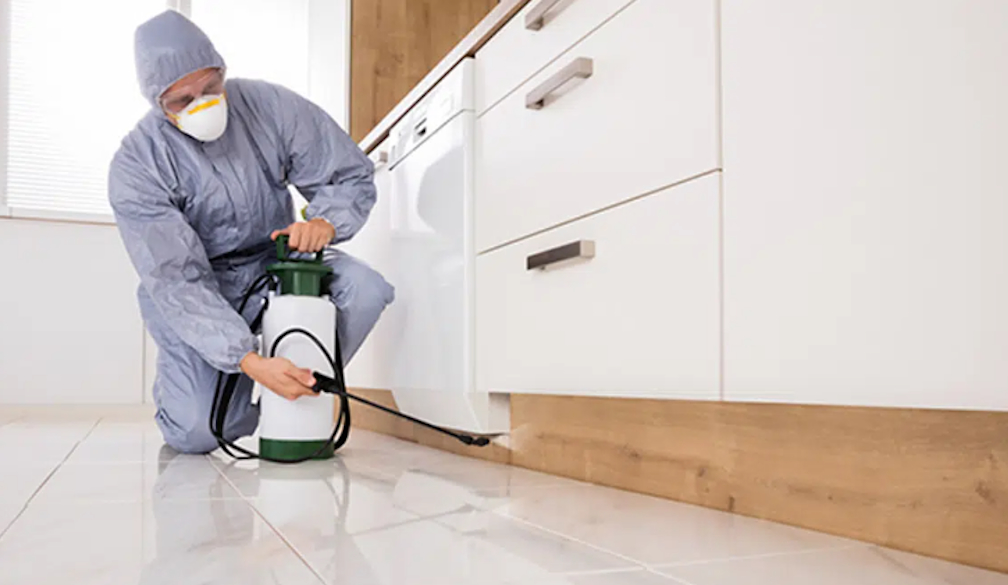
Pests are an unavoidable reality in both residential and commercial environments. Whether it’s ants marching across your kitchen counter, rodents nesting in your attic, or termites silently eating away at your foundation, pests can cause serious structural damage, health hazards, and financial losses. For these reasons, pest control is not just about eliminating bugs—it’s a critical component of property maintenance and public health.
In this article, we’ll explore the fundamentals of pest control in Menifee, including the types of pests that commonly affect buildings, the risks they pose, modern methods for managing infestations, and the benefits of implementing an integrated pest management strategy. Whether you’re a homeowner or a business operator, understanding how to prevent and control pest activity is essential for protecting your investment and well-being.
The Impact of Pest Infestations
Pests can range from merely annoying to dangerously destructive. While some species are simply a nuisance, others can pose serious threats to human health and safety. Below is a look at some common pests and their potential impacts:
1. Rodents (Rats and Mice)
Rodents can chew through insulation, wires, and structural components, increasing the risk of fire and electrical failure. Additionally, they are known carriers of diseases such as leptospirosis, hantavirus, and salmonella.
2. Insects (Ants, Cockroaches, Flies)
These pests can contaminate food supplies and trigger allergies or asthma. Cockroaches, in particular, are known for carrying bacteria that cause gastroenteritis and other infections.
3. Termites
Silent and highly destructive, termites can compromise the integrity of wooden structures, often without detection until serious damage has occurred.
4. Bed Bugs
While not known to transmit diseases, bed bugs are incredibly difficult to eliminate and can cause psychological distress, skin irritation, and property damage.
5. Mosquitoes and Ticks
These biting insects are vectors for diseases such as Lyme disease, malaria, dengue, and West Nile virus, making their control essential in outdoor and indoor environments.
Why Pest Control Is Necessary
The need for effective pest control is not just about comfort—it’s about safety, hygiene, and protecting assets. Here’s why it’s so important:
- Health Protection: Many pests are carriers of bacteria, viruses, and parasites.
- Property Preservation: Infestations can result in costly structural repairs.
- Food Safety: In homes, restaurants, and food processing plants, pest contamination can lead to spoilage, foodborne illness, and regulatory violations.
- Legal Compliance: In commercial settings, pest control is often required to meet health and safety standards.
The presence of pests, if left unchecked, can spiral from minor inconvenience to a major infestation, making it essential to act quickly and decisively.
Modern Methods of Pest Control
Advancements in technology and science have revolutionized how pest control is approached today. While chemical pesticides are still used in some cases, modern pest management prioritizes sustainability, precision, and minimal environmental impact.
1. Integrated Pest Management (IPM)
IPM is a holistic approach that combines multiple techniques to manage pest populations effectively and responsibly. It focuses on:
- Inspection and monitoring
- Biological control (using natural predators)
- Habitat modification
- Chemical intervention (used as a last resort)
IPM strategies are designed to be safe for humans and pets, while being highly effective at disrupting the life cycles of pests.
2. Mechanical and Physical Control
These methods include traps, barriers, and manual removal. Examples include:
- Rodent snap traps or glue boards
- Bed bug interceptors
- Sealing entry points with caulk or mesh
These solutions are especially useful in settings where pesticide use is restricted or undesirable.
3. Chemical Control
When necessary, chemical agents are applied in a targeted manner to reduce pest populations. These include:
- Insecticides
- Rodenticides
- Fungicides
- Baits and gels
Pesticides should always be applied by trained professionals following manufacturer instructions and legal guidelines.
4. Biological Control
This method introduces natural predators or pathogens to reduce pest populations. For example:
- Ladybugs to control aphids
- Nematodes to control soil-dwelling larvae
- Bacterial treatments for mosquito control
Biological control is sustainable, non-toxic, and often used in agriculture and landscaping.
5. Electronic and Ultrasonic Devices
While their effectiveness varies, these tools claim to repel pests through high-frequency sound waves or electromagnetic fields. They are often marketed as low-maintenance alternatives to conventional pest control methods.
Steps in a Professional Pest Control Service
When you hire a professional service, you can expect a structured approach to identifying and resolving pest issues. The process typically involves:
1. Initial Inspection
A technician assesses the property to identify signs of pest activity, entry points, and nesting areas. This step is crucial for determining the scope of the problem.
2. Customized Treatment Plan
Based on the findings, a tailored strategy is developed. This may include baiting, spraying, sealing, or other techniques suited to the type of infestation.
3. Treatment Implementation
The pest control technician applies the chosen methods, ensuring that safety precautions are followed and that residents or employees are informed about any restrictions or cleanup.
4. Monitoring and Follow-Up
Effective pest control often requires follow-up visits to monitor progress and adjust strategies as needed. This is especially important for pests with longer life cycles, like termites or bed bugs.
Preventive Measures You Can Take
While professional pest control is invaluable for serious infestations, prevention is the first line of defense. Here are some proactive steps you can take:
- Seal Entry Points: Repair cracks, install door sweeps, and screen vents.
- Eliminate Food Sources: Store food in sealed containers and clean up spills immediately.
- Control Moisture: Fix leaks, use dehumidifiers, and ensure proper drainage.
- Declutter: Remove unused items that can provide hiding places for pests.
- Maintain Landscaping: Trim overgrown bushes and trees, and keep mulch away from foundations.
Combining these practices with regular professional inspections will create an environment that is less inviting to pests.
Pest Control in Commercial Settings
For businesses—especially those in the food, hospitality, and healthcare industries—pest control is not optional. A single sighting of pests can lead to:
- Health code violations
- Negative customer reviews
- Product recalls
- Legal liability
Commercial pest control services often operate under service agreements that include scheduled inspections, treatment plans, and compliance reporting. These are essential not just for pest management but also for demonstrating due diligence in regulatory inspections.
Eco-Friendly Pest Management
Sustainability is increasingly important in pest control. Eco-conscious approaches seek to minimize harm to non-target species and ecosystems. Examples include:
- Use of non-toxic baits and traps
- Targeted spraying rather than widespread application
- Adoption of biological controls
- Regular monitoring to reduce overuse of chemicals
Green pest control solutions are particularly important in homes with children, pets, or individuals with respiratory issues.
Cost Considerations
The cost of pest control services can vary widely based on several factors:
- Type of pest: Bed bugs and termites usually cost more to eliminate.
- Extent of infestation: Larger or more entrenched problems require more time and resources.
- Property size: Larger properties take longer to inspect and treat.
- Frequency of service: One-time treatments cost less than ongoing contracts but may not be as effective in the long term.
Investing in preventative pest control is generally more cost-effective than addressing major infestations after they occur.
Choosing a Reputable Service Provider
Not all pest control services are created equal. When choosing a provider, consider the following:
- Licensing and certification
- Customer reviews and testimonials
- Range of services offered
- Use of modern, eco-friendly practices
- Guarantees or warranties on work performed
Request a detailed quote and inspection before agreeing to any treatment plan, and ask questions about the methods and chemicals to be used.
Conclusion
Pests may be a fact of life, but they don’t have to be a problem. Through a combination of prevention, early detection, and professional intervention, you can keep your property pest-free, healthy, and safe. Pest control is more than a one-time fix—it’s an ongoing commitment to maintaining a clean and secure environment for everyone who lives or works in your space.
Whether you’re dealing with a minor annoyance or a full-blown infestation, timely action and the right expertise can make all the difference. With modern tools, smarter strategies, and a growing emphasis on sustainability, today’s pest control solutions are more effective and responsible than ever.