

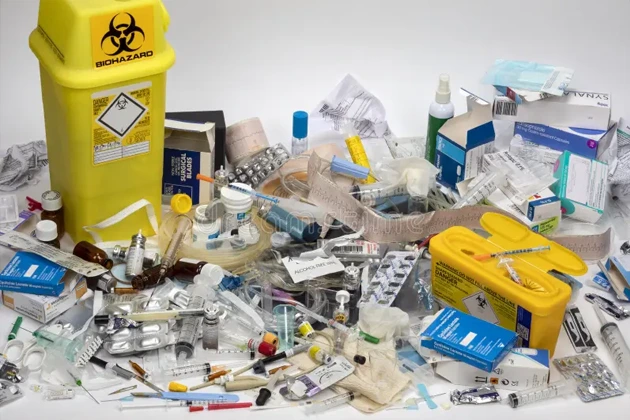
In today’s rapidly advancing healthcare landscape, ensuring safety and hygiene is paramount—not only within hospital walls but also in the communities that surround them. One often overlooked but critically important aspect of public health is medical waste disposal. This process, when conducted responsibly, safeguards human health, protects the environment, and upholds the integrity of healthcare systems.
While many people associate healthcare with saving lives, the byproducts of medical treatment—including used syringes, bandages, pharmaceutical waste, and even body parts—can pose serious threats if not properly managed. With increasing global focus on environmental sustainability and public health, the demand for stringent, reliable medical waste disposal systems has never been greater.
Understanding Medical Waste
Medical waste, often referred to as biomedical or clinical waste, encompasses all waste materials generated at healthcare facilities. These include hospitals, clinics, dental practices, veterinary clinics, laboratories, and even home care settings.
Common types of medical waste include:
- Infectious Waste: Items contaminated with blood or other bodily fluids.
- Pathological Waste: Human tissues, organs, and body parts.
- Sharps: Needles, scalpels, and other items that can cause punctures or cuts.
- Pharmaceutical Waste: Expired or unused medications and vaccines.
- Chemical Waste: Disinfectants, solvents, and heavy metals from medical devices.
- Radioactive Waste: Materials from cancer therapies and medical equipment.
Each type of waste requires specialized handling, storage, treatment, and disposal processes to minimize health risks.
The Health Risks of Improper Disposal
Failure to follow proper medical waste disposal Greater Los Angeles protocols can have dire consequences. Infectious materials can spread disease among healthcare workers, waste handlers, and the general public. Pathogens such as HIV, Hepatitis B and C, and various bacteria and viruses can thrive in improperly discarded waste, especially sharps.
Beyond health risks, mismanaged waste can contaminate water sources, soil, and air. Incinerating certain types of medical waste without proper filtration, for example, can release toxic pollutants like dioxins and furans into the atmosphere. These substances are known carcinogens and can cause long-term environmental damage.
The improper disposal of pharmaceutical waste is another growing concern. When drugs are flushed down the drain or tossed into landfills, they can leach into groundwater, affecting aquatic ecosystems and potentially re-entering the human water supply. Hormonal treatments, antibiotics, and painkillers have been detected in drinking water in several studies, raising alarm about cumulative health effects.
Legal and Ethical Obligations
Given the serious risks, most countries have established strict regulations to govern medical waste disposal. These regulations are typically enforced by environmental agencies and health departments, which set guidelines on how to segregate, label, store, transport, and treat various types of medical waste.
Healthcare institutions are legally obligated to comply with these standards. Non-compliance can result in heavy fines, reputational damage, and even criminal charges. Ethically, healthcare providers also carry the responsibility to “do no harm”—a principle that extends beyond patient care to include responsible environmental stewardship.
Modern Methods of Medical Waste Disposal
Thanks to advancements in technology and increasing awareness of environmental issues, several methods of medical waste disposal have been developed to improve safety and reduce ecological impact.
1. Incineration
Incineration remains one of the most commonly used methods for destroying medical waste, especially infectious and pathological types. Modern incinerators are equipped with filters to capture harmful emissions, though concerns about air pollution persist.
2. Autoclaving
This process uses steam sterilization to render waste harmless. It’s particularly effective for sharps and infectious waste. Autoclaved waste can often be disposed of as regular trash afterward.
3. Chemical Disinfection
Chemical treatments involve the application of disinfectants to decontaminate waste, particularly liquid waste. This method is commonly used for treating microbiological waste in laboratories.
4. Microwave Treatment
Microwaves heat and destroy pathogens in waste. This method is eco-friendly and generates fewer emissions than incineration, making it a preferred option for many modern facilities.
5. Land Disposal and Encapsulation
For certain types of waste, like pharmaceuticals or sharps, encapsulation (sealing in containers with cement or resin) followed by burial in sanitary landfills is a common practice. This method reduces the chance of waste seeping into the environment.
Challenges in Implementation
While the importance of proper medical waste disposal is universally acknowledged, several challenges hinder its implementation:
- Cost: Advanced waste treatment technologies and specialized containers can be expensive.
- Training: Healthcare staff must be adequately trained to segregate and handle waste correctly.
- Infrastructure: Many developing regions lack centralized facilities or logistics networks for waste treatment.
- Awareness: Public and institutional understanding of the risks associated with improper disposal is often low.
Addressing these challenges requires coordinated efforts among governments, private industry, NGOs, and healthcare providers.
The Role of Innovation
Innovation is playing a crucial role in transforming how the world approaches medical waste. Startups and established companies alike are developing biodegradable sharps containers, portable autoclaves, and AI-powered tracking systems for waste management.
Some hospitals now implement closed-loop systems that track the entire lifecycle of medical waste—from generation to final disposal—ensuring compliance and reducing human error. Blockchain is also being explored as a tool to verify the proper handling and disposal of waste, adding transparency to the process.
Mobile apps and IoT sensors can alert administrators when waste containers are full or when conditions for waste storage fall outside of safe parameters (e.g., temperature or humidity thresholds). These tools help reduce exposure risks and improve operational efficiency.
Public Engagement and Awareness
Medical waste disposal is not only the responsibility of healthcare providers and regulatory bodies; the public also has a role to play. Awareness campaigns can educate individuals on the proper disposal of personal medical waste such as syringes, unused medications, or homecare products.
Pharmacies, for instance, can serve as collection points for expired drugs. Likewise, proper labeling and safe packaging of medical waste at home can make a significant difference in preventing contamination and injury to waste handlers.
Public pressure can also drive institutional accountability. By demanding transparency and adherence to environmental standards, patients and community members can influence how hospitals and clinics manage their waste.
Toward a Sustainable Future
Sustainability in healthcare must go beyond energy efficiency and green buildings. A comprehensive approach includes ethical sourcing of medical supplies, reducing single-use plastics, and integrating sustainable medical waste disposal systems.
Zero-waste goals, circular economy models, and eco-friendly innovations are beginning to reshape the future of waste management in healthcare. Reusable gowns and instruments, compostable packaging, and even waste-to-energy technologies can play vital roles in this transformation.
Healthcare professionals, policymakers, and technologists must work together to reimagine waste as a resource, not a burden. In doing so, the healthcare industry can protect not just current generations, but those yet to come.
Conclusion
Medical waste disposal is far more than an operational necessity—it is a moral, legal, and environmental imperative. With rising volumes of healthcare waste and increasing public scrutiny, the call for more effective, sustainable, and safe disposal methods is louder than ever.
Investing in training, technology, and infrastructure is critical. Equally important is fostering a culture of responsibility, where every stakeholder—from hospital administrators to individual citizens—recognizes their role in ensuring safe and sustainable waste practices.
By prioritizing medical waste disposal today, we lay the foundation for a healthier, cleaner tomorrow.