

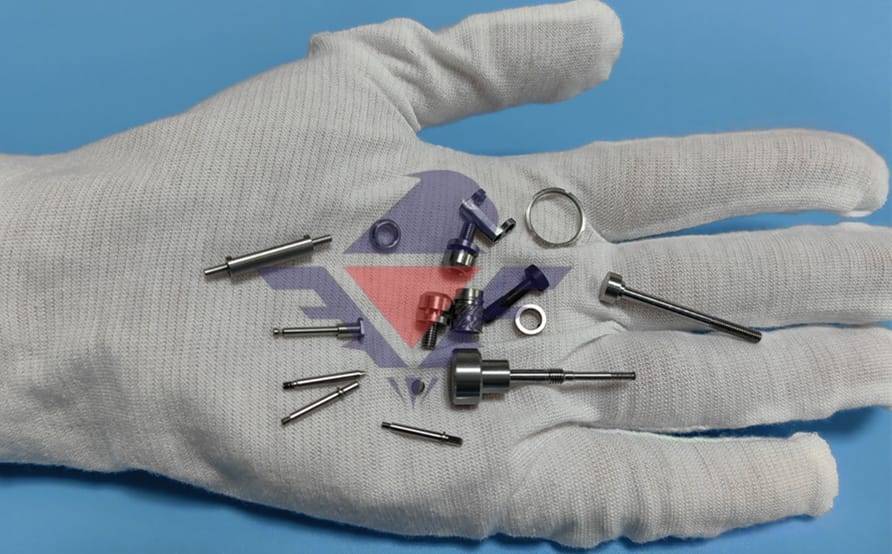
In the world of advanced manufacturing, where the demand for high precision and tight tolerances is non-negotiable, Swiss CNC machining has emerged as a gold standard for producing intricate parts. Leveraging cutting-edge technology and engineering excellence, a reliable Swiss machining company can produce components that meet the most exacting standards across industries like aerospace, medical, electronics, automotive, and defense.
This article explores the fundamentals of Swiss machining, the advantages it offers in precision manufacturing, the types of industries it serves, and how choosing the right Swiss machining company can significantly impact your production goals.
What Is Swiss CNC Machining?
Swiss CNC machining—also known as Swiss-type turning—is a specialized form of precision manufacturing where the workpiece is held in a sliding headstock and fed through a guide bushing, allowing extremely precise and complex machining operations. This process is ideal for producing small, slender, and intricate parts that require high tolerances and fine finishes.
Unlike traditional lathes, Swiss CNC machines allow multiple axes of movement and can perform simultaneous turning, milling, drilling, and threading operations in one cycle, significantly increasing efficiency and accuracy.
The Evolution of Swiss Machining
Swiss machining originated in Switzerland during the late 19th century to manufacture small, high-precision watch components. Today, modern Swiss CNC machines are computer-controlled (CNC) and equipped with advanced features such as live tooling, sub-spindles, and multiple axes to handle complex geometries.
These machines are capable of operating around the clock with minimal human supervision, making them ideal for high-volume production and lights-out manufacturing setups.
Key Benefits of Swiss CNC Machining
- Extreme Precision and Tight Tolerances
One of the most significant advantages of Swiss machining is its ability to hold tolerances as tight as ±0.0002 inches. This makes it the go-to solution for industries that demand micron-level accuracy.
- Efficient Production of Small, Complex Parts
Swiss machines are engineered to manufacture small-diameter parts—often less than 1.25 inches in diameter—that are long and slender. They minimize vibration and deflection, which is crucial for maintaining dimensional stability.
- Reduced Cycle Times
Swiss CNC machines can perform multiple operations in a single setup. With tools working simultaneously on different spindles, cycle times are significantly reduced, leading to faster turnaround and lower production costs.
- Improved Surface Finishes
Thanks to their precision and rigidity, Swiss machines deliver superior surface finishes, reducing or eliminating the need for secondary operations like grinding or polishing.
- Unmanned Operation Capabilities
Swiss CNC lathes are often equipped with bar feeders and automatic part catchers, making them ideal for lights-out manufacturing and boosting productivity without increasing labor costs.
Applications of Swiss CNC Machining
Due to their high precision and reliability, Swiss machining services are indispensable in several demanding sectors:
– Medical Industry
Swiss machining is widely used to produce surgical instruments, orthopedic screws, dental implants, bone drills, and catheter components, all of which require extreme precision and biocompatible materials.
– Aerospace
Aerospace components like sensor housings, actuators, and precision fasteners must meet strict performance standards. Swiss machining ensures consistent quality and compliance with industry regulations.
– Electronics
Connectors, micro screws, and other miniature electronic parts require Swiss precision to function in compact, high-tech environments.
– Automotive
Fuel injector components, ABS system parts, and electric motor shafts are commonly produced using Swiss machining for their durability and performance under stress.
– Defense and Firearms
From firearm pins to optical system parts, the defense industry benefits from the tight tolerances and high-repeatability Swiss machining offers.
Choosing the Right Swiss Machining Company
Partnering with an experienced and technologically advanced Swiss machining company can be the difference between project success and costly delays. Here’s what to consider when selecting a provider:
- Experience and Reputation
Choose a company with a proven track record in delivering high-precision parts across your industry. Look for client testimonials, certifications, and years of operation.
- Technological Capabilities
Ensure the company uses state-of-the-art Swiss CNC machines from trusted brands like Citizen, Tsugami, or Star. The more advanced their equipment, the more complex parts they can manufacture with ease.
- Engineering Support
A great Swiss machining company will provide design for manufacturability (DFM) input, prototype development, and material selection support to streamline your production.
- Quality Control Standards
ISO 9001 or AS9100 certifications are a good indication that a company adheres to strict quality control protocols. Make sure they use CMMs (Coordinate Measuring Machines) and statistical process control to verify part consistency.
- Scalability and Turnaround
Choose a company that can scale with your project—from low-volume prototyping to high-volume production—while maintaining lead times and budget efficiency.
Customization and Material Options
Swiss machining isn’t limited to one type of material. A capable provider should offer machining services across a range of materials including:
- Stainless steel
- Titanium
- Aluminum
- Brass
- Copper
- Plastics (PEEK, Delrin, etc.)
They should also offer secondary services like heat treating, plating, passivation, laser marking, and assembly to provide a one-stop manufacturing solution.
Sustainability and Swiss Machining
Modern Swiss machining companies are also taking steps toward sustainability. By implementing coolant recycling systems, optimizing material usage, and employing energy-efficient equipment, these companies reduce waste while delivering high-precision parts. Some even offer material traceability and conflict-free sourcing—an essential factor in industries like aerospace and medical.
Future Trends in Swiss CNC Machining
The future of Swiss CNC services is closely tied to advancements in automation, AI-driven process optimization, and Industry 4.0 integration. Smart Swiss machines are increasingly equipped with sensors and analytics to predict maintenance needs, reduce downtime, and optimize production flow.
In the coming years, expect Swiss machining to continue evolving—supporting even smaller, more intricate parts for miniaturized technology, wearable devices, and next-gen medical implants.
Conclusion
When your application demands uncompromising accuracy, repeatability, and efficiency, Swiss CNC machining is the clear choice. By partnering with a trusted Swiss machining company, you gain access to advanced manufacturing technology, expert engineering support, and high-performance results that elevate your product’s reliability and quality.
Whether you’re in aerospace, medical, electronics, or automotive manufacturing, investing in professional Swiss machining services ensures that your components meet the highest standards—consistently and cost-effectively.
For complex parts, tight tolerances, and large production runs, there’s no better solution than comprehensive Swiss CNC services.