Post Views: 921
Table of Contents
1. Introduction
2. The Importance of Promotional Apparel
3. Choosing the Right Apparel for Your Brand
4. Popular Types of Promotional Apparel
5. Designing for Impact: Key Considerations
6. The Psychology Behind Wearing Branded Apparel
7. Case Studies: Success Stories in Promotional Apparel
8. Sustainability in Promotional Apparel
9. Tips for Effective Distribution Strategies
10. Conclusion: Building Lasting Customer Relationships
Introduction
In today’s competitive marketplace, businesses are constantly searching for innovative ways to connect with their customers and cultivate brand loyalty. One effective and often overlooked strategy is the use of promotional apparel. When done right, promotional clothing not only serves as a walking advertisement but also makes customers feel valued and part of a community. This blog post will delve into the art of selecting, designing, and distributing promotional apparel that resonates with your audience and fosters a sense of belonging.
The Importance of Promotional Apparel
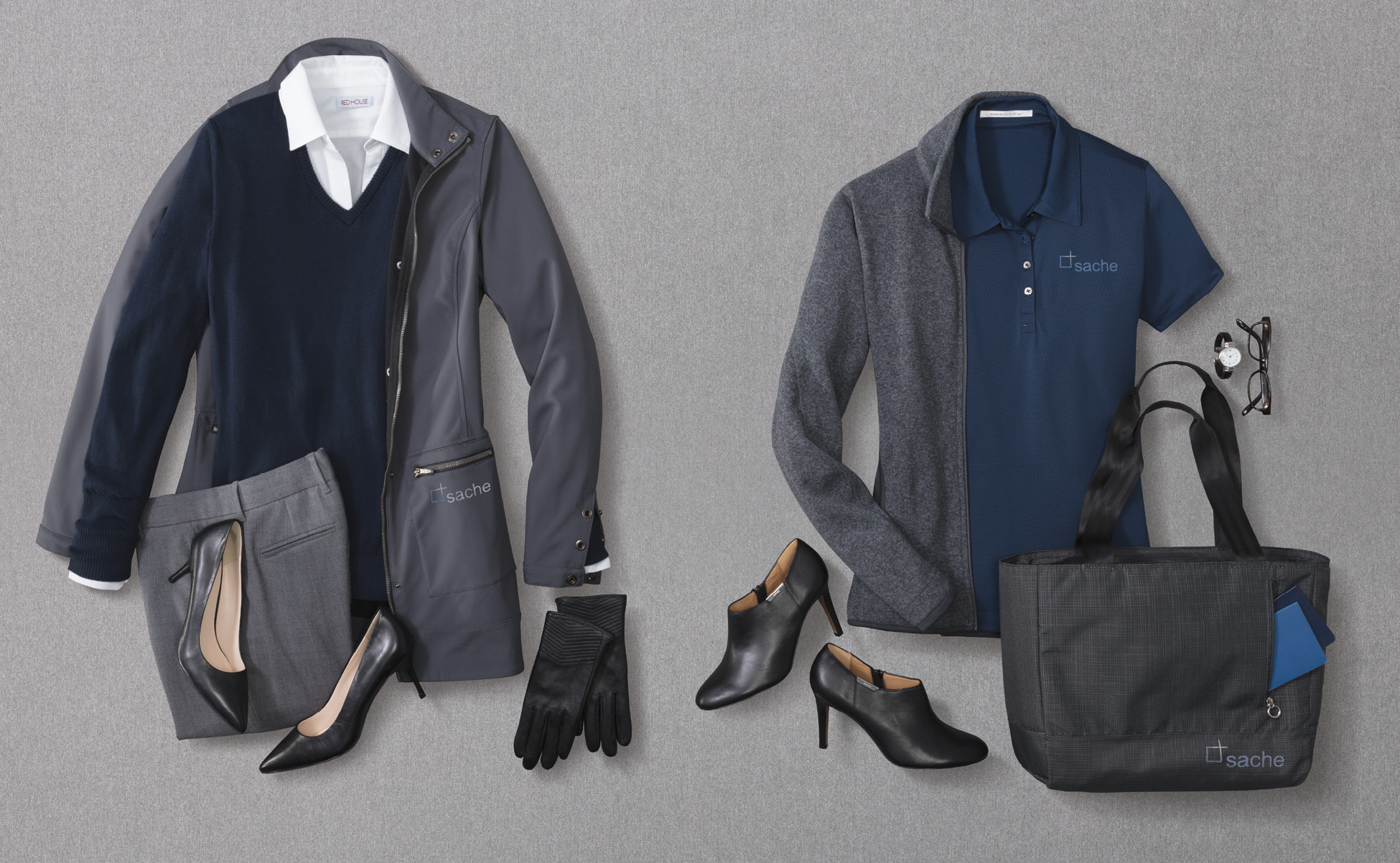
Promotional apparel serves multiple purposes that can significantly enhance your marketing efforts:
– Brand Visibility: Wearing
branded hoodies for example increases exposure as customers wear your apparel in various settings, acting as mobile advertisements.
– Customer Loyalty: High-quality apparel makes customers feel appreciated and can encourage repeat business.
– Community Building: Providing apparel can foster a sense of belonging among customers, making them feel like part of a larger group or movement.
Statistics indicate that 79% of people can recall the branding on a shirt they received in the past two years, emphasizing the long-lasting impression promotional apparel can make.
Choosing the Right Apparel for Your Brand
Selecting the appropriate type of apparel is crucial to ensuring that your promotional items align with your brand identity and values. Here are some key considerations:
Target Audience Analysis
Understanding your target audience is essential. Factors such as age, lifestyle, and preferences will guide you in choosing styles that resonate with them.
Quality over Quantity
Investing in high-quality materials will ensure that your apparel stands the test of time, both in terms of durability and style. Customers are more likely to wear clothing that feels good and looks good.
Brand Alignment
The chosen apparel should align with your brand’s core values and messaging. For example, if you’re an eco-friendly company, consider using sustainable fabrics.
Popular Types of Promotional Apparel
There are various types of promotional apparel that businesses use effectively. These include:
– T-shirts: A classic choice that offers versatility.
– Hoodies: Perfect for colder weather and casual environments.
– Caps: Great for outdoor events and casual outings.
– Jackets: Ideal for corporate giveaways or team-building events.
– Activewear: Appeals to fitness enthusiasts and promotes a healthy lifestyle.
Each type has its benefits, so consider how each aligns with your brand image when making selections.
Designing for Impact: Key Considerations
Design plays a pivotal role in making promotional apparel effective. Here are some important factors to consider:
Color Psychology
Colors evoke emotions and can influence customer perceptions of your brand. For example:
– Blue conveys trustworthiness.
– Green represents growth and sustainability.
– Red evokes excitement.
Select colors that align with your brand messaging while considering their psychological impact.
Logo Placement
Strategic placement of your logo can enhance visibility without compromising aesthetics. Common placements include:
– Center front
– Left chest area
– Back neck area
Consider how these placements will be perceived by customers in various contexts.
Typography Choices
Fonts should be easy to read and align with your brand’s personality. Avoid overly complicated fonts that might detract from your message.
The Psychology Behind Wearing Branded Apparel
Understanding the psychology behind why customers wear branded apparel can help businesses create more effective strategies:
Identity and Self-expression
Wearing branded clothing allows individuals to express their identity or affiliations with certain groups or communities.
Social Proof
When people see others wearing specific brands, it creates social proof, suggesting that those brands are popular or desirable.
Emotional Connection
High-quality promotional apparel fosters an emotional connection between the customer and the brand, making them more likely to engage positively.
Case Studies: Success Stories in Promotional Apparel
Examining real-world applications can provide invaluable insights into best practices in promotional apparel usage:
Example 1: Coca-Cola’s Share a Coke Campaign
Coca-Cola successfully engaged consumers by personalizing their bottles and cans with popular names and phrases, encouraging customers to share photos wearing Coca-Cola-themed apparel on social media. This created a sense of community and increased sales dramatically.
Example 2: Buffer’s Branded Hoodies
Social media management tool Buffer distributed hoodies featuring their logo at events where they spoke or sponsored activities. This not only increased brand visibility but also created a feeling of exclusivity among hoodie-wearers who felt part of a special group.
Sustainability in Promotional Apparel
As consumers become increasingly conscious about environmental issues, incorporating sustainability into promotional apparel can enhance brand reputation:
Eco-Friendly Materials
Utilizing organic cotton, recycled materials, or other sustainable fabrics can appeal to environmentally-conscious consumers.
Ethical Production Practices
Ensure that the manufacturers adhere to fair labor practices which will resonate positively with socially responsible customers.
Communicating Sustainability Efforts
Be transparent about your sustainable initiatives through tags on the apparel or marketing materials explaining your commitment to environmental responsibility.
Tips for Effective Distribution Strategies
Once you’ve created your promotional apparel, thoughtful distribution strategies are crucial for success:
Host Events
Organize events where attendees receive branded merchandise as giveaways. This creates memorable experiences associated with your brand.
Utilize Social Media Contests
Engage customers by offering promotional apparel as prizes for contests on social media platforms—this not only drives engagement but also increases visibility when winners share their prizes online.
Collaborate with Influencers
Partnering with influencers who align with your brand can amplify reach when they showcase wearing your promotional items to their followers.
Building Lasting Customer Relationships
Promotional apparel goes beyond just being an item; it is an opportunity to build lasting relationships with customers through thoughtful engagement strategies:
– Encourage customer feedback on designs.
– Create limited edition lines that make customers feel special.
– Regularly update designs to keep them fresh and relevant.
By investing time in understanding what appeals to your audience, brands can create meaningful connections through promotional apparel that ultimately leads to increased loyalty and advocacy.
In conclusion, leveraging promotional apparel effectively involves understanding not only what appeals visually but also emotionally to your audience. By focusing on quality, design, sustainability, and strategic distribution methods, businesses can create impactful merchandise that resonates deeply with their customers—making them not just wearers but ambassadors for the brand itself.