

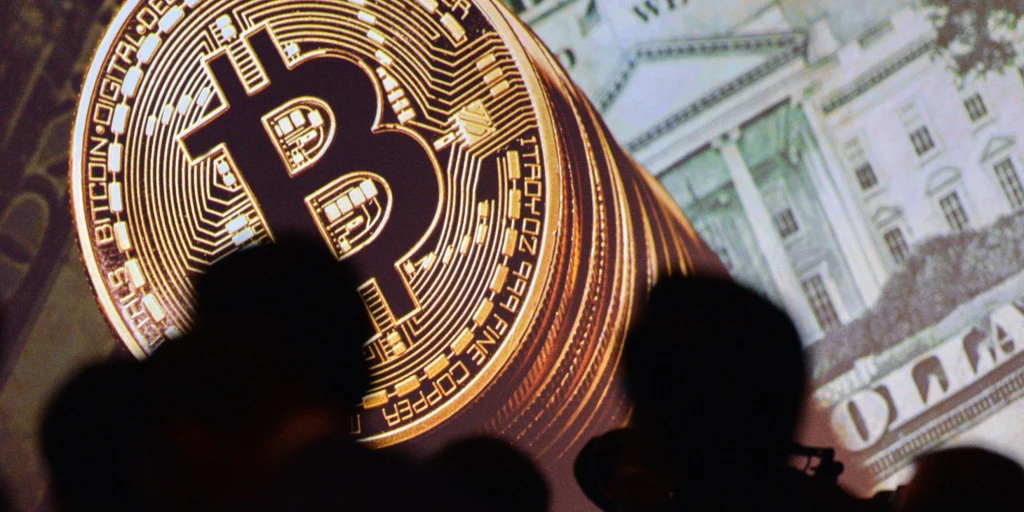
A crypto crash can erase billions in market value within days, leaving investors and companies scrambling for answers. Whether triggered by macroeconomic conditions, exchange failures, or regulatory announcements, sharp declines highlight both financial and legal risks in digital asset markets.
What Causes a Crypto Crash
Crypto crashes often stem from a combination of leverage, panic selling, and negative news. Because cryptocurrency markets operate around the clock, downturns can accelerate rapidly. Social media and instant reporting amplify sentiment, contributing to swift price movements.
In some cases, investigations or enforcement actions add pressure. Regulatory announcements can signal potential restrictions, which may reduce investor confidence. Broader economic forces, including rising interest rates or tightening liquidity, can also push speculative assets downward. When investors shift capital into safer instruments, crypto assets often experience disproportionate declines due to their higher perceived risk.
Liquidity crises can further intensify a crypto crash. If a major exchange halts withdrawals or experiences operational issues, fear can spread quickly across the market. Contagion effects may follow, particularly when firms are interconnected through lending, staking, or decentralized finance protocols.
Legal Risks During Market Downturns
When prices fall dramatically, disputes frequently follow. Investors may allege misrepresentation, inadequate disclosures, or breach of fiduciary duties. Companies may face claims related to platform outages, custody failures, or liquidity shortfalls that prevented timely withdrawals.
A crypto crash can also attract regulatory attention. Authorities may examine whether any market manipulation, misleading statements, or insider trading contributed to volatility. Businesses must be prepared to demonstrate compliance with applicable laws, including securities and commodities regulations, anti money laundering requirements, and consumer protection standards.
In severe downturns, government agencies may open formal investigations into exchanges, token issuers, or fund managers. Responding effectively requires organized documentation, internal audits, and a clear compliance history. Companies that lack structured governance frameworks may struggle to defend their practices under scrutiny.
Strengthening Compliance Frameworks
To mitigate risk, companies should establish robust compliance systems before a crisis occurs. This includes clear user agreements, transparent risk disclosures, internal monitoring procedures, and strong cybersecurity safeguards. Firms dealing with digital assets must understand licensing requirements, reporting obligations, and evolving regulatory expectations at both the federal and state levels.
Proactive compliance is not merely defensive. It can serve as a competitive advantage, especially during periods of market volatility. Investors and institutional partners increasingly favor platforms that demonstrate operational integrity and regulatory awareness.
Consulting a knowledgeable Texas Crypto Lawyer can help businesses evaluate their compliance posture and identify gaps before regulators do. Legal guidance is especially valuable when responding to investor complaints, subpoenas, or regulatory inquiries that often follow a crypto crash.
Investor Protection and Due Diligence
For investors, a crypto crash emphasizes the importance of due diligence. Understanding platform security, custody practices, reserve transparency, and regulatory standing can reduce exposure to avoidable risks. Diversification, liquidity planning, and realistic expectations also play key roles in managing downturns.
High net worth individuals, investment funds, and venture capital firms may benefit from structured legal review before allocating substantial capital to digital asset ventures. Engaging experienced blockchain lawyers may assist investors in structuring investments, negotiating token purchase agreements, and assessing potential remedies when losses occur.
In some cases, investors may pursue arbitration or litigation to recover funds. Understanding contractual rights, jurisdictional issues, and regulatory protections can significantly influence outcomes. Early legal assessment helps investors determine whether viable claims exist and how best to proceed.
Governance, Transparency, and Crisis Response
Another critical lesson from a crypto crash is the importance of corporate governance. Companies operating in the cryptocurrency and blockchain sector should implement independent oversight, maintain accurate financial records, and conduct regular risk assessments. Transparent communication during a crisis can prevent misinformation and reduce reputational harm.
Crisis management plans should outline procedures for communicating with customers, regulators, and the media. Clear escalation protocols, internal investigations, and cooperation with authorities can demonstrate accountability and good faith.
Moving Forward After a Crash
Market downturns are challenging, but they also prompt reforms and stronger safeguards. Companies that respond transparently, enhance compliance programs, and strengthen governance structures often rebuild trust more effectively than those that remain reactive or silent.
A crypto crash serves as a reminder that digital asset markets combine innovation with substantial legal and operational risk. By prioritizing sound legal practices, investing in compliance infrastructure, and seeking experienced counsel when needed, both businesses and investors can better navigate periods of instability and position themselves for long term resilience in an evolving financial landscape.