

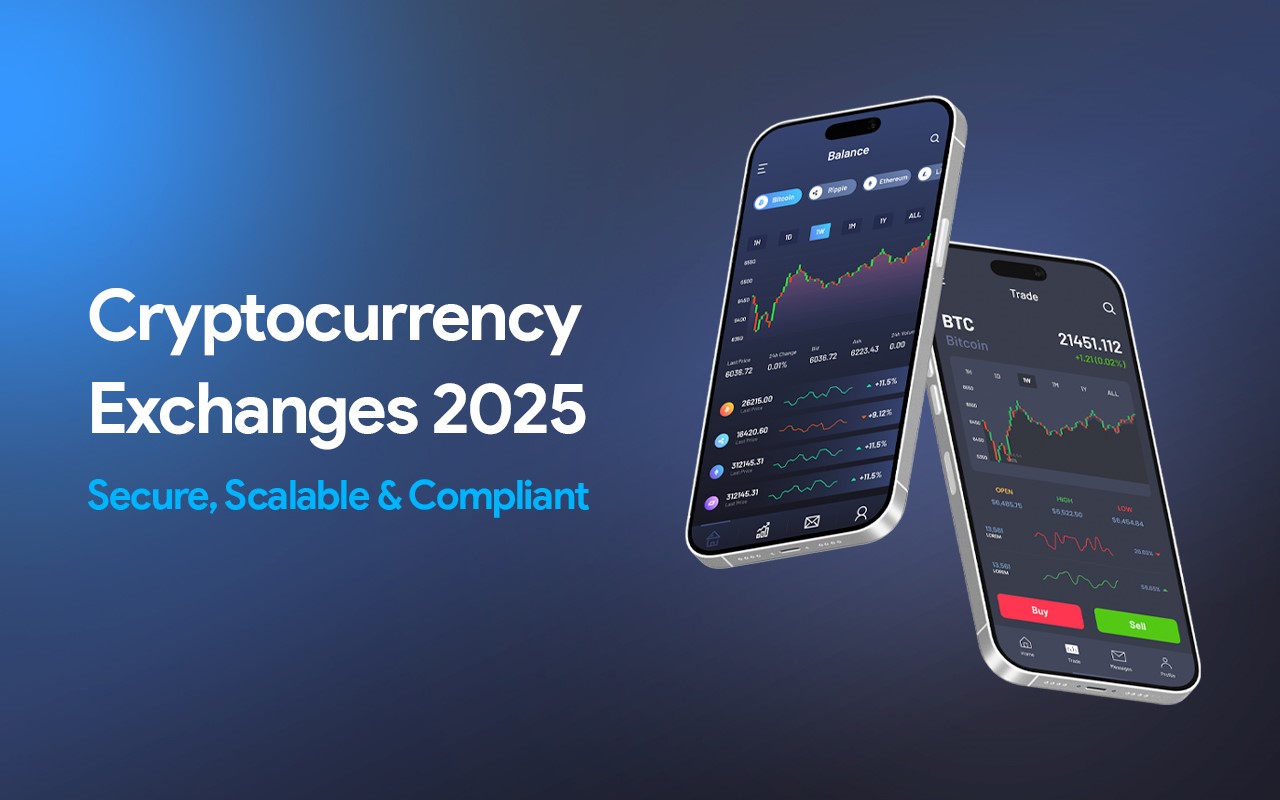
As the cryptocurrency market continues to evolve, the demand for secure, scalable, and regulation-compliant cryptocurrency exchanges is rapidly increasing. In 2025, this evolution is not just about new coins or investment trends; it’s about strengthening the foundations of digital asset trading through next-gen exchange models designed for performance, trust, and compliance.
From White Label Exchanges to AMM DEXs, modern exchange platforms are solving real-world problems like security breaches, liquidity gaps, and regulatory friction. Today, building a successful cryptocurrency exchange means addressing these challenges directly with the right infrastructure, architecture, and user-centric features.
The Urgency for Stronger Exchange Frameworks
Several incidents in recent years involving poor security, operational negligence, and lack of transparency have highlighted the need for exchange platforms built with serious attention to safety, accountability, and compliance. As more users enter the crypto ecosystem, the stakes for reliable trading environments grow higher.
This change has pushed forward a new development mindset where flashy features take a backseat and core functionalities like fraud prevention, real-time monitoring, scalability, and legal compliance come to the front. Now, Cryptocurrency Exchange Development demands a deeper focus on structural integrity and user protection.
Leading Exchange Models Driving the Transformation
Different types of exchanges serve different user needs. Whether it’s real-time liquidity, peer-to-peer transactions, or fully decentralized trading, each model plays a crucial role in today’s crypto economy.
1. White Label Crypto Exchange
A white label crypto exchange development solution provides a ready-made, fully customizable trading platform that includes critical components like wallet integration, KYC/AML systems, liquidity APIs, and more. Nadcab Labs provides white-label solutions built on blockchain architecture that are both agile and enterprise-ready. These platforms allow businesses to enter the market quickly without sacrificing security or compliance.
Why It’s Gaining Popularity:
White Label Exchange is getting more and more popular because it helps launch a platform faster, saving time and resources. It comes with pre-built compliance tools and fraud detection features, which increase trust and security. Plus, it’s super scalable, new features and upgrades can be added easily as your exchange grows. This makes it an ideal solution for businesses that want a quick, secure, and flexible entry into the world of crypto trading.
- Decentralized Exchange (DEX)
Decentralized exchange software development offers users a non-custodial platform for trading, giving them complete control over their funds and eliminating centralized points of failure. These exchanges operate via smart contracts and do not rely on a central authority to match or settle orders.
Key Advantages in 2025:
In 2025, crypto exchanges will offer major advantages like being censorship-resistant and fully transparent, giving users more control. These platforms are ideal for privacy-focused individuals, allowing them to trade without revealing personal info. With global access and no need for third-party involvement, users can interact freely from anywhere. Most importantly, as there’s no custody of user assets, the risk of internal fraud or hacks is greatly reduced, making them a safer and more trusted choice for the future of digital trading.
- P2P Crypto Exchange Platform
In a P2P Crypto Exchange Platform, buyers and sellers trade directly with one another, often using escrow services to ensure trust. This model is especially useful in regions with strict regulations or limited access to centralized services.
Top Features:
Top features of this platform include escrow smart contracts that ensure secure and trustless trading. It’s especially suited for cross-border and OTC transactions, offering users the flexibility to use various payment methods. The platform often charges lower trading fees compared to traditional exchanges, making it more cost-effective. Since there’s no custody of user assets, the risk of internal fraud is significantly reduced, enhancing user confidence and ensuring better safety while trading on decentralized networks.
Cryptocurrency Exchange Platforms Need More Than Just Speed
Modern traders demand more than just quick transactions they look for a secure, transparent and regulation-compliant trading environment. This is why today’s cryptocurrency exchange development focuses on blending advanced technical infrastructure with a strong compliance-first approach. Core components that make this possible include real-time KYC/AML verification systems that instantly authenticate user identities, ensuring a safer ecosystem. Exchanges now implement biometric or two-factor authentication for user access, adding an extra layer of security. Admin controls are managed through role-based permission systems, preventing unauthorized actions internally. Additionally, all transactions are logged on the blockchain, creating a fully traceable and immutable record. These features together build user trust and strengthen the overall integrity of crypto trading platforms in a competitive and fast-evolving space.
Compliance-First Architecture
In 2025, regulation isn’t just a box to tick, it’s a foundational part of your exchange’s long-term survival. Modern exchanges are expected to comply with international standards like FATF, GDPR, and region-specific crypto licensing frameworks.
How Leading Platforms Handle Compliance:
- White Label Exchanges– Integrated KYC, suspicious activity detection, and audit logs
- DEXs– Whitelisted pools, smart contract-level compliance filters
- P2P Platforms– Blockchain-based dispute resolution and verified user identities
- AMM DEXs– Cross-chain data oracles for jurisdictional compliance triggers
Human-Centric Security Approach
Security doesn’t have to come at the cost of user experience. The best crypto exchanges today are proving that it’s possible to keep things simple, clean, and user-friendly while still locking down everything with advanced, military-grade security in the background. To keep users protected without overwhelming them, many platforms, including solutions developed by Nadcab Labs, are now adopting smart practices like sending real-time alerts for every transaction, monitoring wallets to catch anything suspicious early, and even adding geo-fencing to limit access based on location. One of the smartest moves? Managing hot and cold wallets together so your main funds stay safe offline, but you can still trade smoothly whenever you need.