

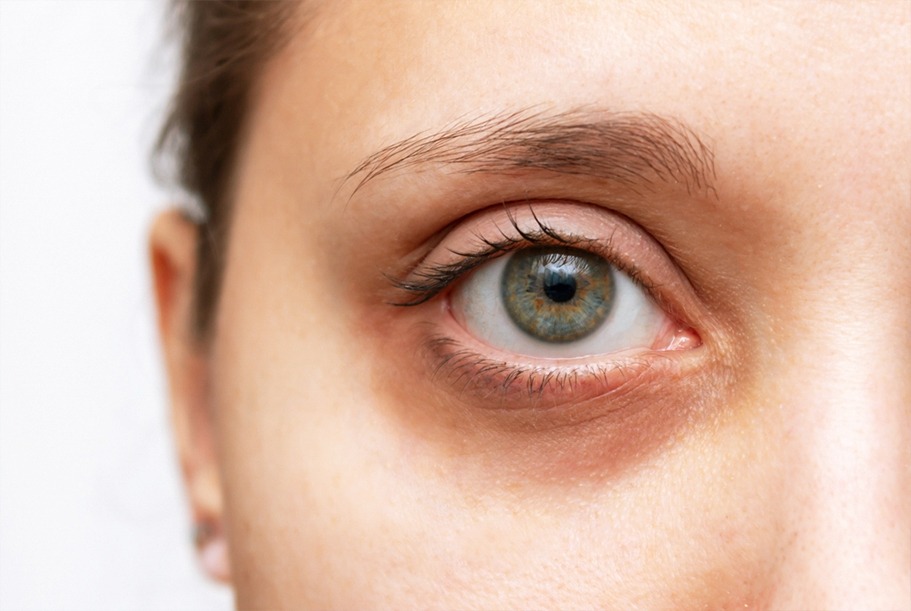
Dark circles under the eyes can make you look tired, older, and less vibrant than you feel. These stubborn shadows affect people of all ages and skin types, often becoming a persistent cosmetic concern that impacts confidence. Whether you’re dealing with genetic dark circles or those caused by lifestyle factors, effective dark circle treatment solutions are available to help you achieve a brighter, more youthful appearance.
The under-eye area is delicate and complex, which means treating dark circles requires understanding their root cause. Different types of dark circles respond to different treatments, and what works for one person might not work for another. That’s why it’s essential to identify whether you’re dealing with pigmentation, vascular issues, or structural concerns before choosing a treatment path.
Key Takeaways
- Dark circles have multiple causes including genetics, lifestyle factors, and aging that require different treatment approaches
- Professional treatments like chemical peels, dermal fillers, and laser therapy offer targeted solutions for specific dark circle types
- Combining professional procedures with proper skincare and lifestyle changes delivers the best long-term results
- Treatment selection should be based on the underlying cause—pigmented, vascular, or structural dark circles
- Consistent sun protection and adequate sleep are essential for maintaining treatment results and preventing recurrence
Understanding Dark Circles: Causes and Contributing Factors
Dark circles aren’t just about lack of sleep, though that certainly doesn’t help. The discoloration and shadows under your eyes result from a combination of factors that work together to create that tired appearance. Understanding what’s causing your dark circles is the first step toward finding an effective treatment.
Genetic Predisposition and Skin Tone
Your genes play a significant role in whether you’ll develop dark circles. If your parents had them, there’s a higher chance you will too. People with darker skin tones are more prone to periorbital hyperpigmentation due to increased melanin production in the under-eye area. Additionally, individuals with naturally thin skin under their eyes will show blood vessels more prominently, creating a bluish or purplish tint.
Some people are born with deeper-set eyes or prominent tear troughs, which cast shadows that appear as dark circles. These structural concerns are entirely genetic and become more noticeable with age as facial fat diminishes.
Lifestyle Factors That Worsen Dark Circles
While genetics set the stage, your daily habits can make dark circles worse. Sleep deprivation causes blood vessels under the eyes to dilate, making the area appear darker. Chronic stress elevates cortisol levels, which can lead to inflammation and worsen discoloration.
Excessive sun exposure triggers melanin production, deepening pigmentation around the eyes. Rubbing your eyes frequently—whether from allergies or habit—causes inflammation and breaks down collagen, making the skin thinner and darker. Dehydration reduces blood volume, making vessels more visible, while excessive alcohol and salt intake cause fluid retention that creates puffiness and accentuates shadows.
Medical Conditions and Aging
Certain health conditions contribute to dark circle formation. Allergies cause histamine release, which dilates blood vessels and leads to swelling and darkening. Anemia reduces oxygen in the blood, giving the under-eye area a bluish appearance. Thyroid disorders and vitamin deficiencies (particularly B12, iron, and vitamin K) can also manifest as dark circles.
As you age, your skin naturally loses collagen and fat, becoming thinner and more translucent. This makes blood vessels and the underlying bone structure more visible. The production of hyaluronic acid decreases, leading to hollowing under the eyes that creates deeper shadows.
Types of Dark Circles and Their Characteristics
Not all dark circles look the same because they don’t all have the same cause. Identifying which type you have will guide you toward the most effective treatment options.
Pigmented Dark Circles
These appear as brown or dark patches under the eyes and result from excess melanin production. They’re most common in people with darker skin tones and those with a genetic predisposition to hyperpigmentation. Sun exposure significantly worsens pigmented dark circles, as UV rays stimulate melanocytes to produce more pigment.
Pigmented dark circles remain visible regardless of lighting conditions and don’t change when you press on the skin. They often extend beyond the under-eye area to the upper eyelids or cheekbones. Treatments that target melanin production, such as chemical peels and topical brightening agents, work best for this type.
Vascular Dark Circles
Vascular dark circles appear blue, purple, or red and result from visible blood vessels beneath the thin under-eye skin. They become more prominent when you’re tired, stressed, or have allergies because blood flow increases. These dark circles often look worse in the morning due to fluid accumulation during sleep.
You can identify vascular dark circles by gently stretching the skin—if the discoloration disappears or lightens significantly, it’s likely vascular. Cold temperatures and caffeine can temporarily improve their appearance by constricting blood vessels. Treatments that strengthen capillaries or camouflage vessels, such as laser therapy and certain topical ingredients, are most effective.
Structural Dark Circles
These aren’t caused by pigmentation or blood vessels but by the physical structure of your face. Deep tear troughs, hollowing under the eyes, or prominent cheekbones create shadows that appear as dark circles. Structural dark circles change dramatically with lighting—they’re more noticeable in overhead lighting and less visible in diffused light.
When you look down or tilt your head, structural dark circles may disappear entirely. They typically worsen with age as facial fat diminishes and skin loses elasticity. Volumizing treatments like dermal fillers that restore lost volume and lift the under-eye area provide the best results for structural concerns.
Professional Dark Circle Treatment Options
While over-the-counter products can help with mild dark circles, professional treatments offer more dramatic and lasting results. Dermatologists and aesthetic practitioners can customize treatment plans based on your specific dark circle type and skin concerns.
Chemical Peels for Hyperpigmentation
Chemical peels use acids to exfoliate the top layers of skin, reducing melanin deposits and stimulating cellular turnover. For dark circles, gentle peels containing glycolic acid, lactic acid, or kojic acid are most commonly used. These treatments gradually lighten pigmented dark circles over a series of sessions.
The procedure involves applying the chemical solution to the under-eye area for a specific duration before neutralizing it. You might experience mild tingling during treatment and some flaking afterward as the skin regenerates. Most people need 4-6 treatments spaced 2-4 weeks apart for optimal results.
Chemical peels work best for pigmented dark circles and offer the added benefit of improving skin texture and fine lines. However, they’re not suitable for vascular or structural dark circles and require strict sun protection during the treatment period to prevent post-inflammatory hyperpigmentation.
Dermal Fillers and Volumizing Treatments
Hyaluronic acid fillers are highly effective for structural dark circles caused by hollowing or tear troughs. These injectable treatments add volume beneath the skin, lifting the under-eye area and reducing shadows. The procedure takes about 15-30 minutes with minimal downtime.
A skilled practitioner carefully injects small amounts of filler into the tear trough area, smoothing the transition between the lower eyelid and cheek. Results are immediate and typically last 9-18 months, depending on the product used and individual metabolism. The treatment can dramatically refresh your appearance by restoring youthful volume.
Dermal fillers require an experienced injector because the under-eye area is delicate and prone to complications if not treated properly. When done correctly, fillers can also improve the appearance of fine lines and create a brighter, more rested look.
Laser Therapy and Light-Based Treatments
Laser treatments target different concerns depending on the technology used. For pigmented dark circles, Q-switched lasers or fractional CO2 lasers break down melanin deposits. For vascular dark circles, pulsed dye lasers or IPL (intense pulsed light) treatments target hemoglobin in blood vessels, reducing their visibility.
These treatments work by delivering controlled energy to specific chromophores in the skin without damaging surrounding tissue. You might need 3-6 sessions spaced several weeks apart for optimal results. Most people experience mild redness and swelling immediately after treatment, which resolves within a few days.
Laser therapy also stimulates collagen production, which thickens the under-eye skin over time and makes vessels less visible. This dual action makes laser treatments particularly effective for aging-related dark circles that involve both thinning skin and increased vessel visibility.
PRP (Platelet-Rich Plasma) Therapy
PRP therapy uses your body’s own growth factors to rejuvenate the under-eye area. A small amount of your blood is drawn, processed to concentrate the platelets, and then injected into the treatment area. The growth factors stimulate collagen production, improve skin thickness, and enhance overall skin quality.
This treatment is particularly beneficial for dark circles related to thin, aging skin and fine lines. Results develop gradually over 2-3 months as collagen remodeling occurs. Most practitioners recommend 2-3 initial treatments spaced 4-6 weeks apart, followed by annual maintenance sessions.
PRP therapy offers natural-looking results without synthetic materials and carries minimal risk of allergic reactions since it uses your own blood. However, it requires patience as improvements appear slowly and subtly compared to more immediate interventions like fillers.
At-Home Remedies and Prevention Strategies
Professional treatments deliver impressive results, but maintaining them requires consistent at-home care. Certain ingredients and lifestyle habits can significantly improve dark circles or prevent them from worsening.
Skincare Ingredients That Work
Look for eye creams containing vitamin C, which inhibits melanin production and brightens pigmentation. Retinol increases cell turnover and collagen production, thickening the skin and reducing visibility of blood vessels. Niacinamide strengthens the skin barrier and reduces inflammation, while caffeine constricts blood vessels temporarily to reduce puffiness and darkness.
Peptides stimulate collagen synthesis for firmer, thicker skin that better conceals underlying structures. Vitamin K helps strengthen capillary walls and reduce vascular dark circles. Hyaluronic acid provides hydration that plumps the under-eye area, diminishing the appearance of fine lines and shadows.
Apply these products consistently using your ring finger to gently pat them into the skin, avoiding pulling or tugging. Always use sunscreen with at least SPF 30 during the day, as sun damage is one of the primary causes of under-eye hyperpigmentation.
Lifestyle Modifications for Better Results
Getting 7-9 hours of quality sleep each night prevents the dilation of blood vessels that makes dark circles more noticeable. Sleep with your head slightly elevated to prevent fluid accumulation under your eyes. Manage allergies promptly with antihistamines or other appropriate medications to reduce inflammation and rubbing.
Stay hydrated by drinking adequate water throughout the day—aim for at least 8 glasses. Reduce salt intake to minimize water retention and puffiness. Limit alcohol consumption, which dehydrates the skin and dilates blood vessels. Manage stress through meditation, exercise, or other relaxation techniques to prevent cortisol-related inflammation.
Apply cold compresses in the morning to constrict blood vessels and reduce puffiness. Consider taking supplements if you have deficiencies—iron, B vitamins, and vitamin K all support healthy under-eye appearance. According to the American Academy of Dermatology, protecting the delicate eye area from sun exposure is crucial for preventing darkening and premature aging.
Choosing the Right Treatment for Your Needs
The best dark circle treatment depends on what’s causing your specific concern. A consultation with a dermatologist or aesthetic practitioner helps determine which approach will give you the best results.
For pigmented dark circles, start with topical treatments containing brightening ingredients and progress to chemical peels or laser therapy if needed. Combining treatments often yields better results than any single approach. Vascular dark circles respond well to topical caffeine, laser treatments, and lifestyle modifications that improve circulation and reduce vessel dilation.
Structural dark circles require volumizing approaches, with dermal fillers being the most effective option. Some people benefit from combining fillers with skin-resurfacing treatments to address multiple concerns simultaneously. If aging has caused your skin to become thin and translucent, treatments that build collagen like PRP therapy or laser resurfacing can help.
Consider your budget, tolerance for downtime, and desired timeline when selecting treatments. Some procedures require multiple sessions spaced weeks apart, while others provide more immediate results. Discuss realistic expectations with your provider—while treatments can significantly improve dark circles, complete elimination isn’t always possible, especially with deep genetic or structural concerns.
What to Expect: Treatment Process and Results
Professional dark circle treatments typically begin with a thorough consultation where your provider assesses your skin, discusses your concerns, and recommends appropriate options. They’ll examine the under-eye area in different lighting conditions and may take photographs for comparison.
Most treatments involve minimal downtime, though you might experience temporary redness, swelling, or bruising. Chemical peels can cause peeling for several days, while laser treatments might result in slight crusting. Dermal fillers occasionally cause temporary lumps or swelling that resolve within a week.
Results vary depending on the treatment chosen. Fillers provide immediate improvement, while chemical peels and lasers require multiple sessions for optimal outcomes. PRP therapy shows gradual enhancement over months. Most treatments need maintenance—fillers every 9-18 months, chemical peels every few months, and lasers annually.
Your provider will give you specific aftercare instructions, which typically include avoiding sun exposure, wearing sunscreen, skipping harsh skincare products temporarily, and avoiding strenuous exercise for 24-48 hours. Following these guidelines ensures optimal results and minimizes complications.
Moving Forward with Confidence
Dark circles don’t have to be a permanent feature of your appearance. With the right combination of professional treatments and consistent at-home care, you can achieve significant improvement. The key lies in understanding what’s causing your dark circles and choosing treatments that address those specific concerns.
Whether you opt for professional procedures, dedicated skincare, or lifestyle modifications, consistency is essential. Results develop over time, and maintaining them requires ongoing effort. But the investment in treating your dark circles can dramatically enhance your appearance, making you look more rested, youthful, and vibrant.
Remember that everyone’s skin is unique, and what works for others might not work exactly the same way for you. Working with qualified professionals who can customize treatment plans based on your individual needs gives you the best chance of success. With patience and the right approach, brighter, more refreshed eyes are within reach.