

Losing a tooth can feel overwhelming, impacting not just your smile but also your confidence and daily life. Fortunately, modern dentistry offers effective, long-lasting solutions. Dental implants have become a leading choice for replacing missing teeth, providing a durable and natural-looking alternative to traditional bridges or dentures.
If you’re considering implants, you might wonder what the best approach is for your specific situation. Whether you’ve lost a single tooth or several, there’s an implant solution designed to meet your needs. This guide will walk you through the options for both single and multiple tooth loss, explaining how each procedure works, their benefits, and what you can expect from the process. By the end, you’ll have a clearer understanding of how dental implants can help you regain a full, functional, and beautiful smile.
What Are Dental Implants?
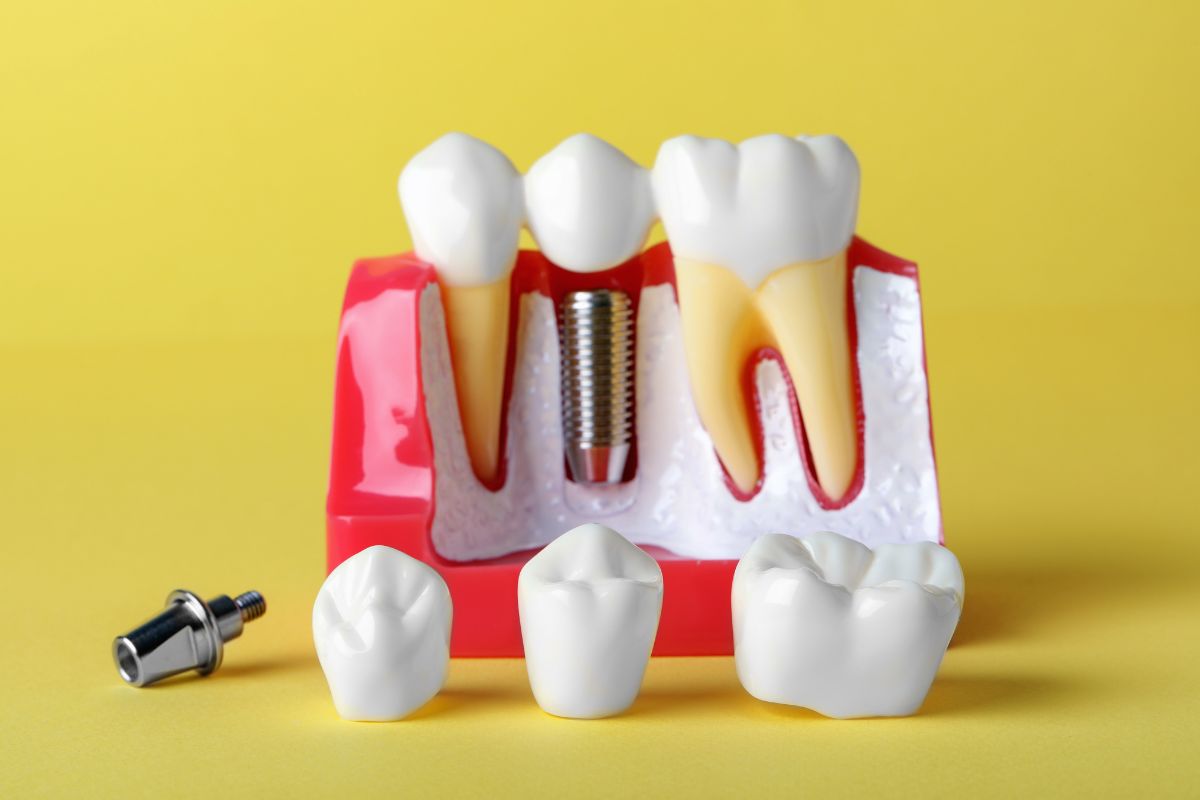
Before exploring the different types of implant solutions, it’s helpful to understand what a dental implant is. A dental implant is a small, screw-like post, typically made of titanium, that is surgically placed into your jawbone. This post acts as a replacement for the root of a missing tooth.
Once the implant fuses with the jawbone—a process called osseointegration—it provides a strong and stable foundation. An abutment, or connector piece, is then attached to the implant, and a custom-made crown is placed on top. The result is a replacement tooth that looks, feels, and functions just like a natural one. This structure is what makes implants such a reliable and popular solution for tooth loss.
Restoring a Single Missing Tooth
Losing even one tooth can disrupt the alignment of your other teeth and affect your ability to chew properly. For a single missing tooth, a single dental implant is the most common and effective solution.
The Single Implant Procedure
- Implant Placement: The process begins with the surgical placement of the titanium implant into the jawbone where the tooth is missing.
- Healing Period: Over the next several months, the implant will integrate with the jawbone. During this time, you may be fitted with a temporary tooth.
- Abutment Placement: Once healing is complete, the abutment is attached to the implant. This piece sits just above the gum line and serves as the connector for the new crown.
- Crown Attachment: Finally, a custom-made dental crown, designed to match the color and shape of your surrounding teeth, is secured to the abutment.
Benefits of a Single Implant
Choosing a single implant offers several key advantages over other options like a traditional dental bridge:
- Preserves Adjacent Teeth: A dental bridge requires the teeth on either side of the gap to be filed down to support the restoration. A single implant, however, is a standalone solution that doesn’t affect your healthy, natural teeth.
- Maintains Jawbone Health: The implant stimulates the jawbone just like a natural tooth root, preventing the bone loss that often occurs when a tooth is missing.
- Durability and Longevity: With proper care, a dental implant can last a lifetime, making it a highly reliable and cost-effective long-term solution.
- Natural Look and Feel: Because the implant is securely anchored in your jaw, it provides a level of stability that allows you to eat, speak, and smile with complete confidence.
Solutions for Multiple Missing Teeth
If you are missing several teeth, you don’t necessarily need an individual implant for every single gap. Dentists can use a smaller number of implants to support multiple replacement teeth, providing a stable and efficient restoration. The two primary options for multiple tooth loss are implant-supported bridges and implant-supported dentures.
Implant-Supported Bridges
An implant-supported bridge is an excellent choice when you have two or more missing teeth in a row. Instead of relying on adjacent natural teeth for support, this type of bridge is anchored by dental implants.
How It Works:
Two implants are surgically placed on either side of the gap. After the healing period, a custom bridge consisting of two crowns (which attach to the implants) and one or more pontics (artificial teeth that fill the gap) is secured in place. This creates a seamless and sturdy restoration for the entire missing section.
Benefits of an Implant-Supported Bridge:
- Stability: The bridge is securely fixed to the implants, so it won’t slip or shift.
- Bone Preservation: The implants help maintain the health and density of the jawbone.
- Cost-Effective: This option is often more economical than placing an individual implant for each missing tooth.
Implant-Supported Dentures (All-on-X)
For those missing most or all of their teeth in an arch, implant-supported dentures, often referred to as “All-on-X” (like All-on-4 or All-on-6), offer a revolutionary alternative to traditional dentures.
How It Works:
This technique uses a strategically placed set of four to six implants to support a full arch of permanent, non-removable replacement teeth. The implants are often angled to maximize contact with the available bone, sometimes eliminating the need for bone grafting. A full denture is then securely attached to these implants.
Benefits of Implant-Supported Dentures:
- Superior Stability: Unlike traditional dentures that can slip or cause discomfort, implant-supported dentures are fixed in place, allowing you to eat and speak with confidence.
- Improved Chewing Function: You can enjoy a wider variety of foods without worrying about your dentures moving.
- Prevents Bone Loss: The implants stimulate the jawbone, preserving facial structure and preventing the “sunken” look that can result from bone atrophy.
- Enhanced Comfort: Since the denture is supported by implants rather than resting on the gums, it eliminates the sore spots and irritation common with conventional dentures.
Which Option is Right for You?
The best dental implant solution depends on several factors, including the number of teeth you’re missing, the location of the gaps, and the health of your jawbone.
- For a single missing tooth: A single dental implant is the clear winner.
- For several missing teeth in a row: An implant-supported bridge is an effective and efficient choice.
- For most or all missing teeth in an arch: Implant-supported dentures provide a life-changing, permanent solution.
A thorough consultation with your dentist is the essential first step. They will conduct a comprehensive examination, including dental imaging like X-rays or a CT scan, to assess your oral health and bone density. Based on this evaluation, they can recommend the most appropriate treatment plan to restore your smile and improve your quality of life.
Your Path to a Restored Smile
Losing teeth no longer means settling for uncomfortable or temporary solutions. Dental implants offer a permanent, natural-looking way to replace single or multiple teeth, allowing you to smile, eat, and speak with renewed confidence. By understanding the options available, you can make an informed decision that aligns with your health needs and personal goals.
If you’re ready to explore how dental implants can transform your smile, the next step is to schedule a consultation with a qualified dental professional. They can provide a personalized assessment and guide you on your journey back to a complete and healthy smile.