

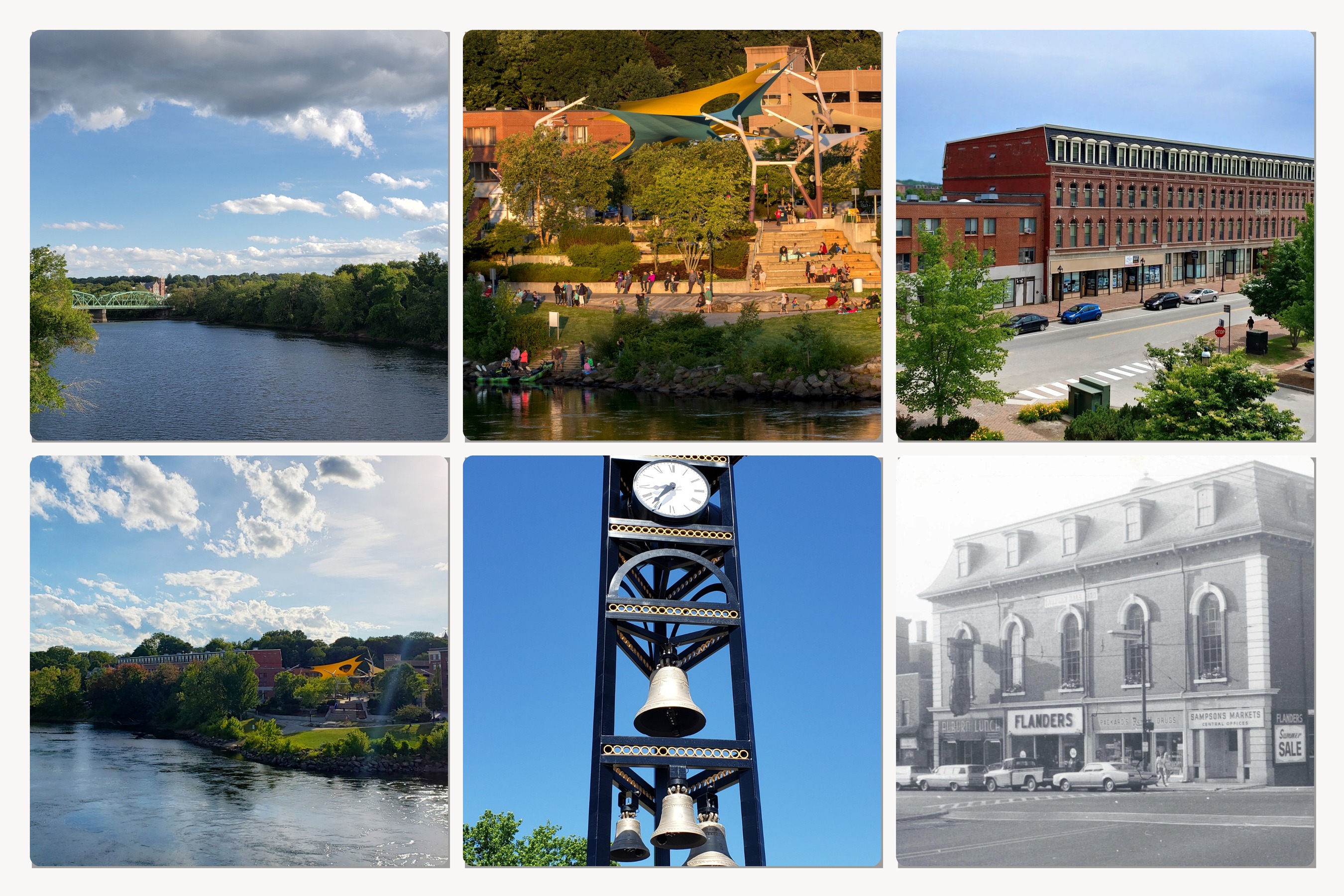
At Simard–Payne Park, the Androscoggin moves with quiet strength while kids chase each other across the grass and a sculler cuts a line upstream. Near the footbridge, a simple QR placard points to a new regional portal that pulls the LA Region’s essentials into one place. Visitors lift their phones and land on event listings, trail maps, and dining guides. Parents check playgrounds and parking. A couple scans for live music before a riverfront stroll. The scene feels organized and hopeful, the kind of small, practical change that makes a city weekend click.
Not long ago, national headlines reduced Lewiston and Auburn to loss. Residents shouldered that weight while they kept showing up for one another. This summer tells a fuller story. Festivals and fairs are back on the calendar. Employers host job fairs that draw real interest. New Mainers open shops and join neighborhood groups. As one vendor jokes while handing out tasting spoons, the best way to change a story is to let people write themselves into it.
Lewiston Auburn’s Digital Front Door
Why relaunch now? Because Lewiston Auburn needed a single front door for visit, live, and work information that is easy to use and easy to trust. The new site is built around fast navigation and plain language. It offers an interactive map for parks, trails, galleries, and venues. An itinerary builder lets you shape a weekend that moves from pancakes to paddling to a show without backtracking. The team is adding bilingual content so new residents and long time locals can get answers in the language that helps most.
Early traffic patterns match the region’s calendar. When Riverfest promotes its lineup, when colleges welcome students, or when an employer announces openings, page views climb and time on page stretches. Those numbers are not hype. They show how people move through a modern city, checking a phone, finding a plan, and sharing it with friends.
Over time, the portal will save residents time, help employers recruit, and give first time visitors a clear sampling plate for a long weekend in Lewiston Auburn. Visit the new regional portal to see how simple it is to plan a day.
Discover LA is not just a directory. It is a compact promise about how information will work from now on. Short pages answer common questions fast. Deeper guides collect local wisdom in one place so people do not have to dig across many sites. The portal can grow with the region, and it can stay useful because it measures what people click and where they stall, then tunes the layout so the next visit is even easier.
Bricks and Mortar Revival
The digital upgrade lands beside a visible wave of projects. The cities are preparing riverfront improvements that include a community pavilion at Simard–Payne, overlooks and steps down to the canal, and safer links from Lisbon Street to the water. These are practical moves that make daily life better. They create places to meet a friend after work or to bring family on a Saturday morning. They also strengthen the core parks that anchor events and seasonal markets. Well marked paths, lighting, and seating make it easier for people to stay longer and return often.
Planning documents point to the long view. The updated Riverfront Island Master Plan extends the riverwalk north and south and studies a pedestrian link to Auburn. It treats the Androscoggin as a string that ties together parks, mills, new housing, and small businesses. The map shows where lighting, crosswalks, and path surfacing matter as much as big projects. The result is a walkable spine with room for food carts, music, rowing, fishing, and quiet space by the water. Read the Riverfront Island Master Plan update to see how the pieces fit.
As construction phases in, the cities can test and iterate. Temporary seating can become permanent. A successful pop up market can become a weekly fixture. Clear wayfinding helps first time visitors try a new route, then return with friends. These upgrades set a stage for private investment as well. When streets, lighting, and signage improve, small developers feel confident adding housing above storefronts and rehabbing mill spaces into studios or offices. The return is local and visible, block by block.
Central Maine’s Momentum
The Lewiston Auburn story sits inside a larger Central Maine picture. Regional partners have advanced federal requests to close job gaps, rebuild main streets, and connect people to training that leads to better wages. Programs launched after the pandemic have helped dozens of small businesses stabilize and grow.
At the same time, northern investments in wind generation and transmission signal confidence in Maine’s future grid. That matters for manufacturers and startups that watch energy costs closely. Reliable power supports growth, hiring, and local supply chains.
Partnerships with colleges and training centers are crucial. Short, stackable credentials help people move from an entry level role to a skilled position in months, not years. When employers coordinate with educators, graduates step into real demand. That keeps paychecks and families rooted in Central Maine. Together these moves point in the same direction, steady and practical growth. For a family thinking about a move, it looks like reliable schools, parks, and commutes. For a student or a returning Mainer, it looks like a path to a good job within an hour of the river. For a visitor, it looks like a city weekend that is easy to plan and even easier to repeat.
Culture and Human Capital
Culture is where momentum becomes sticky. On Lisbon Street, immigrant owned cafés and markets serve sambusas, fresh bread, and rich coffee. Art walks fill storefronts with local work. Summer stages pop up along the river. Riverfest pulls families to the water for races, food, and music that run until dusk. College students meet colleagues from the mills at the same food trucks. Visitors are surprised by the range of options within a short ride. The scene feels genuine because it is powered by neighbors, artists, and small businesses who live here.
This is the quiet engine of retention. Talent follows quality of life, and quality of life follows easy access. When a city makes the best of itself simple to find on a phone, on a map, and on a Saturday afternoon, people stay, people return, and new people arrive. That is how Lewiston Auburn adds the next chapter to a Central Maine comeback. It is also how employers keep interns after graduation and how alumni decide that now is the time to come home.
Challenges and Critics
A strong story can still miss key chapters. Housing supply is tight, and many renters feel the squeeze. Residents want visitor dollars, but they also want streets and parks that serve daily needs first. Some say a glossy website hides hard problems. Local advocates answer that a good site is a tool, not a gloss.
It helps people use what exists, it clarifies what is next, and it pulls attention toward projects that need funding, volunteers, and patience. The test is simple. More people using the riverfront and downtown, more local shops staying open, and more graduates choosing to build a life here.
Civic groups and city staff are candid about timelines and budgets. They invite feedback at public meetings and through surveys. They also ask employers to help with internships, training seats, and relocation support. This is the real work of a comeback. It is not fast. It is steady and open to the public.
Discover LA: Outlook and Next Steps
The next six months focus on scale and clarity. A fall print guide will pair with the portal and give merchants and venues a way to join co marketing packages. Expect more bilingual pages, more two day and five stop itineraries, and regular progress posts on riverfront work so residents can track milestones without digging through minutes. For employers, the site will bundle job fairs, training partners, and relocation basics into one short list. For residents, it will make city services and parks simpler to use.
If the coalition keeps pace, Discover LA will do what good infrastructure always does, make growth feel close at hand. The portal becomes a habit, the riverfront becomes a daily route, and the story of Lewiston Auburn becomes the simple one people live, a small metro in Central Maine that works.