

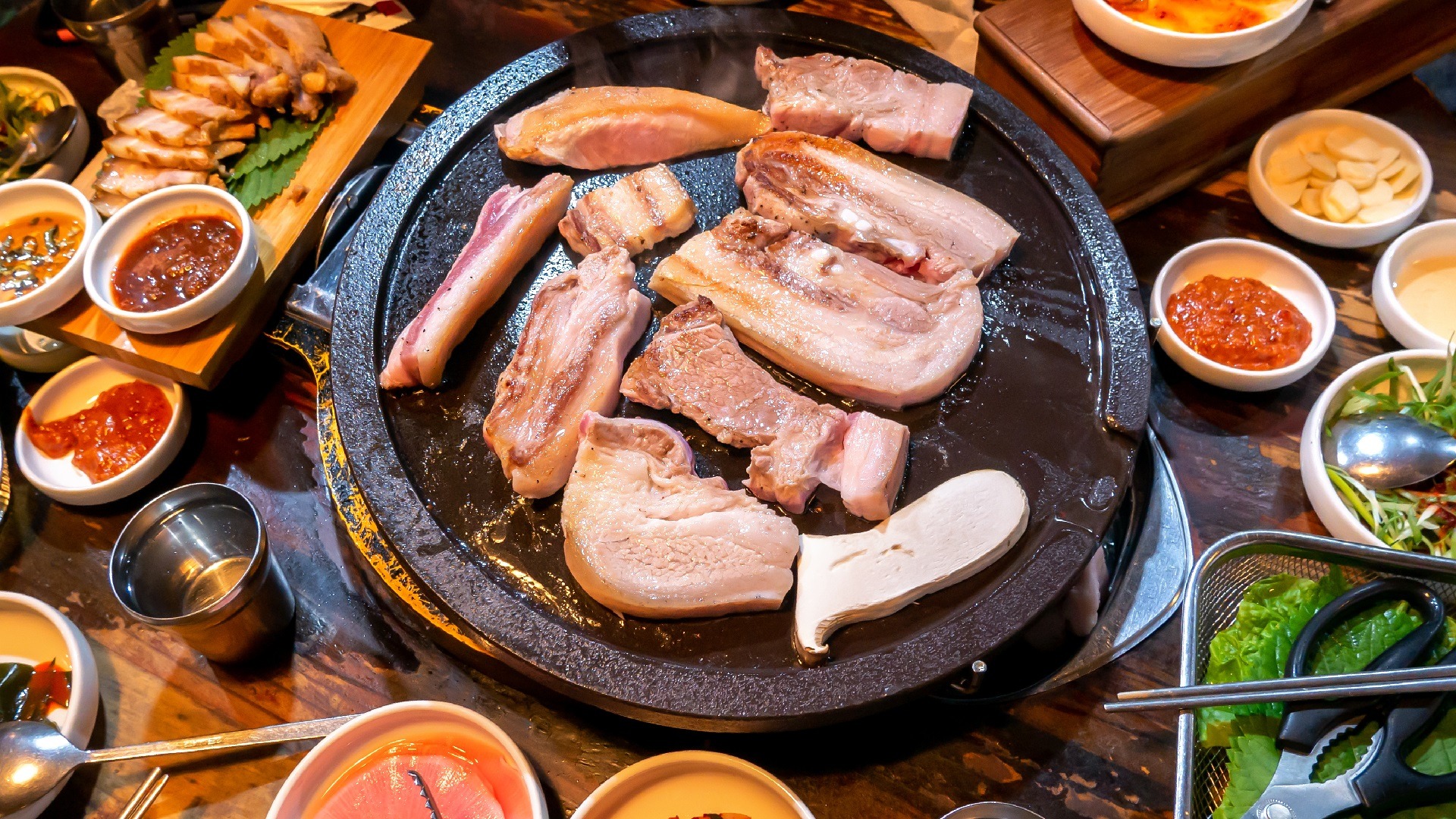
Korean cuisine, often celebrated as one of the world’s healthiest and most flavorful culinary traditions, has captivated food lovers globally with its bold tastes, vibrant colors, and emphasis on balance. Rooted in centuries of history, Korean food reflects the peninsula’s geography, seasonal ingredients, and philosophical approach to eating—where food is not just sustenance but a path to harmony and well-being. From fermented staples like kimchi to grilled meats and innovative street foods, Korean dishes offer a symphony of spicy, savory, sweet, and sour notes that make every meal an experience.
The history of Korean cuisine dates back thousands of years, evolving through influences from ancient agricultural practices, Buddhist traditions, and interactions with neighboring cultures. Fermentation, a cornerstone technique born from the need to preserve vegetables during harsh winters, has given rise to iconic foods rich in probiotics. Over time, royal court dishes integrated refined techniques, while regional variations added diversity—coastal areas favoring seafood, mountainous regions emphasizing wild greens and mushrooms. Today, Korean food continues to adapt, blending tradition with modern twists, yet it remains grounded in principles of nutritional balance and seasonal eating.
One of the hallmarks of Korean meals is the array of banchan, small side dishes served alongside rice and main courses. These might include seasoned spinach, pickled radishes, or bean sprouts, providing a variety of textures and flavors that complement the central dish. Bibimbap, a colorful mixed rice bowl topped with vegetables, meat, a fried egg, and gochujang (chili paste), exemplifies this harmony. It’s not only visually stunning but also customizable, allowing diners to mix ingredients for a personalized burst of taste. Similarly, soups and stews like kimchi jjigae or doenjang jjigae—made with fermented soybean paste—offer comforting warmth and depth, often incorporating tofu, seafood, or pork for added protein.
Korean barbecue, or gogi-gui, is perhaps the most interactive and social aspect of the cuisine. Diners grill marinated meats like bulgogi (thinly sliced beef in a sweet-soy marinade) or samgyupsal (pork belly) at the table, wrapping bites in lettuce leaves with garlic, ssamjang (a dipping sauce), and banchan. This communal style fosters connection, turning meals into celebrations. The smoky aroma and sizzling sounds create an unforgettable atmosphere, whether at home or in a bustling restaurant.
No discussion of Korean food would be complete without highlighting korean fried chicken, a modern icon that has taken the world by storm. Known for its ultra-crispy exterior and juicy interior, this dish stands out due to unique preparation methods. The chicken is often double-fried—first at a lower temperature to cook through, then at a higher one for that signature crunch—resulting in a lighter, less greasy texture compared to other fried chickens. A thin batter using potato or cornstarch contributes to the shatteringly crisp skin that holds up even under sauce.
What truly elevates korean fried chicken is the variety of coatings. Plain (huraideu) versions emphasize pure crunch, while yangnyeom styles feature a glossy, sweet-spicy glaze made with gochujang, garlic, and sugar. Soy-garlic and honey butter variations add layers of umami or sweetness, making it addictive. Paired with pickled radishes to cut the richness and often enjoyed with beer (a combo called chimaek), it’s a perfect blend of indulgence and balance. Its origins trace to post-war influences, evolving in the 1970s and exploding in popularity during economic booms, when chains innovated flavors to pair with drinking culture.
Beyond taste, Korean food is renowned for its health benefits. Fermented items like kimchi are packed with probiotics that support gut health, boost immunity, and may reduce inflammation. Vegetables dominate many dishes, providing fiber, vitamins, and antioxidants, while garlic, ginger, and chili peppers add anti-inflammatory and metabolism-boosting properties. Meals are typically low in processed foods, emphasizing whole ingredients that promote longevity—evident in Korea’s reputation for healthy eating patterns.
For those eager to explore, searching for a korean food restaurant near me opens doors to authentic experiences. Look for spots with bustling crowds of locals, extensive banchan selections, and table grills for barbecue. Many offer all-you-can-eat options or specialized menus focusing on stews, noodles like naengmyeon (cold buckwheat noodles), or street foods such as tteokbokki (spicy rice cakes). Whether in Seoul’s vibrant markets or international cities with growing Korean communities, these restaurants bring the essence of Korea to your table.
In a fast-paced world, Korean cuisine reminds us to slow down, savor layers of flavor, and nourish both body and spirit. From the fiery kick of gochujang to the subtle tang of fermentation, it’s a culinary tradition that continues to inspire and delight. Next time you’re craving something bold and satisfying, dive into Korean food—your taste buds (and health) will thank you.