

Introduction to Water Heating Solutions
Water heating is a fundamental component of any household, firmly ingrained in daily activities such as bathing, cooking, and cleaning. The type of water heater you choose can dramatically affect your home’s energy consumption and comfort levels. With advancements in technology, homeowners now face the impactful decision between installing a tankless water heater vs traditional water heater. This article delves into each option’s distinctions, benefits, and considerations, providing a comprehensive guide to help you make the most informed choice for your household’s needs and efficiency goals.
How Do Tankless Water Heaters Work?
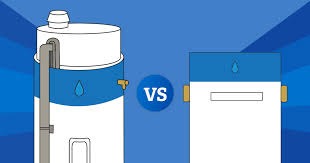
Tankless water heaters, also known as on-demand water heaters, heat water as needed. When a hot water tap is turned on, cold water flows through a pipe into the unit, which is heated by an electric element or gas burner. It eliminates the need for a storage tank, making them compact and ideal for homes with limited space. Their efficiency supports modern households seeking energy-saving solutions without sacrificing hot water availability.
Advantages of Traditional Water Heaters
Traditional water heaters, recognizable by their large, cylindrical tanks, have been a household standard for decades. They store heated water, providing reliable access during peak usage times. They are affordable for many homeowners and have a lower upfront cost than tankless models. Despite their bulkiness, their consistent performance makes them popular in various households.
Energy Efficiency: Which One Comes Out on Top?
Tankless water heaters offer better energy efficiency by heating water only as needed, eliminating standby energy losses common in traditional models. According to the Department of Energy, they can save 24% to 34% in energy compared to conventional water heaters for homes using 41 gallons or less per day. It makes them an excellent solution for individuals trying to minimize their energy costs and carbon footprint.
Cost Comparison: Initial Investment vs. Long-Term Savings
Financial considerations are key when choosing a water heater. Because of their inefficiency, classic water heaters have a cheaper initial cost but higher continuous operating expenses. In contrast, tankless water heaters require a higher initial investment but often lead to lower energy bills and long-term savings. Homeowners should weigh the initial cost against potential savings and return on investment, which vary based on water usage and regional energy prices.
Environmental Impact of Your Water Heating Choice
Environmental impact is a key consideration for homeowners embracing sustainable living. Traditional water heaters have high carbon emissions due to continuous energy usage, while tankless water heaters offer a more eco-friendly alternative by reducing fossil fuel demand. Studies show that tankless systems can significantly lower household carbon footprints, supporting the trend of environmentally conscious home improvements. Choosing a water heater with less environmental impact helps homeowners contribute to the fight against climate change.
Factors to Consider When Choosing a Water Heater
When choosing a water heater, consider efficiency and cost, your home’s space, hot water needs, and sustainability goals. Tankless systems are great for small spaces and households, while traditional heaters suit larger homes with higher demands due to their stored capacity. Assess your situation and create a checklist of usage habits and priorities for a practical choice that fits your lifestyle.
Final Thoughts on Water Heating Solutions
Tankless and traditional water heaters each have unique benefits suited to different needs. To make an informed choice, one should evaluate energy efficiency, costs, and environmental impact. With advancements in technology and sustainability efforts, future water heating solutions aim for greater efficiency and lower environmental footprints. Homeowners who consider these factors can choose a water heater that maximizes comfort and energy savings while aligning with their goals.