

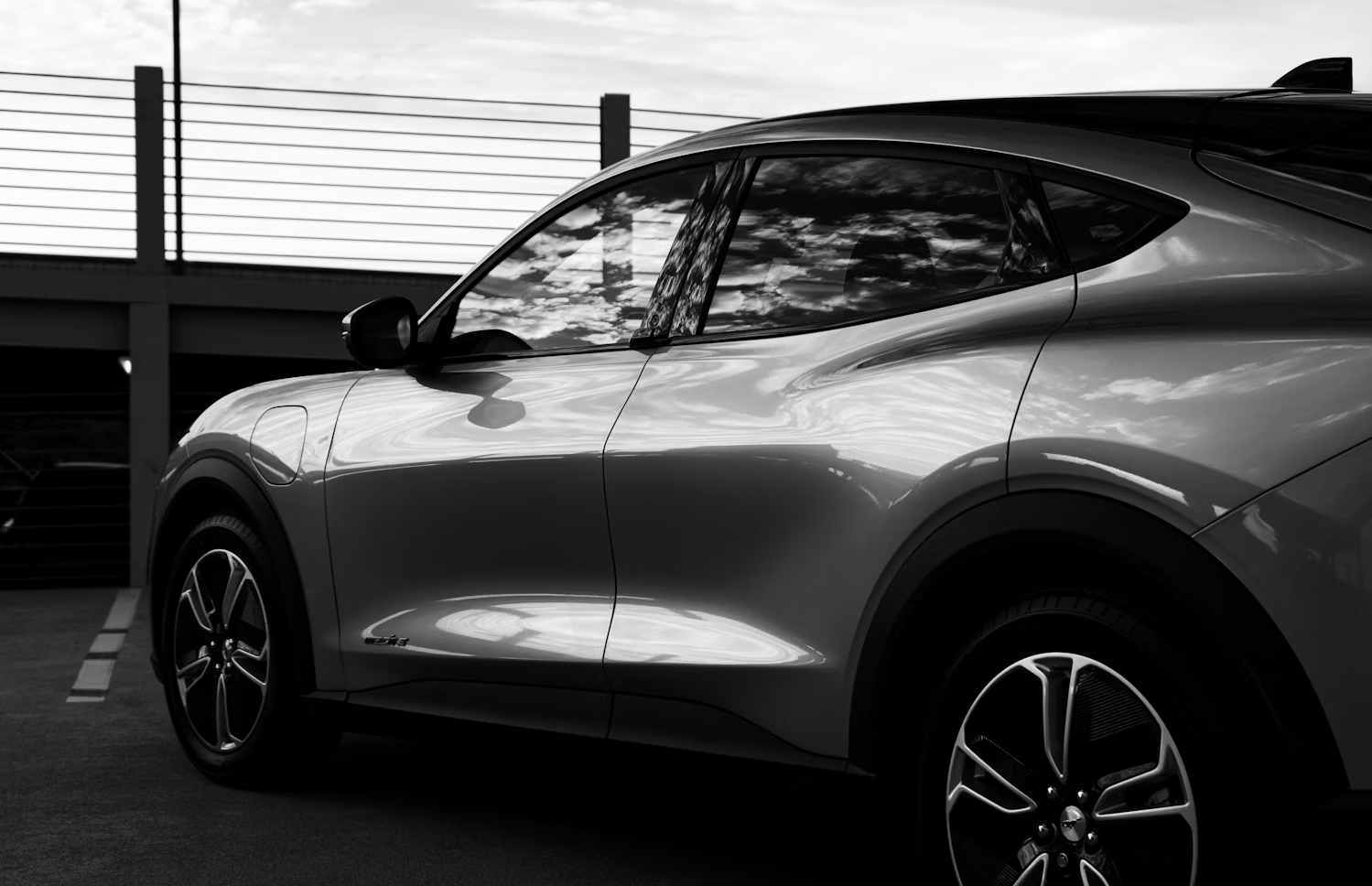
The automotive industry is significantly transforming, with electric vehicles (EVs) rapidly gaining popularity. While traditional gasoline-powered cars remain a mainstay, the appeal of EVs is undeniable.
Here is a comprehensive guide from AUT0MiZE, a leading auto dealership digital marketing agency, that compares electric and gas vehicles across various factors to help you make an informed decision.
Performance and Driving Experience
Acceleration: Electric cars often boast impressive acceleration due to instant torque delivery from electric motors. While offering varying performance levels, gas cars typically require more time to build up speed.
Handling: Based on our first-hand experience, electric and gas cars offer excellent handling depending on the specific model. However, many electric cars’ lower center of gravity can contribute to a sportier feel.
Range and Charging Infrastructure: Electric cars have made great strides in range, but charging infrastructure is still developing in many areas. On the other hand, gas cars have a vast network of fueling stations.
Noise Levels: Electric cars are significantly quieter than gas cars, offering a more peaceful driving experience. Gas cars, especially those with powerful engines, can be noticeably louder.
Cost and Ownership
Purchase Price: The upfront cost of electric cars is generally higher than comparable gas cars, although this gap is narrowing. However, potential long-term savings on fuel and maintenance should be considered. Do extensive research to compare the prices from different dealerships. Digital marketing agencies like AUTOMiZE can also help you compare prices and find the best deals.
Fuel Costs: Electricity is typically cheaper than gasoline, leading to lower operating costs for electric cars. Gas prices fluctuate and can be unpredictable.
Maintenance: Electric cars have fewer moving parts, resulting in lower maintenance costs than gas cars. Routine maintenance for EVs is more straightforward and less frequent.
Charging vs. Refueling: Charging an electric car takes longer than refueling a gas car, but charging can often be done conveniently at home or work. Gas cars require trips to the gas station.
Environmental Impact
Emissions: Electric cars produce zero tailpipe emissions, making them significantly better for air quality than gas cars. Gas cars contribute to greenhouse gas emissions and air pollution.
Battery Production: The production of batteries for electric cars raises concerns about environmental impact. However, electric cars’ overall carbon footprint is generally lower than gas cars over their lifetime.
The Verdict
The choice between electric and gas cars depends on individual needs, preferences, and circumstances. Electric cars excel in performance, environmental impact, and long-term cost savings, but the charging infrastructure and higher upfront cost are factors to consider.
Gas cars offer familiar refueling options and a more comprehensive range of models but have higher operating costs and environmental concerns.
Ultimately, test-driving both types of vehicles and carefully considering your driving habits, budget, and charging availability will help you make the best decision for your needs. As the electric vehicle market evolves, expect further technological advancements, charging infrastructure, and vehicle options, making the choice even more compelling for many drivers.