

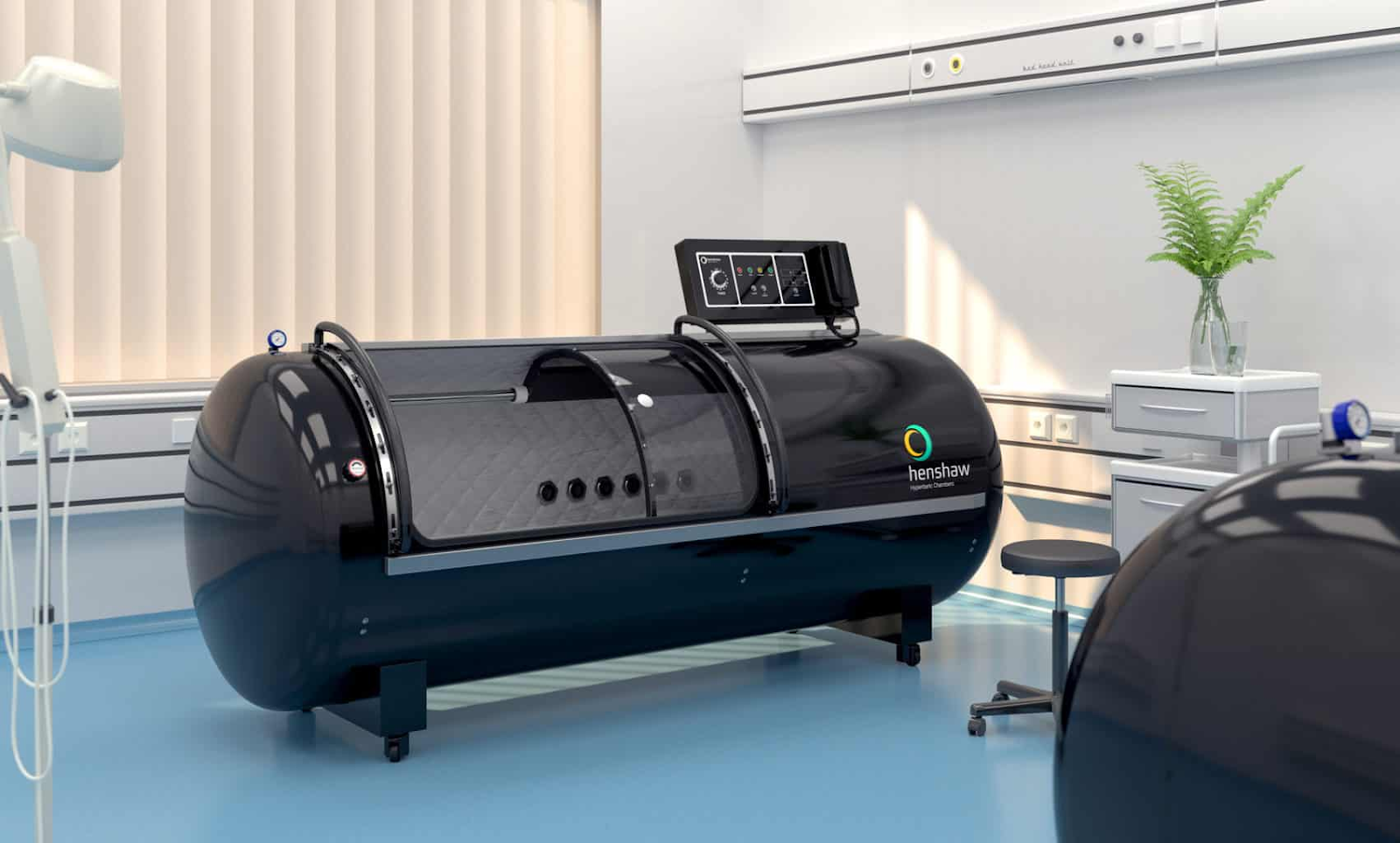
Hyperbaric Oxygen Therapy (HBOT) is a medical treatment that enhances the body’s natural healing processes by inhaling 100% oxygen in a total body chamber, where atmospheric pressure is increased and controlled. Originally used to treat decompression sickness in divers, hyperbaric oxygen therapy is now utilized for a variety of medical conditions, providing benefits that go beyond the treatment of diving-related issues.
What is Hyperbaric Oxygen Therapy?
Hyperbaric oxygen therapy involves placing a patient in a pressurized chamber where they breathe pure oxygen. The therapy sessions typically last between 60 to 90 minutes. The increased pressure allows the lungs to gather more oxygen than would be possible breathing pure oxygen at normal air pressure. This high concentration of oxygen promotes the healing of tissues, reduces inflammation, and fights infection.
Medical Uses of Hyperbaric Oxygen Therapy
Hyperbaric oxygen therapy is FDA-approved for several medical conditions, including:
- Decompression Sickness: Also known as “the bends,” this condition affects divers who surface too quickly. HBOT helps eliminate nitrogen bubbles from the blood, alleviating symptoms.
- Carbon Monoxide Poisoning: Breathing pure oxygen at increased pressure quickly replaces carbon monoxide in the blood with oxygen, reversing poisoning effects.
- Non-healing Wounds: Conditions such as diabetic foot ulcers can benefit from HBOT by promoting faster and more effective healing.
- Radiation Injuries: Patients who have received radiation therapy for cancer can suffer from tissue damage. HBOT helps repair this damaged tissue by promoting new blood vessel formation.
How Hyperbaric Oxygen Therapy Works
The effectiveness of hyperbaric oxygen therapy is based on the principles of gas laws. At higher atmospheric pressures, more oxygen dissolves in the blood plasma, allowing it to reach tissues that are hypoxic or deprived of oxygen. This elevated oxygen level enhances the body’s ability to heal and reduces the effects of harmful bacteria.
During a hyperbaric oxygen therapy session, patients lie in a chamber—either monoplace (single-person) or multiplace (multiple people). They breathe in pure oxygen while the chamber is pressurized to 1.5 to 3 times the normal atmospheric pressure. The high oxygen concentration promotes several physiological benefits, including:
- Enhanced Oxygen Delivery: More oxygen is transported to tissues, supporting cellular metabolism and repair.
- Angiogenesis: The formation of new blood vessels, which improves blood flow to compromised areas.
- Anti-inflammatory Effects: Reduces swelling and inflammation, aiding recovery.
- Antimicrobial Activity: Higher oxygen levels enhance the body’s immune response and inhibit the growth of certain bacteria.
Benefits of Hyperbaric Oxygen Therapy
Hyperbaric oxygen therapy offers numerous benefits, making it a versatile treatment option for various conditions. Some of the key benefits include:
- Accelerated Healing: Increased oxygen levels speed up the healing process of wounds and injuries.
- Reduced Inflammation: HBOT’s anti-inflammatory properties can alleviate pain and swelling, promoting recovery.
- Enhanced Immune Function: The therapy boosts the body’s ability to fight infections, particularly those resistant to antibiotics.
- Improved Cognitive Function: Research suggests that HBOT can enhance brain function and cognitive recovery in patients with traumatic brain injuries or strokes.
- Pain Relief: Conditions like fibromyalgia and complex regional pain syndrome (CRPS) have shown improvement with HBOT, reducing chronic pain.
Risks and Considerations
While hyperbaric oxygen therapy is generally safe, it is not without risks. Some potential side effects include:
- Barotrauma: Damage to the ears or sinuses caused by changes in pressure.
- Oxygen Toxicity: Breathing in high concentrations of oxygen for extended periods can lead to oxygen toxicity, affecting the central nervous system.
- Claustrophobia: Some patients may experience anxiety or claustrophobia in the enclosed chamber.
It’s essential for patients to undergo a thorough medical evaluation before starting hyperbaric oxygen therapy to determine its suitability and to minimize risks.
The Future of Hyperbaric Oxygen Therapy
The applications of hyperbaric oxygen therapy continue to expand as research uncovers new potential benefits. Studies are exploring its efficacy in treating conditions such as autism, Alzheimer’s disease, and multiple sclerosis. Additionally, athletes are increasingly using HBOT to enhance recovery and performance.
Hyperbaric oxygen therapy represents a powerful tool in modern medicine, offering a unique approach to healing by leveraging the natural benefits of oxygen. As understanding and technology advance, HBOT’s role in healthcare is likely to grow, providing hope and healing for many more patients.
In conclusion, hyperbaric oxygen therapy is a transformative treatment that harnesses the healing power of oxygen to address a wide range of medical conditions. By improving oxygen delivery to tissues, reducing inflammation, and enhancing immune function, HBOT offers a promising avenue for patients seeking alternative or adjunctive treatments. As research continues to explore its full potential, hyperbaric oxygen therapy stands as a testament to the innovative ways medical science can leverage natural elements for human health and recovery.