

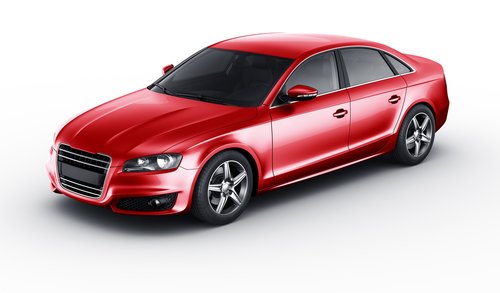
The automotive industry is undergoing a dramatic transformation as electric vehicles (EVs) emerge as the cornerstone of sustainable transportation. Driven by environmental concerns, regulatory pressure, and technological advances, EVs are poised to replace traditional internal combustion engine vehicles in the coming decade. In 2026, EV adoption is accelerating globally, shaping the future of mobility.
The Rise of Electric Vehicles
1. Global EV Adoption Trends
EV sales have surged in major markets including the United States, Europe, and China. Incentives such as tax credits, rebates, and stricter emission regulations have accelerated adoption. Battery costs are declining, making EVs more affordable for the average consumer.
2. Technological Advancements
Battery technology has improved dramatically, with higher energy density, faster charging times, and longer lifespans. Solid-state batteries and next-generation lithium-ion technologies are pushing EV performance closer to, or even surpassing, that of conventional vehicles.
3. Charging Infrastructure Expansion
The development of widespread charging networks is crucial for EV adoption. Public and private sectors are investing in fast-charging stations, enabling longer trips and reducing range anxiety for drivers. Wireless and ultra-fast charging technologies are also emerging.
Environmental Impact
1. Reduced Emissions
EVs produce zero tailpipe emissions, significantly reducing air pollution in urban areas. Combined with clean energy generation, EVs contribute to lowering overall greenhouse gas emissions and combating climate change.
2. Energy Efficiency
Electric motors are far more energy-efficient than combustion engines. They convert a higher percentage of energy into motion, reducing waste and increasing overall sustainability.
3. Circular Economy and Battery Recycling
Recycling and repurposing EV batteries is critical for sustainability. Companies are developing processes to extract valuable materials and reduce environmental impact at the end of a battery’s life.
Opportunities in the EV Market
1. Economic Growth and Job Creation
The EV sector is generating new jobs in battery manufacturing, software development, and infrastructure development. The transition to EVs is spurring innovation and creating new business opportunities.
2. Integration with Renewable Energy
EVs can integrate with solar and wind energy systems, acting as mobile storage solutions for renewable power. Vehicle-to-grid (V2G) technologies allow EVs to feed energy back to the grid during peak demand.
3. Autonomous and Connected Vehicles
Many EVs are equipped with advanced driver-assistance systems (ADAS) and AI-based connectivity. This enables safer, smarter, and more efficient transportation networks.
Challenges Facing EV Adoption
1. Battery Supply and Raw Materials
The rapid growth of EVs increases demand for lithium, cobalt, and other raw materials. Sustainable sourcing and recycling initiatives are essential to meet this demand responsibly.
2. Infrastructure Gaps
While charging networks are expanding, many regions still lack adequate infrastructure. Ensuring equitable access is vital for global EV adoption.
3. Cost and Affordability
Despite declining battery prices, EVs can still be more expensive upfront than traditional vehicles. Financial incentives and economies of scale are helping to bridge this gap.
Future Outlook
By 2030, EVs are expected to dominate new vehicle sales in many regions. Advances in battery technology, charging infrastructure, and integration with renewable energy will make EVs the primary mode of sustainable transportation. Policy support, industry collaboration, and consumer adoption are key to achieving this vision.
Conclusion
Electric vehicles are not just a trend—they represent the future of sustainable transportation. With advancements in technology, infrastructure, and renewable energy integration, EVs offer an environmentally friendly, efficient, and innovative mobility solution. Embracing this transition is crucial for a cleaner, smarter, and more sustainable world.