

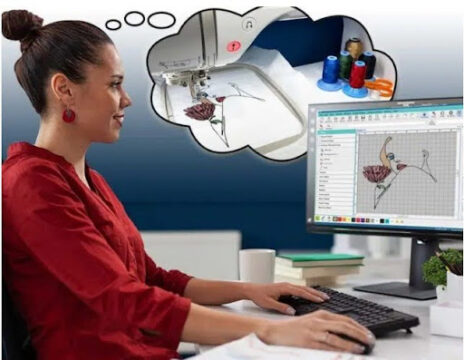
Embroidery is more than just stitching thread on fabric. It is about turning ideas into clean, strong, and good-looking designs. A reliable Embroidery Digitizing Service helps make this possible. It takes your logo, text, or artwork and turns it into a stitch file that embroidery machines can read. When done right, the final result looks neat, sharp, and long-lasting on any fabric.
Many people try to stitch designs without proper digitizing. The result is often broken threads, uneven stitches, and poor detail. That is why digitizing is not an extra step. It is the most important part of machine embroidery. In this guide, we will explain how embroidery digitizing works, why it matters, and how it helps logos, text, and artwork look their best.
What Is an Embroidery Digitizing Service?
Embroidery digitizing is the process of turning an image into stitch data. The machine does not see pictures. It only reads stitch commands. A digitizer plans each stitch by hand using special software.
What digitizing includes
- Choosing stitch types
- Setting stitch direction
- Adjusting stitch density
- Adding underlay stitches
- Matching design to fabric
A good embroidery digitizing service focuses on quality, not speed. Every detail is planned to make sure the design stitches clean.
Why Digitizing Is Important for Machine Embroidery
Many people think embroidery machines do all the work. That is not true. The machine only follows instructions. If the file is poor, the result will be poor.
Benefits of proper digitizing
- Smooth stitch flow
- Clean edges
- Sharp text
- Strong design structure
- Fewer thread breaks
Digitizing helps avoid common embroidery problems and saves time during production.
Embroidery Digitizing for Logos
Logos are one of the most common embroidery designs. They also need the most care. Logos often include small text, thin lines, and sharp shapes.
Common logo digitizing challenges
- Tiny letters
- Complex shapes
- Color changes
- Fine outlines
A skilled digitizer adjusts stitch types and directions to keep the logo clear and balanced.
Best stitch types for logos
- Satin stitch for borders and letters
- Fill stitch for large areas
- Running stitch for small details
Each logo needs a custom approach. There is no one-size-fits-all method.
Embroidery Digitizing for Text
Text embroidery looks simple, but it can be tricky. Small text can easily become unreadable if not digitized well.
Tips for clean embroidered text
- Use simple fonts
- Avoid very thin letters
- Increase spacing slightly
- Choose the right stitch type
Satin stitches work best for medium and large text. Running stitches help with very small lettering.
Embroidery Digitizing for Artwork
Artwork designs include images, drawings, and creative shapes. These designs often need extra planning.
Why artwork needs special digitizing
- Many stitch angles
- Shading effects
- Color blending
- Layer control
A good digitizer breaks artwork into sections and plans stitch order carefully. This helps avoid fabric pull and keeps the design smooth.
Understanding Stitch Types
Stitch choice affects how the design looks and feels.
Common embroidery stitch types
Satin stitch
- Smooth and shiny
- Best for borders and text
Fill stitch
- Covers large areas
- Strong and stable
Running stitch
- Thin lines
- Light details
Using the wrong stitch can damage the look of the design.
Stitch Direction and Stitch Flow
Stitch direction controls how light reflects off the thread. It also affects fabric tension.
Why stitch direction matters
- Adds depth
- Reduces puckering
- Improves design balance
Good stitch flow makes the design look professional from all angles.
Stitch Density Explained
Stitch density means how close the stitches are.
Density problems
- Too high: stiff design and thread breaks
- Too low: gaps and weak coverage
The goal is balance. Density must match the fabric type and design size.
Role of Underlay Stitches
Underlay stitches sit under the top stitches. They support the design.
Benefits of underlay
- Stabilizes fabric
- Improves coverage
- Keeps stitches raised
Skipping underlay often leads to poor embroidery results.
Matching Digitizing to Fabric Type
Fabric type changes how stitches behave. A design for cotton may not work on caps or jackets.
Fabric-based digitizing tips
- Light fabric: low density, soft underlay
- Thick fabric: stronger underlay, normal density
- Stretch fabric: extra support
Digitizing should always match the fabric being used.
Manual Digitizing vs Auto Digitizing
Auto digitizing tools may seem easy, but they miss details.
Problems with auto digitizing
- Poor stitch flow
- Wrong density
- No fabric planning
Manual digitizing gives full control and better quality. It takes more time, but the result is worth it.
Testing Before Final Production
Testing is a must. A test run shows how the design behaves on real fabric.
What to check during testing
- Stitch quality
- Thread tension
- Fabric movement
Testing helps catch errors before full production begins.
Who Needs an Embroidery Digitizing Service?
Embroidery digitizing is useful for many people.
Ideal users
- Clothing brands
- Embroidery shops
- Small businesses
- Sports teams
- Home embroiderers
Anyone using embroidery machines needs good digitized files.
Long-Term Benefits of Quality Digitizing
Good digitizing saves money and time.
Long-term advantages
- Reusable files
- Faster stitching
- Less thread waste
- Better customer results
Quality digitizing improves workflow and final output.
How to Choose the Right Digitizing Service
Not all digitizing services offer the same quality.
What to look for
- Manual digitizing
- Experience with logos and text
- Fabric knowledge
- Clear communication
A good service focuses on stitch quality, not just fast delivery.
Final Thoughts
Embroidery digitizing is the foundation of machine embroidery. Without proper digitizing, even the best artwork can fail on fabric. Logos, text, and artwork all need careful planning, clean stitch flow, and correct settings. A professional embroidery digitizing service helps turn ideas into clean, durable embroidery designs that look great on every stitch.
If you want reliable digitizing with attention to detail and clean results, Digitizing Buddy offers professional embroidery digitizing services that help your designs stitch smoothly and look their best every time.