

The cost-of-living squeeze is real. Wages are lagging, housing inflation is pinching household budgets, and even middle-class comforts feel increasingly unaffordable in many Western and global financial centres. Faced with strained household cashflow, rising rents, and shrinking discretionary budgets, more people are asking a simple, practical question: is it possible to preserve — or even improve — my lifestyle while spending a fraction of what I pay now?
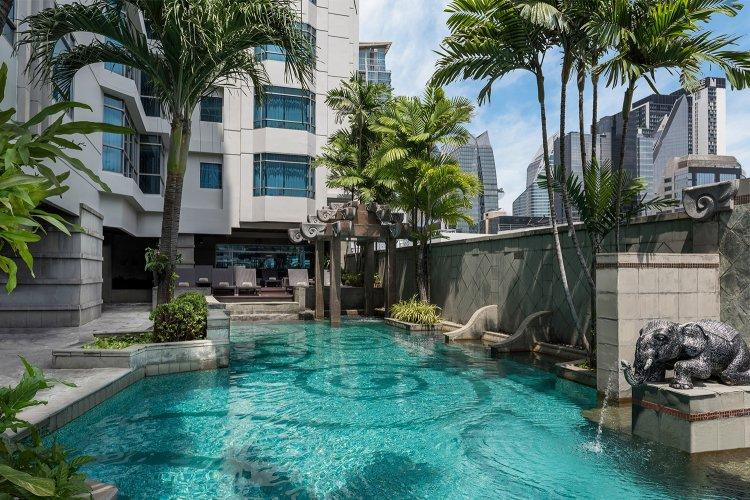
The short answer: yes. For many nationals of the UK, USA, Hong Kong and Canada, Thailand offers an immediately accessible solution: the ability to rent modern, secure, well-appointed condos — often with resort-style facilities — at prices that would be unthinkable in their home cities. This is not about sacrificing quality. It’s about relocating the base of your life to a place where money goes further and quality of life can improve. If you’re serious about escaping the cost-of-living crisis, a targeted strategy to rent a “cheap luxury” condo in Thailand deserves your attention — and one practical first step is to browse specialist property platforms such as Prime Property Thailand (https://www.prime-property-thailand.com/) which list competitive condos for rent across Bangkok, Phuket, Pattaya and other popular locations. (Prime Property in Thailand)
Why this works: the numbers you need to know
To understand why relocating can be transformative, you don’t need wishful thinking — you need comparative data. Reliable cost-of-living indexes show the scale of the gap.
- According to crowdsourced cost-of-living comparisons, the overall cost of living (including rent) in the United States is substantially higher than in Thailand; in a recent comparison the difference is reported as well over 100% (the U.S. being higher). Rent is an especially large component — measured rent prices in the U.S. were shown to be more than double those in Thailand. (Numbeo)
- The United Kingdom also ranks significantly above Thailand on the cost-of-living index; the UK’s cost-of-living including rent is close to 94% higher than Thailand in the same data set, with rent often the largest single line item for families and working professionals. (Numbeo)
- Canadian cities such as Toronto and Vancouver show similar discrepancies. For those comparing Toronto with Bangkok, Numbeo-derived comparisons suggest you need considerably more in Canada to match the same lifestyle available in Bangkok. (Numbeo)
- Hong Kong remains one of the world’s most expensive cities, ranked at the top of many Asian cost indexes. City-level rankings place Hong Kong far above Bangkok on the cost-of-living scale, driven primarily by sky-high housing and rent costs. For anyone feeling squeezed in Hong Kong, Thailand’s rental markets offer an obvious lower-cost alternative. (Numbeo)
Put bluntly: in many cases, the same money will buy you a far higher standard of living in Thailand than in those home countries. Rent a modern one- or two-bedroom condo in Bangkok or a luxury pool villa in Phuket and your monthly housing bill — often the make-or-break expense in any budget — can be a fraction of what you’d pay at home.
“Cheap luxury” — what does that mean in practice?
The phrase “cheap luxury” sounds like an oxymoron. For the purposes of this plan, use the following working definition:
- Luxury: a secure, well-maintained condominium complex with professional management, modern appliances and finishes, quality community facilities (pool, gym, lobby, security) and in a desirable location (BTS/MRT access in Bangkok, central Phuket or beachfront-access areas).
- Cheap: rental rates that are significantly below comparable units in Western or Hong Kong markets — typically meaning single-income affordability for a professional who would otherwise struggle to cover rent in their home city.
Thailand’s condominium market is highly stratified: boutique developments, high-end towers in central business districts, and an abundance of mid- to upper-range condos aimed at expats and long-stay visitors. Those mid- to upper-range condos frequently deliver the “luxury lifestyle” (rooftop pool, concierge, secure parking, modern kitchen, designer finishes) without the price tag that would be considered “luxury” in London, New York, Vancouver or Hong Kong. A search on specialist platforms will reveal many well-appointed units offered at competitive monthly rents; Prime Property Thailand, for instance, lists condos and villas across Bangkok, Phuket, Pattaya and more, and emphasizes affordable and bargain categories as well as higher-end properties. (Prime Property in Thailand)
Where to look: best cities and neighborhoods for cheap luxury condos
Location matters. Below are the best bets depending on what you prioritize: city life and work access, beach and resort life, or quieter regional living.
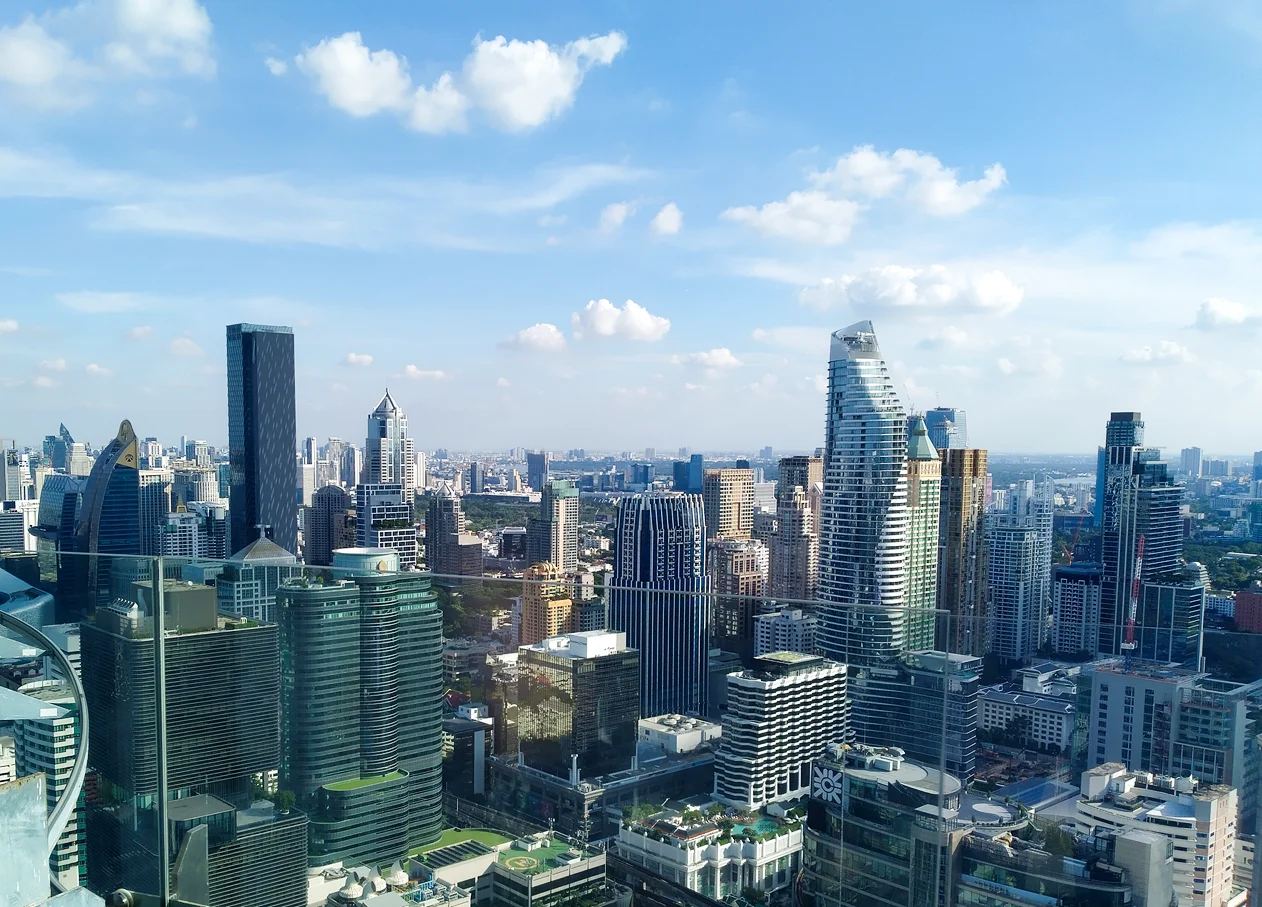
Bangkok — the best all-rounder
- Why: easy international connections, hospitals with Western standards, English-speaking services, coworking scene, and an enormous supply of condominium stock near BTS/MRT lines.
- Where: Sukhumvit (phases near Thonglor, Ekamai for upscale options; On Nut and Phra Khanong for better value), Sathorn and Silom (business district), Ari and Phrom Phong for residential comfort. Condos near BTS/MRT stations command a premium, but you’ll still find luxury-standard units at rents lower than comparable Western cities. Use local listings to compare units by amenity and neighborhood. (Prime Property in Thailand)
Phuket / Samui / Krabi — beach lifestyle without the foreign premiums
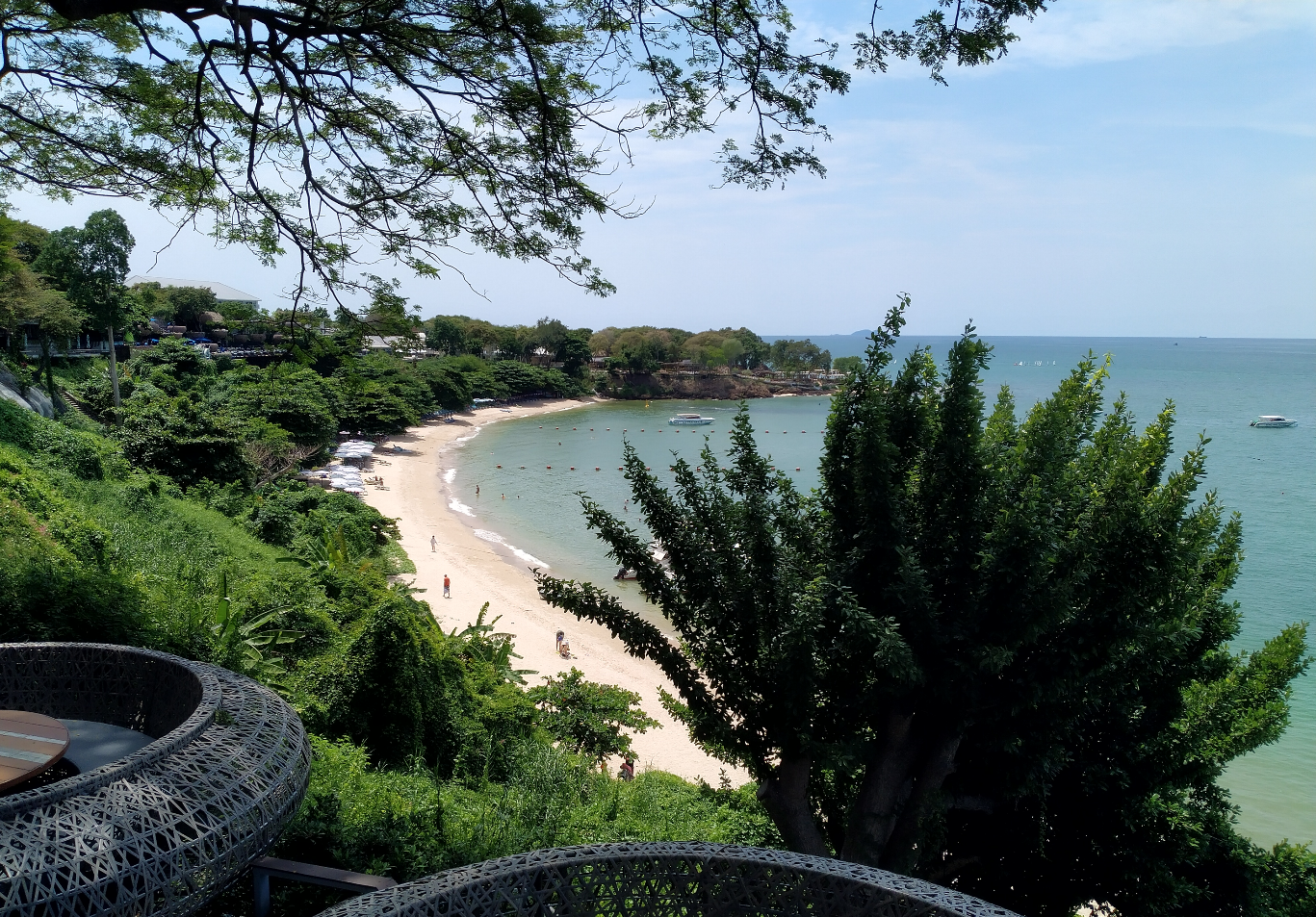
- Why: island living with strong tourist infrastructure and plentiful luxury villas and resort-style condos, often available for long-term rent at deep discounts outside peak season.
- Where: central Patong is busy; for more refined living look north of the island or in quieter east coast spots and smaller islands.
Pattaya — short ferry from Bangkok, strong rental inventory
- Why: infrastructure and services aimed at long-stay tourists and expats; lower price points for resort-like condos. Good for families and retirees.
Chiang Mai — affordable city with a slower pace
- Why: excellent for remote professionals, lower monthly costs, strong expat community, good healthcare options for a mid-sized city. An excellent value play for those prioritizing quiet life, quality food and cultural access.
For a tailored, up-to-date property search and local guidance, use specialist agencies — Prime Property Thailand lists condos and rental units in all these areas and can connect you with agents and viewing appointments. (Prime Property in Thailand)
How much you can realistically save (sample budgets)
The exact savings depend on lifestyle, but the following illustrative scenarios show why moving can be financial game-changing. (These are pattern-based estimates drawing on widely available cost-of-living comparisons; please use them as indicative examples, not precise forecasts.)
Scenario A — Single professional (city-focused)
- Typical rent in London/Central London 1BR (monthly): high — many pay £1,200–£2,000+. In Bangkok, an equivalent modern 1BR in a secure building near BTS can be rented for a fraction — often 30–60% lower depending on neighborhood and unit. Numbeo comparisons show Thailand costs (including rent) substantially lower than the UK. (Numbeo)
- Other monthly costs (food, transport, utilities): groceries and transport costs in Bangkok can be 40–60% lower than in London or major U.S. cities. Savings: on a conservative calculation you could save several hundred to over a thousand dollars per month.
Scenario B — Couple or small family (comfort-first)
- A 2BR condo with pool/gym in central Bangkok or a family-friendly development in Phuket often costs less than similar amenities in an increasingly poor value British city like Manchester, or Canadian would-be expats moving out of an escalating situation in Toronto. Numbeo city comparisons show the differential in required income to achieve the same standard of life. (Numbeo)
Scenario C — Someone paying mortgage/rent in Hong Kong
- Hong Kong’s rent and property prices are famously extreme. Moving even part-time to Thailand and renting long-term can radically reduce housing outlay; Hong Kong ranks near the top of cost indexes for Asian cities, whereas Bangkok’s index is far lower, offering clear room to breathe. (Numbeo)
These are conservative examples. The exact saving depends on exchange rates, lifestyle choices, whether you maintain property back home, and how much you’re willing to trade for different climate and culture. But the principle — housing-driven savings coupled with generally lower day-to-day costs — is robust.

Practical steps: how to find a cheap luxury condo and avoid common pitfalls
- Decide your priorities
- Work access (BTS/MRT proximity), healthcare availability, international school nearby (if you have children), proximity to airport and leisure preferences. Prioritize three must-haves; compromise on the rest.
- Use specialist portals and local agents
- Global listing sites are fine for research, but to find the best long-term rental deals, use specialist Thai property platforms and local agents who understand negotiated long-stay pricing and off-market units. Prime Property Thailand lists rental categories across the country and advertises “best rate” and bargain listings — a practical starting point. (Prime Property in Thailand)
- Negotiate term length
- Landlords prefer longer-term tenants. If you’re willing to sign a six-month to one-year lease (or longer), you can often negotiate a significantly lower monthly rate — sometimes a discount equivalent to one month free or more. Try the off-season for beach areas.
- Inspect the property in person or by video
- Don’t rely solely on photos. Arrange video walkthroughs or viewings through the agent. Check water pressure, air conditioning, signs of damp, kitchen equipment and Wi-Fi speed.
- Understand what’s included
- Some condos include water/electricity up to a limit, some include cleaning, some add security deposit conditions. Ask for all costs in writing.
- Local services and hidden costs
- Budget for utility bills (electricity can spike with heavy AC use), internet, parking, building maintenance and condominium common charges (called the “sinking fund” or maintenance fee). These are generally lower than in Western cities, but they exist.
- Safety and legal basics
- Confirm the building has proper permits, management company credentials, and clear contract terms. If you plan to stay long-term or buy later, ask the agent about ownership rules (foreign ownership, leaseholds, etc.). Prime Property Thailand offers guidance on land ownership options and can help with paperwork and loans for non-Thai nationals. (Prime Property in Thailand)
Visas, healthcare, taxes — the essentials
Visas
Thailand offers a variety of visa options for long-stay visitors, retirees, and investors. Rules change periodically, so check the Thai immigration website and get fresh advice from a reliable agent or a legal adviser before you commit. Prime Property Thailand also offers visa and permit guidance to prospective long-stayers. (Prime Property in Thailand)
Healthcare
Thailand has high-quality private hospitals and clinics in major centres like Bangkok and Phuket, often at lower cost than equivalent care in the U.S. or UK for paid private care. International health insurance is advisable for expats.
Taxes
Tax residency and reporting obligations depend on your nationality and time spent in Thailand. If you retain income or property in your home country, consult an international tax adviser to understand double-tax treaties and reporting requirements.
A step-by-step relocation blueprint (12-week plan)
Weeks 1–2: Research and shortlist
- Use cost-of-living tools and property platforms to shortlist 3–6 condos in your preferred city. Bookmark Prime Property Thailand pages for those areas and request information packs. (Prime Property in Thailand)
Weeks 3–4: Budget and logistics
- Run a realistic budget that includes rent, utilities, insurance, travel, and an emergency buffer. Get accurate flight and shipping estimates if you plan to move belongings.
Weeks 5–6: Book flights and temporary stay
- Reserve a short-term apartment or hotel for your initial arrival (2–4 weeks) and schedule in-person property viewings.
Weeks 7–8: Inspect and negotiate
- View your shortlist, test internet speeds, check commutes and local grocery/medical access. Negotiate 6–12 month rental rates and request clear contract terms. Agents can often arrange additional discounts for longer-term payments.
Weeks 9–10: Finalize paperwork
- Sign lease, set up utilities and internet, open a local bank account (if appropriate), and transfer funds with care for favorable exchange rates.
Weeks 11–12: Move in and settle
- Register for local services, learn local transport routes, and connect with local expat communities. If you plan to stay very long-term, begin visa application steps.
Common objections and realistic answers
“Won’t I lose my job or career momentum?”
- Many professionals keep their jobs and work remotely. If your role requires physical presence, consider hybrid arrangements or relocate within your employer’s international footprint. Thailand has strong coworking options and reliable internet in major centres.
“Is it safe?”
- Large modern condominiums offer secure access, CCTV and on-site security. As with any city, exercise normal caution, but the common expat experience in Bangkok, Phuket and Chiang Mai is that these places are safe for long-stay foreigners.
“What about culture shock?”
- Thailand is welcoming to foreigners and boasts large expat communities. Language barriers exist but English is widely spoken in business and service sectors. Many newcomers say the initial adjustment period is short, and their quality of life improves once they settle.
“Aren’t there hidden fees?”
- Always read the lease. Expect deposits (often one to two months’ rent), utility billing, and condominium management fees. Experienced agents can explain these clearly and help minimize surprises. Prime Property Thailand explicitly mentions free, impartial advice on visas, permits and paperwork — useful if you prefer guided assistance. (Prime Property in Thailand)
Case study: a practical example (anonymized)
A mid-30s professional in London earning a typical city salary faced rents of £1,500+ for a compact one-bedroom. After researching options and speaking to a Thai property specialist, they signed a 12-month lease on a modern one-bedroom condo in Bangkok, close to BTS, with gym and pool. Their monthly housing cost halved. With lower food and transport costs, the household discretionary spend increased, and the stress associated with the London rental market evaporated. This type of case is increasingly common; many agencies report growing enquiries from people in the UK, USA, Canada and Hong Kong looking to “escape” the high-cost zones and secure higher quality of life for less. For those exploring options, local property platforms including Prime Property Thailand publish targeted rental and “bargain” sections to make the search faster. (Prime Property in Thailand)
How to maintain credit, pensions and ties back home
- Pensions and benefits: Check with pension providers and benefits offices in your home country about how long you can be abroad without affecting entitlements.
- Credit history: Keep a local correspondence address, notify banks of your move, and maintain at least one bank account in your home country to preserve credit lines if you plan to return.
- Property back home: Decide whether to retain, rent out, or sell property at home. Renting back home can generate income but carries landlord responsibilities; selling may free capital to secure a Thai property or long-term rental. Get professional advice.
Final checklist before you commit
- Have you confirmed visa requirements for your nationality?
- Have you arranged at least one in-person viewing or a credible video tour?
- Is the lease clear on deposit, maintenance and exit terms?
- Do you have international health insurance coverage effective from your start date?
- Have you budgeted for the initial moving costs and set aside a three-month emergency buffer?
If you can answer “yes” to these, you are ready to act.
Conclusion: practical, not utopian
Relocating to Thailand to rent a cheap luxury condo is a practical, data-backed strategy to escape the cost-of-living crisis in expensive home economies. It’s not a lifestyle for everyone — but for many professionals, couples and retirees it represents a realistic path to lower housing costs, greater discretionary income and a better quality of life. The core advantage is simple: housing is the largest single expense in most household budgets, and Thailand’s rental market offers genuine value on modern, secure condos with resort-like facilities.
If you’re ready to explore options, start with a focused property search on a specialist platform such as Prime Property Thailand (https://www.prime-property-thailand.com/). Their listings cover condos and villas across Bangkok, Phuket, Pattaya and more, and they provide resources on renting, visas and buying — a pragmatic first step for anyone serious about moving from a high-cost home to a more affordable, quality life in Thailand. (Prime Property in Thailand)
Selected references and sources
- Prime Property Thailand — property listings, rental guides and service information. (Prime Property in Thailand)
- Numbeo — cost-of-living comparisons and indices (United States vs Thailand; United Kingdom vs Thailand; Canada vs Thailand; city-level comparisons showing Hong Kong’s high ranking vs Bangkok). (Numbeo)