

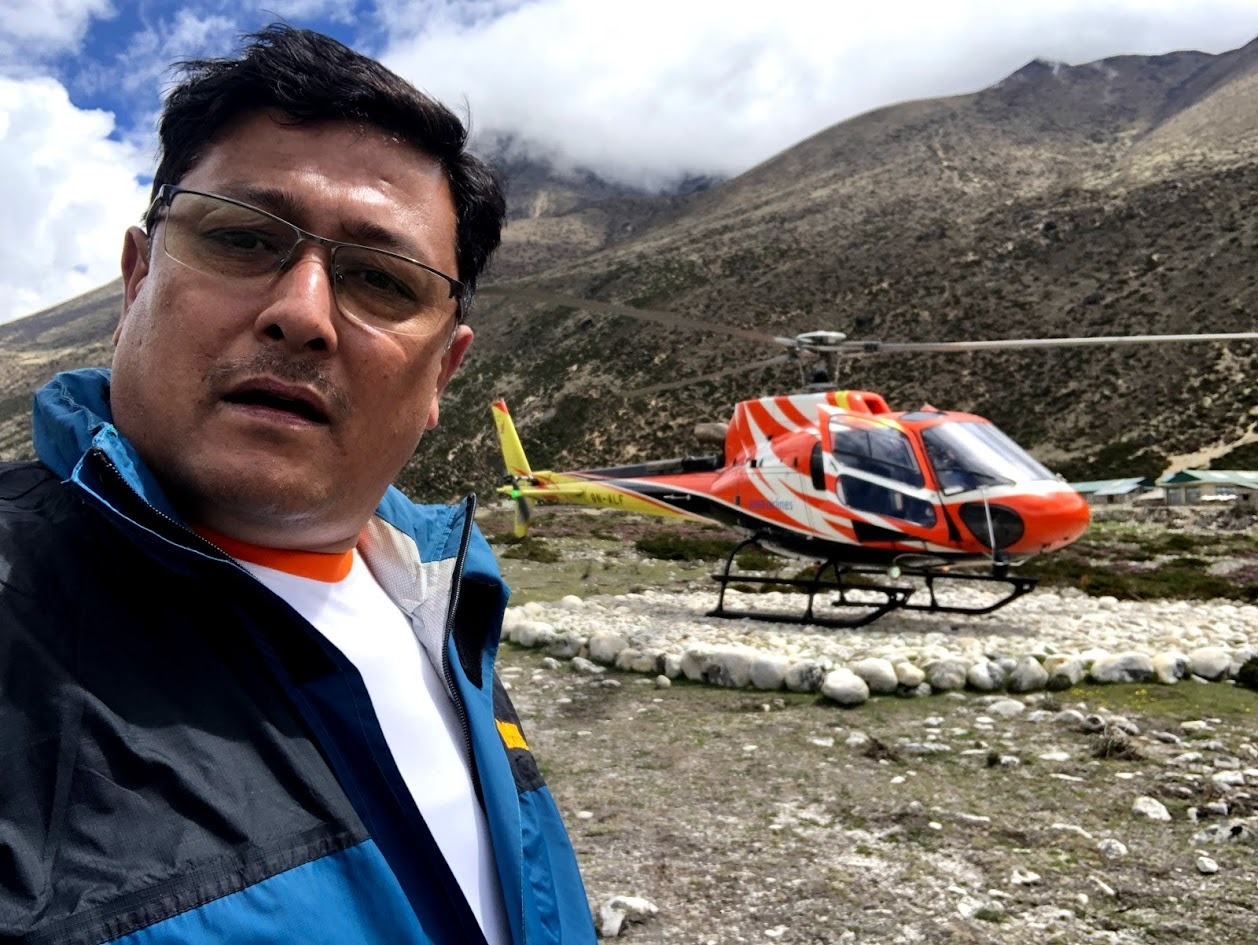
Nepal is home to some of the most iconic trekking routes in the world, and none are more celebrated than the journey to Everest Base Camp and the adventurous Three Passes Trek. Whether you’re seeking a classic Himalayan experience with a luxurious return or a challenging high-altitude circuit, understanding both the Everest Base Camp trek heli return price and the Three Passes Trek Nepal itinerary is essential for planning your trip effectively.
This guide breaks down costs, logistics, and detailed itineraries to help you choose the trek that aligns with your goals, time, and budget.
Everest Base Camp Trek with Heli Return: Overview
The Everest Base Camp (EBC) trek is one of the most famous trekking routes on Earth. Traditionally, it takes around 12–14 days round trip. However, a growing number of trekkers now prefer the heli return option, which allows them to trek up to base camp and fly back by helicopter, saving time and reducing physical strain.
Why Choose a Heli Return?
- Saves 3–4 days of trekking
- Offers breathtaking aerial views of the Himalayas
- Ideal for travelers with limited time
- Reduces fatigue and risk of overexertion
Everest Base Camp Trek Heli Return Price
The Everest Base Camp trek heli return price varies depending on group size, season, and level of service. Here’s a realistic breakdown:
Average Cost Range
- Group joining basis: $2,800 – $3,800 per person
- Private heli charter: $3,500 – $5,500 per person
- Luxury packages: $5,000 – $8,000+
Cost Components
- Trekking Package
- Guide and porter services
- Accommodation (tea houses or lodges)
- Meals during trek
- Permits (Sagarmatha National Park, TIMS)
- Helicopter Return
- Shared flights reduce cost significantly
- Private charters cost more but offer flexibility
- Flights
- Domestic flight from Kathmandu to Lukla
- Miscellaneous
- Travel insurance (mandatory)
- Gear rental or purchase
- Tips and personal expenses
Key Price Factors
- Season: Spring (March–May) and autumn (Sept–Nov) are more expensive
- Group size: Larger groups lower heli costs
- Luxury level: Premium lodges increase total cost
Typical Everest Base Camp Trek with Heli Return Itinerary (8–10 Days)
Here’s a shortened itinerary using the heli return option:
Day 1: Fly to Lukla, trek to Phakding
Day 2: Trek to Namche Bazaar
Day 3: Acclimatization in Namche
Day 4: Trek to Tengboche
Day 5: Trek to Dingboche
Day 6: Acclimatization day
Day 7: Trek to Lobuche
Day 8: Reach Everest Base Camp and Gorakshep
Day 9: Helicopter return to Kathmandu
This itinerary allows you to experience the full ascent while skipping the descent.
Three Passes Trek Nepal Itinerary: The Ultimate Adventure
If the Everest Base Camp trek is iconic, the Three Passes Trek is legendary. It is the most comprehensive trekking route in the Everest region, crossing three high-altitude passes:
- Kongma La Pass (5,535m)
- Cho La Pass (5,420m)
- Renjo La Pass (5,360m)
This trek is physically demanding but offers unmatched scenery and fewer crowds.
Detailed Three Passes Trek Nepal Itinerary (18–21 Days)
Phase 1: Entry and Acclimatization
Day 1: Fly to Lukla, trek to Phakding
Day 2: Trek to Namche Bazaar
Day 3: Acclimatization in Namche
Namche Bazaar is the gateway to Everest and a critical acclimatization stop.
Phase 2: Kongma La Pass
Day 4: Trek to Tengboche
Day 5: Trek to Dingboche
Day 6: Acclimatization
Day 7: Trek to Chhukung
Day 8: Cross Kongma La Pass → Lobuche
This is the first and one of the toughest passes, requiring stamina and proper acclimatization.
Phase 3: Everest Base Camp Section
Day 9: Trek to Gorakshep, visit Everest Base Camp
Day 10: Hike to Kala Patthar, trek back to Dzongla
Kala Patthar offers the best panoramic view of Mount Everest.
Phase 4: Cho La Pass
Day 11: Cross Cho La Pass → Gokyo
Day 12: Explore Gokyo Lakes
The turquoise lakes in Gokyo Valley are among the most beautiful sights in Nepal.
Phase 5: Renjo La Pass
Day 13: Cross Renjo La Pass → Lungden
Day 14: Trek to Thame
Day 15: Return to Namche Bazaar
Renjo La is considered the most scenic of the three passes.
Phase 6: Return
Day 16: Trek to Lukla
Day 17: Fly back to Kathmandu
Cost of Three Passes Trek Nepal
The Three Passes Trek is generally more affordable than heli-return packages but requires more time.
Average Cost
- Budget trek: $1,500 – $2,000
- Standard guided trek: $2,000 – $3,000
- Luxury option: $3,500+
Cost Includes
- Permits
- Guide/porter
- Accommodation
- Meals
Everest Base Camp Heli Return vs Three Passes Trek
| Feature | EBC Heli Return | Three Passes Trek |
|---|---|---|
| Duration | 8–10 days | 18–21 days |
| Difficulty | Moderate | Challenging |
| Cost | Higher | Moderate |
| Scenery | Classic Everest views | Diverse and remote landscapes |
| Experience | Short and efficient | Full Himalayan immersion |
Which Trek Should You Choose?
Choose Everest Base Camp with Heli Return if:
- You have limited time
- You prefer comfort and efficiency
- You want a mix of trekking and luxury
- Budget is not a major constraint
Choose Three Passes Trek if:
- You are an experienced trekker
- You want a challenging adventure
- You prefer fewer crowds
- You want to explore the entire Everest region
Best Time to Trek
Both treks are best done during:
- Spring (March–May): Clear skies, blooming rhododendrons
- Autumn (September–November): Stable weather, best visibility
Winter and monsoon seasons are less favorable due to extreme cold and heavy rainfall.
Final Thoughts
The choice between understanding the Everest Base Camp trek heli return price and committing to a Three Passes Trek Nepal itinerary ultimately depends on your priorities. If you value time, comfort, and a dramatic aerial return, the heli trek is an excellent investment. However, if you’re seeking a deeper, more rugged Himalayan experience, the Three Passes Trek offers unmatched adventure and satisfaction.
Both journeys showcase the grandeur of the Everest region, allowing you to experience the culture, landscapes, and spirit of Nepal in unforgettable ways.