

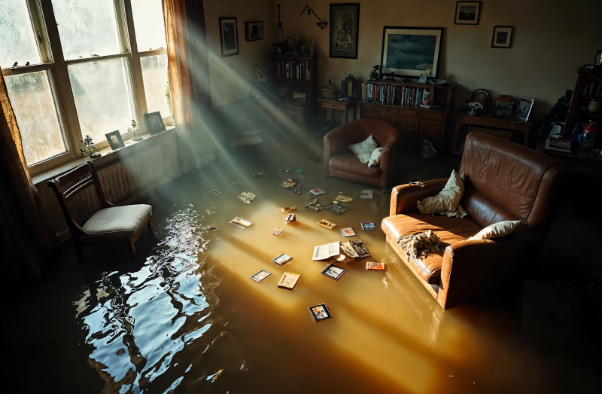
Flood damage can be too much to handle, but if you do things the right way, you can fix your home and stop more damage from happening. Flood damage can hurt your health, your belongings, and your building, whether it comes from a heavy rainstorm, broken pipes, or a natural disaster. Here are some professional tips to help you with the process of fixing flood damage.
1. Safety First: Look at the Situation
Make sure you are safe before you start any restoration work. If the floodwater is deep or there is a chance that the building will be damaged, leave right away. To avoid electrical hazards, turn off the gas and electricity. Wear protective gear like rubber boots, gloves, and a mask to avoid getting sick if the water level is low enough.
2. Get rid of standing water
The next step is to get rid of any water that is still there as soon as possible. To clean up the area, use a mop, a pump, or a wet/dry vacuum. The longer the water stays, the more damage it will do. You might need to hire a professional to get the water out if the flooding is really bad.
3. Get the Area Dry
To stop mold and mildew from growing, you need to dry out the area after the water is gone. Fans, dehumidifiers, and ventilation systems can help move air around. If you can, open doors and windows. If the weather is nice, think about bringing in more fans to help things dry faster.
4. Look for Damage That Isn’t Visible
Floodwater can get into walls, ceilings, and floors, which makes it hard to find damage that is hidden. Check your insulation, drywall, and wooden structures for signs that they are absorbing water. Throw away anything that can’t be saved, like soaked carpets, furniture, and insulation.
5. Clean and Disinfect
Floodwater often has things in it that are bad for you, like bacteria, chemicals, and sewage. To stay healthy, it’s important to clean and disinfect your home. To clean surfaces, mix bleach and water together. To stop mold from growing, make sure that all surfaces are completely clean and dry.
6. Look for Mold
Mold can start to grow within 24 to 48 hours of getting wet. Look for signs of mold, like a musty smell or spots on walls or ceilings that are different colors. If you find mold, it’s best to call in a professional to get rid of it the right way.
7. Call Water Damage Restoration Experts
It can be hard to clean up your home after a flood, and you might need help from a pro. A professional in water damage restoration can figure out how bad the damage is and give you the right tools and methods to fix it quickly. If you live in Greensboro, NC, you might want to check out Water Damage Restoration Greensboro NC for dependable help.
8. Fix and Rebuild
After the damage has been looked at and the area is dry, it’s time to fix it and build it back up. This could mean putting in new flooring, drywall, and insulation, as well as painting the walls and ceilings again. It’s important to hire professionals who can make sure the job is done right and will last.
9. Stop Damage from Future Floods
It’s important to do things to stop flooding from happening again after dealing with flood damage. You might want to think about putting in sump pumps, sealing up cracks in your foundation, and using the right drainage systems to keep water away from your property. Regular repairs and maintenance will keep your home safe from water damage in the future.
Conclusion
Restoring flood damage can be hard, but these expert tips will help you get the job done right. Don’t forget to put safety first, get rid of the water quickly, dry out your home, and call in the pros when you need them. If you do the right things, you can not only fix your home but also keep it from getting damaged by water in the future.
You can make sure that the flood damage restoration process goes smoothly and quickly by following these expert tips and working with professionals you trust. If your home has been damaged by water, don’t be afraid to call in professionals like ERX 24/7 to do a thorough and effective job.