

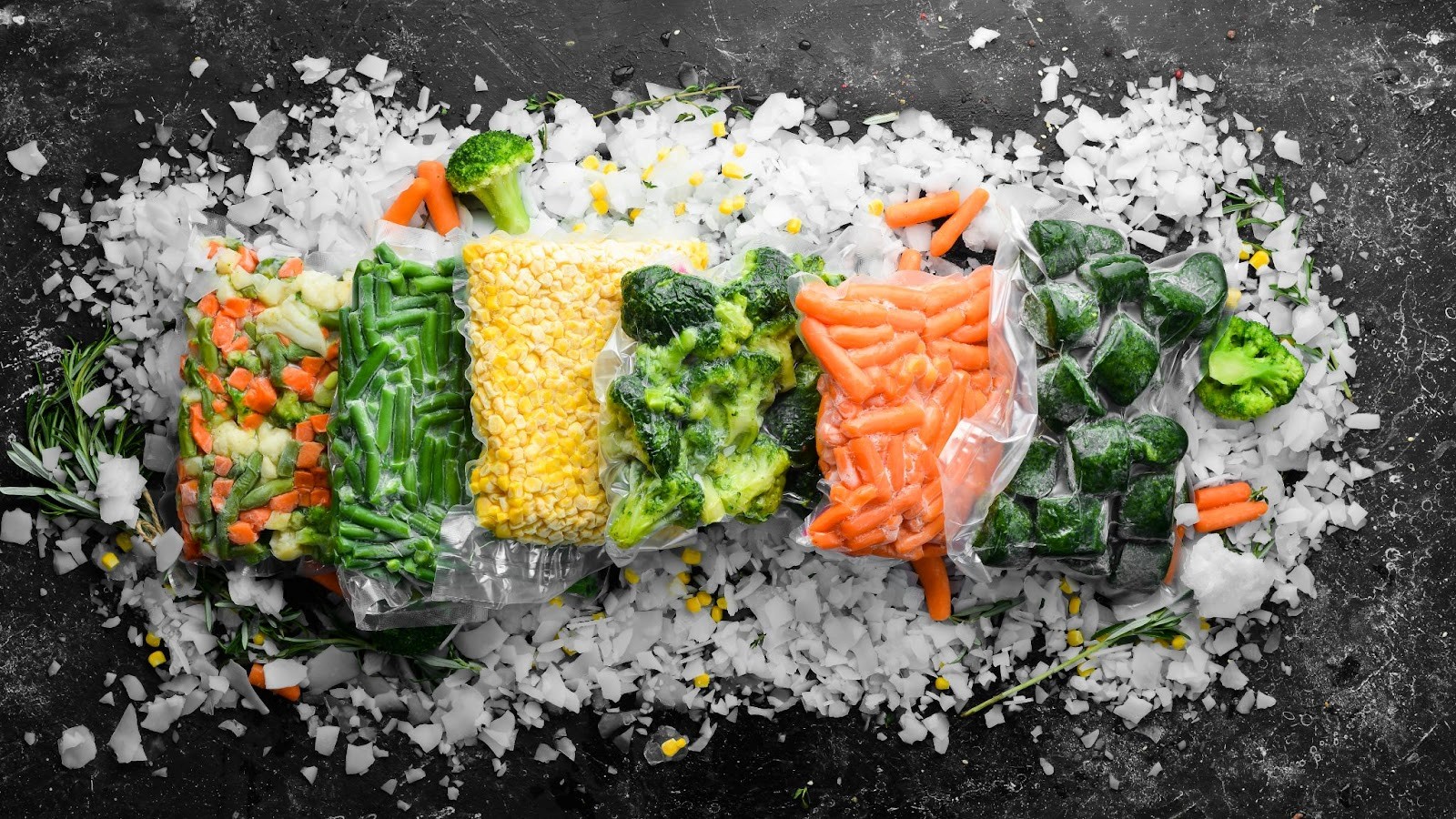
Imagine walking into your kitchen, opening your fridge, and realising half the food you bought last week has gone bad. It’s frustrating, isn’t it? Beyond the personal cost, about one-third of all food produced globally is wasted, and that’s a serious issue for both our wallets and the planet.
But here’s the good news: your freezer can be a powerful ally in this. Whether you are managing a large kitchen in a restaurant or simply meal prepping at home for the week, freezing food is indeed an effective method to keep your food fresher for longer.
Freezing food isn’t just about convenience; it’s about preserving freshness, saving money, and reducing food waste. Wondering how you do this correctly? Let us help you. In this guide, we’ll walk you through expert tips that make freezing food easy, effective, and even fun.
What are the Benefits of Freezing?
Freezing is one of the oldest and simplest ways to keep food fresh. But beyond practicality, it offers powerful benefits as listed below:
Nutritional Preservation:
Contrary to popular belief, freezing doesn’t destroy nutrients. In fact, frozen fruits and vegetables often retain more vitamins than their “fresh” counterparts that have been sitting on supermarket shelves for days.
Saving Money and the Planet:
Throwing away food is like throwing away money. By freezing food before it spoils, you stretch your grocery budget further. Plus, every bit of waste you prevent helps lower the massive environmental impact of food production.
The bottom line? Your freezer is not just a cold box; it’s a tool for smarter living.
Best Practices for Freezing Foods
Freezing food seems easy, but doing it the right way makes a huge difference in taste, texture, and safety. Here’s how to do it like a pro:
Optimal Freezing Techniques
Set the Right Temperature:
Keep your freezer at 0°F (-18°C) or lower to ensure food stays safe and fresh for months.
Freeze Quickly:
Rapid freezing forms smaller ice crystals. This helps maintain texture when thawed. Spread food out on trays first if possible, then pack once frozen solid.
Choose the Right Freezer Type:
The type of freezer you use can seriously impact food quality and efficiency.Chest freezers are the best for long-term storage. They maintain a more stable, colder temperature and are less likely to cause freezer burn because they don’t warm up as much when opened. Meanwhile, if you value quick access and upright storage for a short period, an upright freezer will make life easier. Choose the one that matches how you cook, shop, and store.
Proper Packaging
Choose the Right Containers:
Use freezer-safe bags, heavy-duty foil, or containers specifically designed for freezing. Ordinary plastic wraps or containers can crack or let air in.
Remove Air:
Air is the enemy! It causes freezer burn. Squeeze out as much air as you can from the bags before sealing.
Label and Date Everything
Before you pop anything in the freezer, label it clearly with the contents and the date. Trust us, six months from now, you won’t remember if that mystery bag is chicken or pork!
What are the Foods That Freeze Well?
Not everything freezes beautifully, but a lot of everyday foods do. Freezing these foods gives you a stocked kitchen ready for whatever you feel like cooking.
Here are some freezer all-stars:
Fruits and Vegetables:
Berries, bananas (peeled!), spinach, peas, and blanched broccoli or carrots all freeze well.
Tip- flash-freeze them individually first so they don’t clump together.
Proteins:
Meats, poultry, and seafood freeze wonderfully. Divide into meal-sized portions for easy thawing later.
Dairy Products:
Butter, shredded cheese, and even milk (with a little room in the container for expansion) freeze well.
Baked Goods:
This might be a new fact to most! Bread, muffins, tortillas, and even cookie dough can be frozen and used later without losing quality.
Herbs:
Chop fresh herbs and freeze them in ice cube trays with olive oil or water. In fact, they’re the instant flavour bombs for soups and stews!
What are the Foods You Should Not Freeze?
While freezing is amazing, it’s not magic. Knowing what not to freeze is just as important as knowing what you can! Some foods just don’t survive freezing well:
High-Water Content Veggies:
Vegetables like lettuce, cucumbers, and celery will turn limp and mushy.
Creamy Sauces:
Cream-based soups and sauces tend to separate and become grainy after freezing.
Fried Foods:
Anything deep-fried will lose its crispiness after freezing and reheating.
Once Frozen, Thaw and Reheat Safely
Freezing keeps food safe, but how you thaw it matters just as much. Poor thawing methods can cause bacteria to grow.
Best Thawing Methods:
In the Fridge:
The safest way. Place frozen food in the refrigerator the night before you plan to use it.
In Cold Water:
Submerge sealed food in cold water, changing the water every 30 minutes. It’s faster but needs attention.
In the Microwave:
Good for small items you need quickly, but plan to cook them immediately after microwaving.
Never thaw food at room temperature (like leaving it on the counter). Bacteria multiply quickly at room temperature, even if the centre is still frozen.
So, always remember, a little patience during thawing protects your health!
How to Organise Your Freezer?
A chaotic freezer is a recipe for forgotten food and, ironically, more waste. A little organisation goes a long way:
Keep an Inventory:
Stick a simple checklist on your freezer door. Knowing what you have saves time and money.
First In, First Out (FIFO):
Use the oldest items first. Push newer items to the back.
Freeze in Portions:
Divide large batches into smaller meal-sized packs. It’s easier to thaw just what you need, reducing leftovers and waste.
A neat freezer saves you time, money, and frustration.
Creative Uses for Frozen Foods
Frozen food isn’t just about survival meals. It can spark creativity in the kitchen.
Meal Prep Made Easy:
Cook large batches of meals like soups, casseroles, or pasta sauces and freeze them in individual portions.
Prepare Smoothie Packs:
Portion fruits and greens into bags for grab-and-blend smoothies. They are super quick and super healthy.
Try Soup Starters:
Save vegetable peels, carrot tops, herb stems, and other scraps in a bag. Once you have enough, make a delicious homemade broth.
Wrapping Up
Freezing food isn’t just about convenience; it’s about taking control of your food, your money, and your impact on the world.
By following these expert tips, you’ll preserve more nutrients, reduce food waste, and make cooking easier and more fun. So next time you look at your leftovers or spot veggies about to go bad, don’t toss them. Instead, freeze them and feel good about it!
What’s your best freezing hack? Share it with us in the comments! Let’s help each other waste less and eat better.