

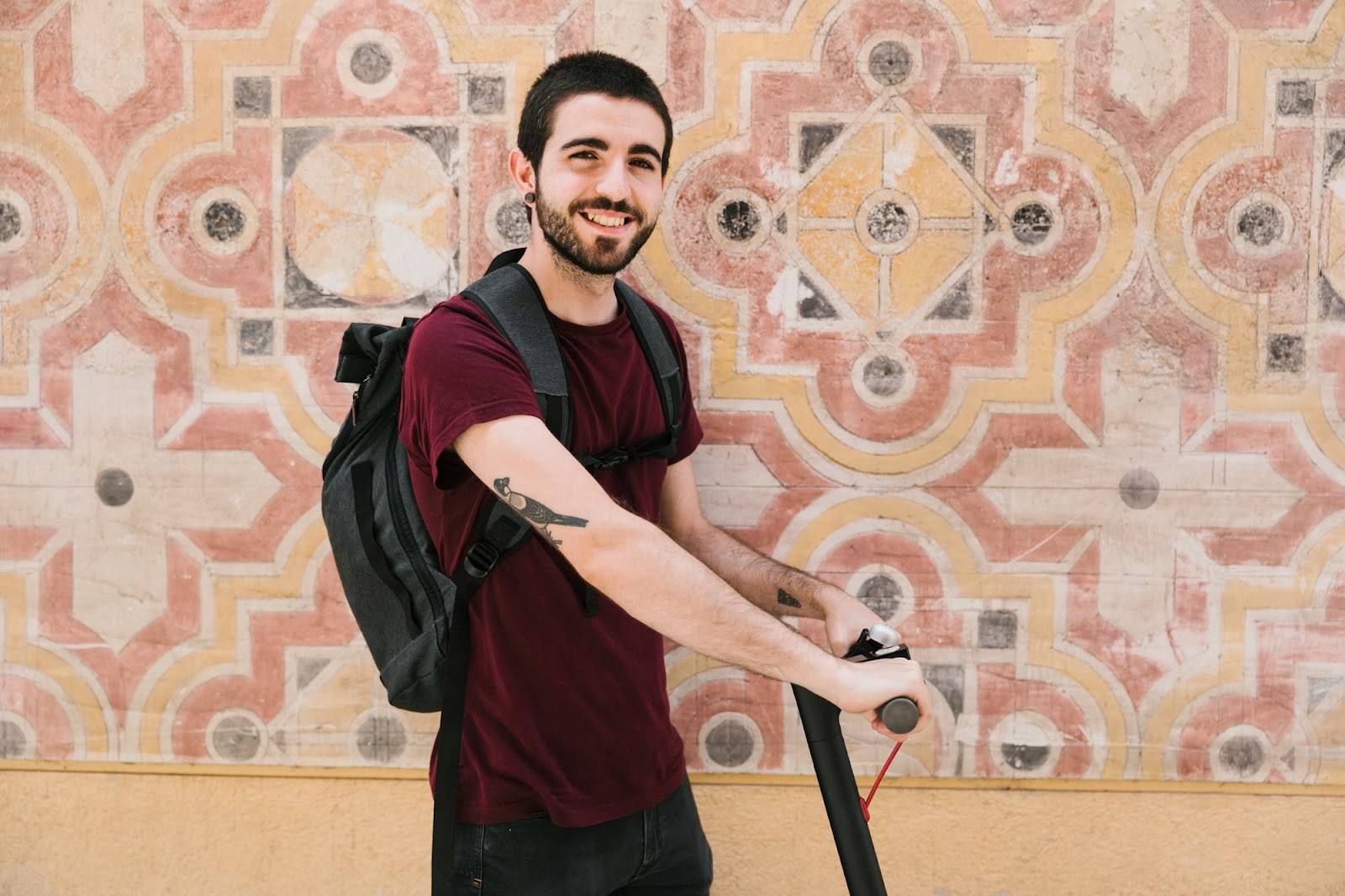
In New Zealand, tattoos are woven into the cultural fabric, especially within Māori communities where ta moko tells stories of whakapapa, identity, and pride.
From tattoo studios in Auckland to small parlours in Invercargill, Kiwis embrace ink as art, rebellion, or personal expression. This love for tattoos mirrors trends in many countries where body art is celebrated, from Polynesian designs in Samoa to intricate sleeves in the UK.
Yet, not every nation shares this view. Some enforce strict no-tattoo policies, rooted in religion, tradition, or social norms, making travel tricky for inked Kiwis.
This article explores eight such countries, offering insights for New Zealanders planning trips abroad in 2025, ensuring you can respect local rules while rocking your ink.
New Zealand’s tattoo culture
Tattoos hold deep meaning in New Zealand, especially ta moko, a sacred Māori practice that carves lineage and status into the skin. Modern tattoo studios in Auckland blend traditional techniques with contemporary styles, drawing locals and tourists alike. Across NZ, from skaters to professionals, tattoos signal individuality — think a fern on a surfer’s arm or a koru on a teacher’s shoulder.
Priced at $100–$500 per session, tattooing thrives in NZ’s open-minded culture, with no legal bans on designs or display. Yet, globally, some countries clamp down hard, viewing tattoos as taboo or even illegal. Knowing where you can and can’t get tattooed can save you hassle when travelling.
Countries with a strict no-tattoo policy
At the same time, there are countries where tattoos are not part of their culture or heritage, hence best avoided or covered. Here are eight nations where tattoos face tight restrictions, often due to cultural, religious, or legal reasons. Each poses unique challenges for inked travellers.
1. Iran
While not outright banned, tattoos in Iran are heavily restricted and often viewed as Western influences that clash with Islamic values. The authorities may connect them with immorality or even label them as “devil worship”.
Although Sharia Law didn’t strictly prohibit tattoos, visible ink — especially if religious, like a cross or a Buddhist symbol, can lead to arrest, fine, or public shaming.
For Kiwis visiting Persepolis or Tehran’s bazaars, long sleeves are strongly recommended, even in summer heat. Tattoos can attract unwanted attention from authorities or locals, so it is safer to keep them covered up. If you are inked, pack breathable layers — you’ll thank yourself later.
2. United Arab Emirates
In the UAE, tattoos aren’t illegal but are seen as self-harm, forbidden under Islamic law. Visible ink, especially on hands or faces, can bar entry to mosques, malls, or workplaces like airlines. Dubai’s glitzy vibe might seem lenient, but the General Authority of Islamic Affairs frowns on tattoos, and offending designs risk a lifetime ban.
NZ travellers to Dubai or Abu Dhabi should pack lightweight scarves or long tops to cover up and show respect.
3. Sri Lanka
Sri Lanka’s deep Buddhist roots make tattoos of Buddha or Buddhist symbols a serious offence. Such ink is viewed as blasphemous, leading to arrests or deportation, as seen in 2014 when a British tourist was detained for a Buddha tattoo. Non-religious tattoos are fine, but should stay covered in temples or rural areas.
For Kiwis eyeing Colombo’s beaches or Kandy’s temples, bandage patches or sleeves work well as a mark of respect for local beliefs — and keep your trip smooth.
4. Japan
Japan’s no-tattoo stance stems from tattoos’ link to Yakuza crime gangs. While not illegal, visible ink is banned in many onsens, gyms, pools, and some hotels. Signs at hot springs often say “no tattoos”, shocking inked tourists.
Attitudes are softening in cities like Tokyo, especially post-Olympics, but rural spots stay strict. NZ visitors should check venue policies or book tattoo-friendly onsens only. Covering tattoos with plasters or rash guards helps you soak without stress.
5. South Korea
South Korea restricts tattooing to licensed doctors, citing health risks like hepatitis. This makes legal tattoo studios rare, pushing the scene underground. Publicly, tattoos carry a stigma, tied to gangs, and are absent from ads or TV. In Seoul, urban youth may sport ink, but rural areas or workplaces like the military frown on it.
Kiwis visiting Busan or Jeju should cover tattoos in formal settings, using long sleeves or makeup. Recent laws allow beauticians to do permanent makeup, but body art remains tricky.
6. North Korea
North Korea doesn’t ban tattoos, but it tightly controls their content. Ink must praise the Kim family or state ideology, like slogans such as “Defend the Great Leader”. Religious or Western designs can lead to prison or hard labour. Tourists, rare as they are, must cover non-approved tattoos to avoid deportation.
For NZ travellers, this destination is a long shot, but it is recommended to completely conceal tattoos if you go. Long clothing is non-negotiable to dodge severe penalties.
7. Thailand
Thailand, like Sri Lanka, has banned tattoos of Buddhist imagery, including Buddha, since 2011. Seen as disrespectful, such ink can spark arrests or fines, especially in temples or rural areas. Non-religious tattoos are generally okay, thanks to tourism, but covering up in sacred sites like Bangkok’s Grand Palace is wise.
NZ tourists should use lightweight cover-ups or bandages — a trick, to enjoy markets and beaches without offending locals. Respect keeps you out of trouble in this popular spot.
8. Denmark
In Denmark, tattooing the face, hands, and neck has been illegal since 1966, a law rooted in concerns about professionalism and social perceptions. While some Danes get these tattoos abroad or through local artists willing to break the rule, enforcement is lax, and the ban faces calls for repeal as attitudes shift. The restriction applies to tattooists, not individuals with tattoos.

Navigating strict policies as a Kiwi
For New Zealanders, whose tattoo culture thrives in places like tattoo studios in Auckland, these restrictions can feel jarring. Here’s how to travel smart.
- Cover up strategically
Pack long sleeves, scarves, or waterproof bandage patches. Makeup from brands like Dermablend, available at NZ pharmacies, hides smaller tattoos. These work in Iran, the UAE, or Japan’s onsens.
- Research venues
Check the hotel or onsen policies online. Japan’s tattoo-friendly bathhouses, like those in Osaka, welcome inked guests. Email ahead to confirm and avoid embarrassment.
- Know the culture
Religious tattoos—Buddhist in Sri Lanka, Islamic in the UAE—need extra care. Study local beliefs via travel blogs or NZ’s Ministry of Foreign Affairs site to avoid missteps.
- Respect local laws
Fines, jail, or deportation aren’t worth a flash of ink. In Sri Lanka or Iran, compliance keeps you safe. NZ’s open culture doesn’t apply everywhere.
Why it matters for Kiwis
New Zealand’s tattoo scene, from ta moko to modern designs, is a point of pride, with tattoo artists leading the charge. But global travel means respecting other norms.
Iran’s stricter adherence to tattoo restrictions or Japan’s Yakuza stigma can clash with NZ’s ink-positive vibe, where 20% of adults sport tattoos. Ignoring such rules risks more than a frown—fines start at $500 in some countries, and jail time looms for religious ink.
Covering up costs little (bandages at $10 a pack) and keeps your trip hassle-free.
Final thoughts
New Zealand’s tattoo culture, vibrant in tattoo studios in Auckland and beyond, celebrates ink as identity and art, from ta moko to streetwear-inspired designs. Yet, countries like Iran, the UAE, Sri Lanka, Japan, Denmark, South Korea, North Korea, and Thailand enforce strict tattoo policies, driven by religion, tradition, or social stigma. For Kiwis, this means planning — covering ink, researching venues, and respecting local laws. Whether you’re a mechanic with a sleeve or a punk with a chest piece, these steps keep your travels smooth. In 2025, embrace NZ’s tattoo pride but pack a cover-up to explore the world respectfully.