

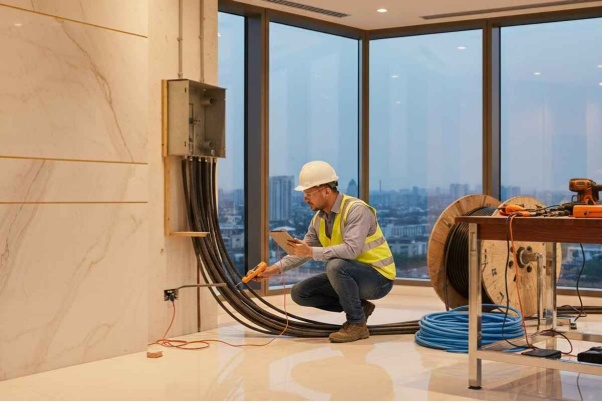
Managing project costs is a critical aspect of Civil Electrical Engineering KL projects. The city’s rapid urban development and dense infrastructure create unique challenges for engineers and project managers. Accurately estimating costs ensures budgets are maintained, projects finish on time, and client expectations are met effectively. Civil electrical projects involve power distribution, lighting systems, and electrical infrastructure requiring precise planning.
The dynamic construction environment in KL, combined with fluctuating material prices and strict regulations, makes cost management essential. Engineers must account for multiple variables to develop realistic budgets that avoid overruns. Understanding these factors helps stakeholders optimize resources efficiently and make informed decisions. This article explores the main factors influencing project costs in civil electrical engineering projects in KL.
Factors Influencing Project Costs
1. Location and Site Conditions
The location of a project in KL significantly affects overall costs due to urban density and accessibility challenges. Urban projects may require extra expenses for traffic management and limited space for equipment. Civil Electrical Engineering KL projects in difficult terrain or restricted sites may face higher labor and transportation costs. Proper site evaluation is essential for accurate budgeting and planning in electrical projects.
Suburban or undeveloped areas may incur costs for land clearing, leveling, and utility connections. Underground utilities and nearby infrastructure can complicate electrical installations. Site accessibility affects transportation costs and labor efficiency. Considering these factors early helps prevent unexpected expenses during the project.
2. Project Design Complexity
Projects with complex designs require advanced planning, specialized expertise, and detailed engineering drawings. Multiple electrical circuits, intricate layouts, and smart systems increase installation time and labor costs. Design complexity may also demand higher-quality materials and specialized equipment. Budgeting must account for these factors to prevent overruns during execution.
Complex systems can also affect future maintenance costs and operational efficiency. Engineers must balance functionality with budget limitations to achieve practical solutions. In high-rise buildings or commercial complexes, design complexity becomes a significant cost factor. Proper coordination among teams ensures efficiency and cost control throughout the project.
3. Material Costs
Material costs are one of the most direct contributors to project expenses in KL. Prices for electrical components, wiring, conduits, and fixtures fluctuate due to supply, demand, and import regulations. Poor-quality materials can lead to delays, additional maintenance, and higher long-term costs. Efficient procurement planning minimizes wastage and ensures budgets remain on track.
Choosing the right suppliers and sourcing materials locally or internationally influences overall costs. Bulk purchases can reduce unit costs, but storage and transportation must be considered. Material cost management is critical for controlling project expenditure and ensuring quality. Proper planning prevents unexpected increases in project budgets.
4. Technology and Equipment
Incorporating advanced technology improves efficiency but can increase project costs initially. Intelligent electrical systems, energy-efficient equipment, and automation require investment in hardware and software. Specialized machinery for installation also contributes to upfront expenses, including equipment like Scrubber System Malaysia for industrial projects. Training staff to operate new equipment adds additional indirect costs to the project.
While expensive, technology integration reduces long-term operational costs and enhances system reliability. In KL, where modern infrastructure demands innovation, adopting advanced technology is often necessary. Early planning and cost allocation for technology prevent budget surprises. Strategic use of equipment ensures projects are both efficient and sustainable.
5. Regulatory Compliance
Compliance with local electrical codes and safety regulations in KL is mandatory. Projects failing to meet standards may face fines, delays, or redesign requirements. Civil Electrical Engineering KL projects require careful budgeting for permits, inspections, and documentation. Regular inspections and documentation ensure that projects adhere to required standards.
Regulatory compliance also reduces risks associated with legal penalties and work stoppages. Engineers must integrate compliance costs into initial estimates for accurate budgeting. Following regulations protects both workers and infrastructure investments. Proactive management of regulatory requirements prevents costly disruptions.
6. Scale of a Project
The scale of a project directly impacts material, labor, and time requirements. Larger projects, such as commercial buildings or industrial complexes, need extensive electrical networks and more resources. Small-scale projects may be simpler but lack economies of scale, affecting overall cost efficiency. Evaluating project size helps allocate resources appropriately and manage budgets effectively.
Project scale influences the complexity of electrical systems, including load requirements and backup systems. Accurate planning is essential to avoid overspending on unnecessary components. Larger projects also require detailed scheduling and resource allocation. Proper assessment ensures costs align with project scope and objectives.
7. Length of a Project
Project duration affects labor, equipment rentals, and administrative expenses over time. Longer projects face higher labor costs due to extended contracts and overtime. Material price fluctuations during long projects can increase budgets unexpectedly. Shorter projects may demand faster execution, increasing workforce intensity and cost per unit of work.
Balancing project length with available resources is crucial for cost efficiency. Proper scheduling reduces risks of delays and additional expenses. Project duration also influences contingency planning and risk management strategies. Effective timeline management ensures costs remain within projected limits.
8. Type of Contract
The type of contract determines how costs and risks are shared between stakeholders. Fixed-price contracts provide budget certainty but may increase costs if unforeseen issues arise. Cost-plus contracts offer flexibility but require close monitoring to prevent overspending. Selecting the right contract type affects Civil Electrical Engineering KL financial management significantly.
Contract choice also impacts responsibility for material price changes, labor, and design modifications. In KL, careful evaluation of contract terms ensures balanced risk distribution. Understanding contract implications helps avoid disputes and ensures smoother project execution. Proper planning around contracts contributes to predictable project costs.
9. Safety Measures
Safety measures are crucial in civil electrical projects to prevent accidents and liabilities. Protective gear, training programs, and emergency plans incur additional costs. However, safety compliance avoids costly incidents, legal penalties, and project delays. Incorporating safety into budgets ensures worker well-being and operational continuity.
Electrical hazards, working at heights, and heavy machinery require strict adherence to regulations. Regular safety audits help maintain standards and prevent risks. Investments in safety reduce potential financial losses from accidents. Maintaining a safe environment protects both personnel and project assets.
10. Inflation and Market Trends
Inflation and market conditions directly affect material, labor, and equipment costs. Prices in KL can fluctuate due to global supply chain changes, affecting project budgets. Civil Electrical Engineering KL project managers must monitor trends to maintain financial control. Ignoring market trends can result in unexpected cost overruns.
Economic forecasting helps allocate contingency funds and manage procurement strategies. Cost adjustments based on inflation prevent financial strain during construction. Understanding market dynamics ensures projects remain within budget. Careful planning mitigates risks of unforeseen economic shifts.
11. Stakeholder Requirements
Stakeholder expectations influence project scope, quality, and budget. High-quality finishes, sustainable systems, or advanced features can increase costs. Early communication ensures alignment between client needs and financial constraints. Managing expectations avoids costly changes during construction phases.
Incorporating stakeholder input in the design phase reduces modifications later. Continuous engagement ensures deliverables meet requirements within budget limits. Proper documentation of expectations minimizes disputes and scope creep. Balancing needs and costs is essential for successful project completion.
12. Maintenance Considerations
Planning for maintenance affects both initial investment and long-term costs. Durable materials, accessible layouts, and reliable systems reduce repair frequency and operational expenses. Projects without maintenance planning may face higher costs and downtime. Integrating maintenance considerations ensures longevity and efficiency of electrical infrastructure.
Maintenance planning is particularly important in KL due to dense infrastructure and high usage. Lifecycle cost analysis helps identify cost-saving opportunities. Properly designed systems reduce the burden of repairs and replacements. Effective maintenance strategies support sustainable and cost-efficient projects.
Affordable Excellence with EEPS
EEPS Engineering Sdn Bhd specializes in providing a wide scope of engineering services across Kuala Lumpur. Their expertise includes civil, electrical, and mechanical engineering, offering comprehensive solutions for diverse projects. The company focuses on delivering high-quality outcomes while maintaining efficiency and cost-effectiveness. It tailors solutions to meet client requirements and comply with industry standards.
Through precise planning and professional execution, EEPS ensures project goals are met without compromising safety or functionality. Advanced technology, strict quality control, and strategic resource management are applied in every project. Clients benefit from reliable engineering services that address complex construction challenges. It exemplifies affordable excellence in all their engineering solutions.
Conclusion
Project costs in Civil Electrical Engineering KL are influenced by multiple factors, including location, design complexity, material costs, and technology use. Regulatory compliance, project scale, contract type, safety, and maintenance considerations further affect budgets. Understanding these factors allows engineers to plan efficiently and avoid unexpected expenses.
Accurate cost management ensures projects are completed on time, within budget, and to client satisfaction. Proactive consideration of inflation, market trends, and stakeholder requirements minimizes risks. Efficient planning and resource allocation are essential for sustainable project execution. Overall, careful cost management ensures successful outcomes in KL’s dynamic construction environment.