

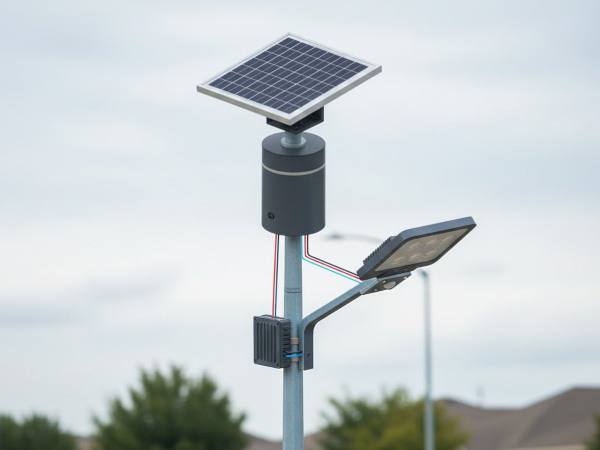
Solar street lights are gaining popularity in Malaysia due to their eco-friendly design and ability to lower electricity costs. They store solar energy during the day and provide light at night, making them suitable for urban and rural areas. Their presence in public spaces, highways, and residential areas reflects a push toward sustainable infrastructure. Understanding the key components of Solar Street Light Malaysia is vital for reliable performance and long lifespan.
The technology behind solar street lights is simple but effective. By combining renewable energy with smart control systems, these lights deliver efficiency and convenience. Each component plays a unique role, from energy collection and storage to light emission. This article examines the essential parts that make solar street lights in Malaysia both reliable and sustainable.
Overview of Key Components
A solar street light system has components that work together to collect, store, and use solar energy efficiently. High-quality parts are crucial in Solar Street Light Malaysia, where heavy rain and humidity can impact performance. The system includes the following components:
1. Solar Panel
The solar panel is the heart of a solar street light system, converting sunlight into electrical energy. Made from high-efficiency photovoltaic (PV) cells, these panels ensure maximum energy capture even under less-than-ideal weather conditions. In Malaysia, panels are designed to withstand tropical climates, including heavy rain and strong sunlight.
High-quality solar panels are essential for providing reliable power to the entire lighting system. Regular cleaning and maintenance help maintain their efficiency, ensuring that the battery receives enough energy for nighttime illumination. Solar panels are the first step in the energy generation process and directly impact overall performance.
2. Reliable Battery
The battery stores the energy collected by the solar panel during the day for use at night. Lithium-ion and lead-acid batteries are commonly used in Malaysia, with lithium-ion offering longer lifespan, better efficiency, and faster charging times. A reliable battery ensures consistent illumination, even during periods of cloudy weather or extended rainfall.
Proper battery management is crucial to prevent overcharging or deep discharge, which can reduce battery life. Many solar street lights include built-in battery protection circuits to maintain performance and ensure safety. Investing in a high-quality battery guarantees longer service life and less frequent replacement.
3. LED Lamp
LED lamps are the primary light source in solar street lights, known for their energy efficiency, brightness, and long lifespan. They consume minimal power while providing high-intensity light, making them ideal for public streets and pathways. High-quality Solar LED Street Light Malaysia systems rely on LEDs for consistent and long-lasting illumination.
LEDs also offer various color temperatures, allowing for different lighting effects. They require minimal maintenance compared to traditional lamps and provide uniform illumination, enhancing safety and visibility at night. Using high-quality LEDs ensures consistent performance throughout the life of the solar street light.
4. Smart Controller
The smart controller manages the charging of the battery, operation of the LED lamp, and integration of sensors. It prevents overcharging, protects against short circuits, and optimizes energy usage. Advanced controllers in Solar Street Light Malaysia can also adjust light intensity based on time, weather, or ambient light levels.
Controllers ensure the smooth functioning of the solar street light system. They enable energy efficiency and prolong the life of both the battery and LED lamp. Smart controllers are an indispensable part of modern solar street lights, providing automation and intelligent management.
5. Lamp Housing
The lamp housing protects the LED lamp and internal components from environmental factors such as rain, dust, and insects. Made from durable materials like aluminum or polycarbonate, it ensures the system’s longevity and prevents corrosion. In Malaysia, weather-resistant housing is crucial due to frequent heavy rainfall and high humidity.
A well-designed housing also aids in heat dissipation, which is vital for maintaining LED efficiency and battery performance. The housing contributes to both durability and aesthetic appeal, making the solar street light a practical and visually pleasing solution for public spaces.
6. Mounting Bracket
The mounting bracket provides structural support, securing the solar street light to poles or walls. It ensures stability even in strong winds and adverse weather conditions. Adjustable brackets allow for proper positioning of the solar panel to maximize sunlight exposure throughout the day.
In Malaysia, strong and corrosion-resistant mounting brackets are preferred to withstand tropical storms and humid environments. Proper installation of the bracket is essential for the overall stability and effectiveness of the solar street light system.
7. Light Sensor
Light sensors detect ambient light levels and automatically turn the solar street light on at dusk and off at dawn. This automation saves energy by ensuring the light operates only when needed. Light sensors are particularly useful in areas with inconsistent sunlight or shaded regions.
High-quality sensors prevent false triggering caused by passing vehicles or other light sources. By integrating a light sensor, solar street lights can function efficiently and autonomously, reducing the need for manual operation.
8. Motion Sensor
Motion sensors enhance energy efficiency by adjusting light intensity based on movement. The light remains dim in the absence of pedestrians or vehicles and brightens when motion is detected. This feature is widely used in Solar Street Light Malaysia to optimize energy consumption in residential and urban areas.
Motion sensors also improve safety by providing immediate illumination in response to movement. They are compatible with LED lamps and smart controllers, ensuring smooth and responsive operation. Properly calibrated motion sensors help balance energy savings with effective lighting.
9. Electrical Wiring
Electrical wiring connects all components of the solar street light system, including the solar panel, battery, LED lamp, and controller. Quality wiring ensures minimal power loss and reliable operation. In Malaysia, wiring is selected for durability against humidity, heat, and potential rodent damage.
Secure and properly insulated wiring prevents short circuits and electrical hazards. Regular inspection of wiring is recommended to maintain optimal performance and safety, making it a crucial part of the system.
10. Junction Box
The junction box houses electrical connections, protecting them from environmental exposure. It ensures organized and safe wiring connections between the solar panel, battery, LED lamp, and controller. In Malaysia, waterproof and corrosion-resistant junction boxes are commonly used to enhance system reliability.
The junction box simplifies maintenance and allows for easy troubleshooting in case of electrical issues. It provides a safe enclosure for sensitive connections, contributing to the overall longevity of the solar street light system.
11. Remote Control
Some modern solar street lights feature remote control for convenient operation. Users can turn the light on or off, adjust brightness, or set operating schedules from a distance. This feature is particularly useful for municipal installations and hard-to-reach areas in Solar Street Light Malaysia.
Remote control functionality enhances user convenience and operational flexibility. It allows for easy management of multiple lights and can help optimize energy consumption based on specific requirements or time schedules.
12. Wi-Fi Module
A Wi-Fi module enables wireless connectivity for smart monitoring and control of solar street lights. It allows integration with mobile apps or centralized management systems, providing real-time data on battery status, light operation, and energy usage.
In Malaysia, Wi-Fi-enabled solar street lights support smart city initiatives, allowing authorities to monitor multiple lights efficiently. This connectivity feature helps in predictive maintenance, energy management, and enhances overall system intelligence.
PMW Lighting: A Regional Producer
PMW Lighting Sdn. Bhd. is a leading regional producer specializing in the design, production, and distribution of solar LED lighting solutions. Their products are built for durability and efficiency, making them suitable for urban, residential, and rural areas across Malaysia. Every component, from solar panels to LED lamps, meets strict quality standards.
Focusing on innovation and sustainability, PMW Lighting delivers complete solar LED solutions that are energy-efficient and environmentally friendly. Their products are widely used in public spaces, highways, and industrial areas. By combining advanced technology with regional expertise, it has become a trusted name in renewable energy solutions.
Conclusion
The key components of solar street lights work together to provide sustainable, reliable, and efficient outdoor lighting. From solar panels and batteries to sensors and Wi-Fi modules, each part plays a critical role in the system’s performance and longevity. Choosing high-quality components ensures consistent operation, safety, and minimal maintenance in Solar Street Light Malaysia.
Understanding these components helps users and municipalities make informed decisions when selecting or installing solar street lights. With proper design, installation, and maintenance, solar street lights can significantly reduce energy costs, promote sustainability, and enhance public safety throughout Malaysia.