

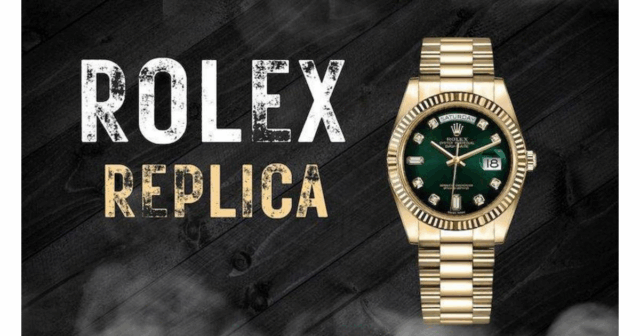
When it comes to luxury watches, Rolex is often the first brand that comes to mind. With its long heritage, precision engineering, and association with success, Rolex has become a global symbol of prestige. Unfortunately, its popularity also makes it one of the most counterfeited luxury items in the world. From street-market replicas to near-perfect imitations, the watch industry faces a growing challenge with the rise of the fake Rolex.
In recent years, the conversation around counterfeits has shifted. No longer are fakes just cheap imitations that can be spotted from across the room. The term super clone Rolex has entered the market, referring to counterfeit watches that are manufactured with an extraordinary level of detail, sometimes fooling even experienced collectors. But what exactly separates a fake Rolex from a super clone Rolex? And what are the risks and ethical issues involved? Let’s take a closer look.
What Is a Fake Rolex?
A fake Rolex refers to any counterfeit watch that uses the Rolex name or logo without authorization. These watches attempt to mimic the design of authentic models such as the Submariner, Daytona, or Datejust. Fake Rolex watches come in many different qualities, ranging from obvious knock-offs sold for a few dollars to more convincing replicas that may cost hundreds.
Traditional fake Rolexes often cut corners on materials and movement. They might use low-grade stainless steel, inaccurate dial fonts, poorly finished cases, or quartz movements instead of mechanical ones. For someone with knowledge of genuine Rolex watches, spotting these fakes is relatively straightforward.
What Is a Super Clone Rolex?
A super clone Rolex is a different story. Unlike cheap knock-offs, these watches are designed with the intention of being almost indistinguishable from the real thing. Super clones are produced by skilled counterfeiters who reverse-engineer authentic Rolex models, replicating details such as the weight, engravings, bracelet construction, and even the movement.
In some cases, super clone Rolex watches are so advanced that they can pass basic authenticity checks. For example, they may feature automatic movements that closely mimic Rolex calibers, sapphire crystals with correct magnification, and laser-etched crown logos on the glass. Some even attempt to reproduce the micro-etching on the rehaut (the inner bezel around the dial) that Rolex uses as a security feature.
Why People Buy Fake and Super Clone Rolex Watches
There are many reasons people choose to buy a fake Rolex or a super clone Rolex:
- Status Symbol Without the Price
A genuine Rolex can cost anywhere from $7,000 to over $100,000, depending on the model. For many, this price tag is simply unattainable. A counterfeit offers the appearance of luxury without the financial burden. - Curiosity or Fashion
Some people buy fake watches purely for fashion, not caring about the mechanics or heritage behind the brand. For them, the look is more important than authenticity. - Testing Before Buying
A few buyers claim they purchase super clone Rolexes to “test drive” the look and feel of a model before investing in the real thing. - Deception
Unfortunately, there are also unethical buyers who use super clones to deceive others—whether to impress socially or to scam unsuspecting buyers in the resale market.
Risks of Buying a Fake or Super Clone Rolex
While the appeal of a super clone Rolex might seem tempting, there are serious risks and downsides to consider:
- Legal Issues
Counterfeit goods are illegal in most countries. Buying, selling, or importing a fake Rolex can result in fines or confiscation. - Poor Investment
Genuine Rolex watches often appreciate in value or at least retain their resale worth. A fake Rolex, even a high-quality super clone, is ultimately worthless in the resale market. - Quality and Durability
Despite their close resemblance, super clones are not built to Rolex standards. The water resistance, movement reliability, and durability are far below authentic levels. - Ethical Concerns
Purchasing counterfeit products supports illegal industries, including organized crime networks, which often exploit labor and operate without regulation. - Risk of Deception
The rise of super clones poses a danger not just to individual buyers but to the watch market itself. Scammers may attempt to sell these counterfeits as genuine, tricking collectors into paying thousands for a worthless copy.
How to Spot a Fake Rolex vs. a Super Clone Rolex
Spotting a traditional fake Rolex is relatively easy—misaligned text, wrong case size, lightweight feel, or incorrect cyclops magnification are common giveaways.
However, spotting a super clone Rolex is much more difficult. Here are a few things to check:
- Movement: Authentic Rolex movements are in-house and highly refined. An expert can often tell the difference by examining the movement under magnification.
- Serial Numbers: Rolex engravings are deep and precise, whereas clones often have shallower, less accurate markings.
- Weight and Finish: A genuine Rolex feels solid and has a flawless finish. Even the best clones may fall short under close inspection.
- Professional Authentication: Ultimately, the only way to be certain is to have the watch examined by an authorized Rolex dealer or a trusted watchmaker.
Final Thoughts
The rise of the super clone Rolex has blurred the line between genuine and counterfeit more than ever before. While traditional fake Rolex watches were easy to spot, modern counterfeits challenge even experienced collectors. Despite their impressive appearance, these watches carry significant risks—legal, ethical, and financial.