

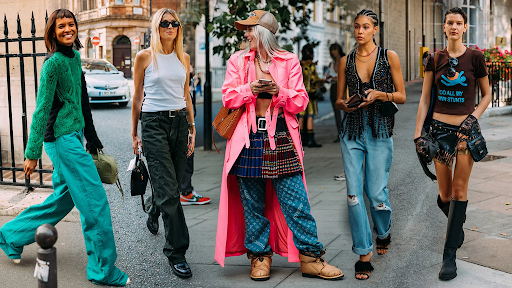
Fashion is more than what we wear—it’s how we move through the world, how we express ourselves without words, and how we connect with others through shared aesthetics and bold individuality. In a world increasingly shaped by digital content and rapid communication, style has become more interactive and immediate than ever before.
Enter BaddiesHub, a rising digital platform that captures the heart of this transformation. It represents a cultural shift in how people consume fashion, blending confidence, trend-setting visuals, and strong community identity. Designed around the “baddie” look—a fusion of street glam, empowerment, and beauty—BaddiesHub allows users to create, share, and evolve their fashion persona. It’s not just a style resource; it’s a virtual runway and identity platform rolled into one.
Why Fashion Matters More Than Ever
From political movements to self-esteem, fashion influences and reflects our inner worlds. Every garment has meaning—whether it’s the hoodie worn for comfort, the suit that projects authority, or the accessories that tell a cultural story.
In modern society, fashion has extended beyond physical garments to become a lifestyle, a mindset, and in many cases, a digital brand.
A Historical Glimpse at Fashion’s Origins
The Early Years: Function Meets Symbolism
Thousands of years ago, clothing was primarily used for protection against nature. But even then, colors, materials, and patterns often denoted power, status, or spiritual alignment. In places like Mesopotamia, Egypt, and ancient Greece, attire varied according to hierarchy, climate, and cultural tradition.
For example, the Pharaohs wore gold-threaded garments, while Roman senators donned togas with purple stripes—a color reserved for nobility.
Renaissance to Victorian Era: From Artistry to Restraint
The Renaissance era emphasized luxury and artistry—flowing gowns, intricate embroidery, and luxurious silks became status symbols. In contrast, the Victorian era prioritized modesty and structure with corsets, long hemlines, and stiff silhouettes.
Tailoring emerged as a skilled profession, and fashion began to follow strict societal codes, particularly for women.
The Rise of Modern Fashion
20th Century: Fashion Becomes a Statement
The 20th century saw fashion become a form of rebellion, expression, and progress:
- 1920s: The flapper movement freed women from corsets and introduced shorter hemlines and sequins.
- 1940s–50s: Wartime practicality gave way to elegant, hourglass designs like Christian Dior’s “New Look.”
- 1960s–70s: Counterculture, hippie fashion, and punk style reflected youth dissatisfaction and desire for change.
- 1980s: Flashy colors, power suits, and brand obsession defined a decade of excess and ambition.
- 1990s: A minimalist wave emerged alongside grunge and hip-hop influences, giving us baggy jeans, crop tops, and branded sneakers.
Each decade told its own story through fashion—and that narrative continues into the digital era.
Fashion in the Age of Technology
The fashion industry today is inseparable from technology. Social media platforms, digital marketplaces, and online influencers have rewritten the rules.
The Influence of BaddieHub
BaddieHub exemplifies the intersection of fashion and digital culture. It provides a space for people—particularly women and nonbinary users—to embody a confident, polished persona that draws from streetwear, glam, and pop culture.
The “baddie” aesthetic is defined by:
- Bodycon outfits and designer accessories
- Perfectly sculpted makeup
- Long nails and sleek hairstyles
- Social media-ready photography and poses
BaddieHub makes it easier for anyone to curate this look and participate in an empowering, highly visual movement.
The Current Fashion Landscape
1. Microtrends and Speed of Style
With TikTok, Instagram, and Pinterest pushing content daily, fashion trends now move faster than ever. A new aesthetic can go viral within hours, and brands are racing to keep up.
Trends like:
- “Clean Girl” (glowy skin, slicked-back bun, minimal neutrals)
- “Soft Grunge” (dark tones, 90s nostalgia, chunky boots)
- “Balletcore” (wrap skirts, pink tones, leg warmers)
…are shaped not by magazines, but by influencers and communities like those on BaddieHub.
2. Streetwear Dominance
Once niche, streetwear is now luxury. Supreme, Off-White, and Fear of God have turned hoodies and sneakers into premium items. Even Louis Vuitton and Balenciaga have embraced this culture with collaborations and oversized silhouettes.
3. Inclusivity as a Standard
Fashion is finally addressing long-standing exclusion. We now see:
- Plus-size models on mainstream runways
- Adaptive clothing for people with disabilities
- Unisex and gender-fluid collections
- Representation of different cultures, races, and body types
Sustainable Fashion: More Than a Trend
With rising awareness about the climate crisis, fashion is also undergoing an ethical transformation.
Sustainable Fashion Essentials
- Thrift and resale platforms like Depop and Poshmark
- Eco-conscious brands like Veja, Pangaia, and Reformation
- Natural materials (linen, hemp, recycled cotton)
- Capsule wardrobes focused on longevity over quantity
Digital platforms have helped this shift. On BaddiesHub and TikTok, influencers now encourage conscious shopping and upcycling, reshaping what “cool” means in fashion.
Fashion Psychology: Dressing for Empowerment
There’s science behind how clothes affect us. Studies show that dressing up can:
- Boost confidence
- Increase productivity
- Influence how others perceive us
Platforms like BaddieHub lean into this mindset—encouraging users to elevate their appearance as a way to elevate their mindset. Looking good becomes a tool for feeling powerful.
Cultural Fashion: Bridging Past and Present
Traditional garments are being reimagined for modern wear. We’re seeing:
- Hijab fashion influencers showcasing modest yet trendy outfits
- African wax prints integrated into urban looks
- Kimonos, saris, hanboks worn in everyday streetwear
This cultural integration helps preserve heritage while redefining identity for a global stage.
Fashion’s Digital Future
Virtual Clothing and the Metaverse
Digital fashion brands like The Fabricant and DressX are creating clothes that exist only in the virtual world. Users can “wear” them in photos or games—no physical garment needed.
Fashion NFTs
Luxury brands are now releasing digital collectibles and fashion NFTs. These unique items let fans own exclusive virtual designs tied to real-world perks or avatars.
Augmented Reality Try-Ons
From Snapchat filters to AR mirrors in stores, customers can now see how a garment looks without ever putting it on.
The Role of Community in Fashion
Fashion today is community-driven. People want to share, be inspired, and belong to something bigger than just their wardrobe.
Communities like:
- BaddieHub: empowering glam fashion
- Dark Academia: vintage, moody, scholarly looks
- Cottagecore: romanticizing rural and nature-inspired fashion
- K-Fashion communities: celebrating Korean minimalist and street trends
Each of these tribes forms part of the larger digital fashion ecosystem—making space for more voices, more creativity, and more connection.
Final Thoughts: Style Without Borders
Fashion is no longer ruled by a select few. It’s global, participatory, and evolving daily. Platforms like BaddieHub demonstrate that fashion can be empowering, accessible, and driven by real people—not just designers or celebrities.
The future of fashion lies in:
- Self-expression over perfection
- Confidence over conformity
- Culture over consumerism
Whether you’re wearing designer heels or thrifted sneakers, whether you belong to a digital aesthetic or define your own, fashion is your platform. And in this connected world, every outfit is a chance to be seen, heard, and remembered.