

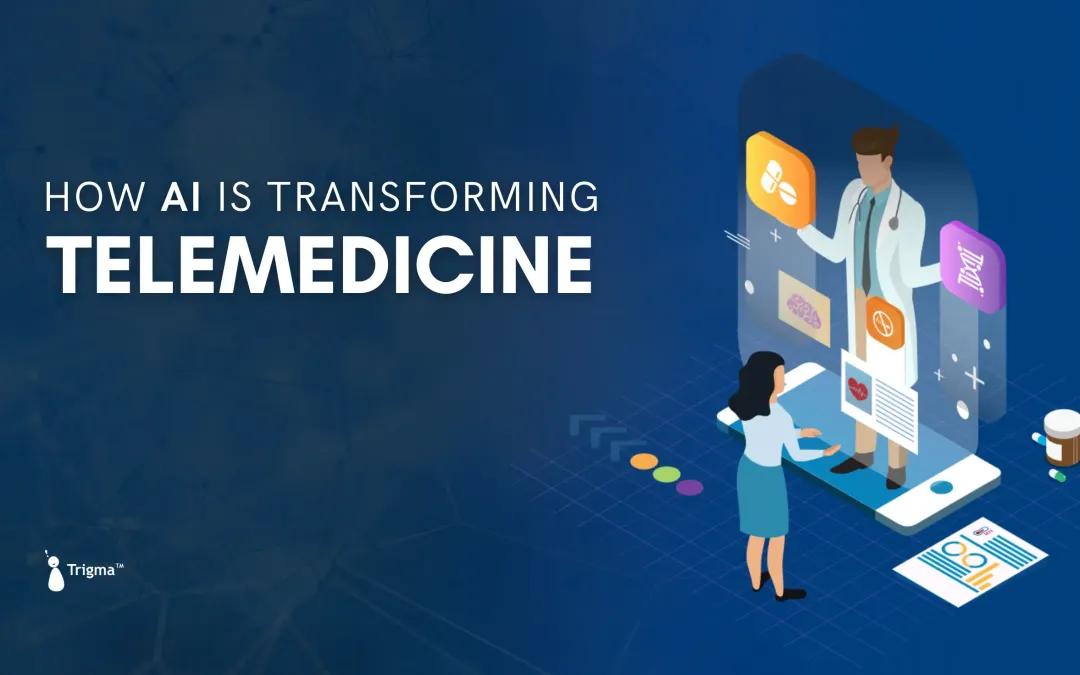
Can an app on your phone really replace a waiting room full of patients?The short answer is yes at least in many ways. Smart apps are turning what was once a long, stressful process into something as quick and seamless as ordering food online. From booking appointments to speaking with doctors in real time, telehealth is transforming patient care. But it’s not just about convenience. Behind the scenes, intelligent technologies are quietly reshaping the entire healthcare experience.
In this article, we’ll break down how these apps are changing the way patients and providers connect, why AI is at the heart of the transformation, and what medico-legal safeguards ensure everything runs smoothly.
Why Smart Apps Are Changing the Game
Healthcare has traditionally been one of the slowest sectors to adapt to digital tools. While shopping and banking shifted online years ago, most doctor visits remained strictly face-to-face. Smart apps have flipped the script by making healthcare easier to access, more efficient, and better tailored to patient needs.
For patients, this means less time waiting in clinics and more time focusing on recovery and prevention. For healthcare providers, it means reduced administrative workload and greater reach, especially to underserved communities. And for the system as a whole, it represents a way to cut costs while improving outcomes. What makes these apps revolutionary is the way they integrate technology into every step of the process. Instead of being passive platforms, they are becoming active partners in patient care, guiding people from their first symptom search to their follow-up appointment.
The Role of AI in Everyday Healthcare Apps
AI might sound futuristic, but it’s already in your pocket if you’re using telehealth. Chatbots that ask about your symptoms, assistants that remind you to take medication, and predictive tools that highlight potential risks — these are all ways AI is embedded into healthcare apps.
Symptom checkers help users make sense of confusing health issues, while natural language processing allows apps to understand everyday speech, making them much easier to use. Virtual health assistants can even act as daily wellness coaches, tracking habits and encouraging healthier choices. More advanced systems are now experimenting with predictive analytics. By analyzing patterns in your data, they can flag potential risks such as diabetes or heart conditions before you even feel unwell. For doctors, this means better preparation before appointments. For patients, it means peace of mind and proactive care.
Balancing Convenience with Responsibility
Every leap forward brings new challenges. In the case of telehealth apps, the big concern is data privacy and security. Medical information is among the most sensitive data a person can share, and providers must be careful about how it is collected, stored, and used.
That’s why medico-legal safeguards are essential. For example, when telehealth consultations need to be formally documented, providers may have to prepare a detailed medico legal report for telehealth consultations, particularly within regulated jurisdictions such as medico legal Brisbane frameworks. These reports ensure patient rights are respected, legal obligations are met, and trust in the system is maintained. Without this layer of accountability, the promise of telehealth could quickly unravel.
A More Human Side of Digital Care
It might sound ironic, but apps and AI actually help bring more humanity back into healthcare. By automating the routine and administrative side, doctors can spend their time focusing on patients. For users, this translates into more personalized reminders, easier communication, and better continuity of care.
Imagine being reminded gently by an app to take your heart medication, followed by a quick video call with your doctor to discuss how you’re feeling that week. Or picture a parent being able to reach a pediatrician in the middle of the night without rushing to an emergency room. These scenarios highlight the human benefit of digital care: comfort, convenience, and reassurance. A growing body of evidence also shows that satisfaction rates rise when patients use AI-driven telehealth. People appreciate not just the speed and convenience, but also the feeling that the care is tailored to their individual needs.
Looking Ahead: The Future of Telehealth Apps
The road ahead points toward even deeper integration of technology and healthcare. Wearables are already sending real-time heart rate and sleep data into apps, but the future could see even more advanced predictive care. Imagine being alerted to potential illnesses before any symptoms appear, or connecting instantly with world-class specialists across continents. We may also see an increase in “hybrid healthcare,” where physical visits and digital consultations work together seamlessly. Routine check-ups could be handled by apps, while in-person visits focus on complex procedures or specialized care.
The challenge will be to balance this innovation with clear communication, transparency, and legal safeguards. Patients need to know that while technology is guiding their care, their privacy and rights remain firmly protected. Providers, meanwhile, will need to adapt to new workflows, new expectations, and new forms of accountability.
Conclusion
So, can an app really replace the waiting room? The answer is yes, and then some. Smart apps and AI are not only cutting down on time and effort, they’re reshaping healthcare into something more accessible, efficient, and personal. At the same time, medico-legal protections ensure that trust remains at the heart of this transformation.
From the first symptom search to a secure, legally sound report, the future of healthcare is no longer a distant vision. It’s already here, and it’s sitting in your pocket.