

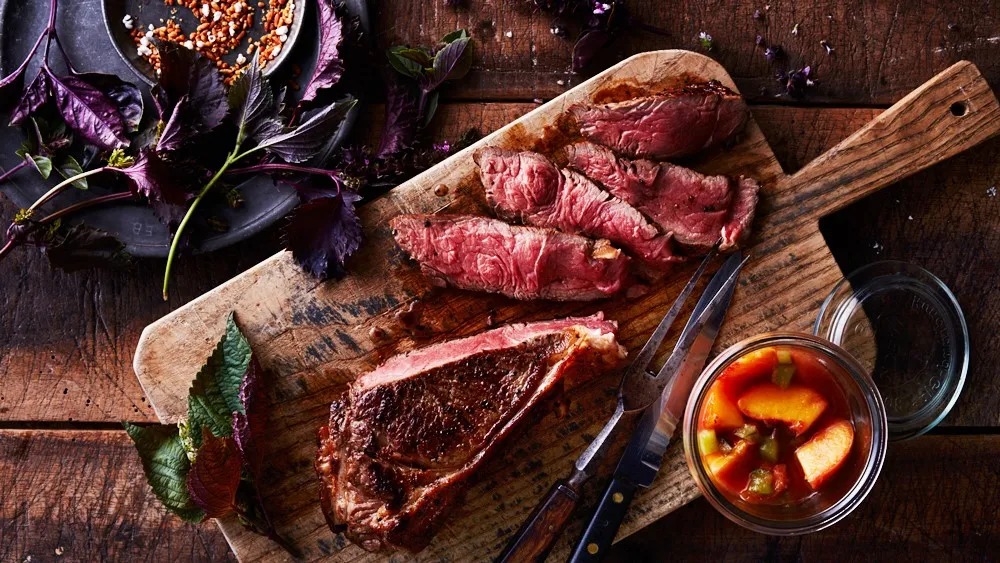
The origins of Wagyu beef can be traced back centuries to the mountainous regions of Japan, where cattle were bred not for mass production but for specific traits that supported agricultural life. The word “Wagyu” literally translates to “Japanese cow,” and it refers to four specific breeds: Japanese Black, Japanese Brown, Japanese Polled, and Japanese Shorthorn. Over generations, these breeds were refined to develop a unique intramuscular marbling of fat, a hallmark that now defines Wagyu beef across the world. This marbling contributes to the beef’s signature tenderness, umami-rich flavor, and luxurious mouthfeel.
Wagyu was initially not a meat of indulgence, but a labor animal used in rice paddies and agriculture. Its exceptional physical strength and endurance were partly attributed to its fine muscle fibers and the development of fat marbling. It was only after the Meiji Restoration in the late 19th century, when Japan opened its borders to Western influence, that beef consumption became more common. Over time, cultural acceptance of beef grew and producers began focusing on the meat quality of these cattle, further enhancing the characteristics for which Wagyu is now renowned.
By the mid-20th century, the Japanese government formalized breeding standards and restricted exports to protect the Wagyu gene pool. This protectionism contributed to Wagyu’s mystique outside Japan, cultivating a perception of rarity and exclusivity. Though global access to true Wagyu beef was limited for many years, its prestige grew steadily among culinary professionals and luxury consumers, laying the foundation for international interest that would intensify in the decades to follow.
Japan’s Rigorous Standards and Regional Distinctions
Japanese Wagyu is not merely a product but a point of national pride, safeguarded by rigorous standards and regional classifications. The Japan Meat Grading Association evaluates each carcass using a meticulous scoring system based on yield and meat quality, which includes marbling, color, brightness, firmness, and texture. Wagyu must meet specific thresholds in each of these categories to earn the title, and only the highest-graded cuts achieve the coveted A5 designation. This exacting system ensures consistent quality and maintains Japan’s reputation for excellence.
Moreover, regional branding plays a pivotal role in the domestic market. Areas like Kobe, Matsusaka, and Omi are among the most revered, each known for distinct flavors and production techniques that reflect local geography, feed practices, and breeding lines. These designations are legally protected and heavily monitored, akin to Champagne in France or Parmigiano Reggiano in Italy. Producers in these regions often belong to cooperatives that enforce standards more stringent than national requirements, further elevating their beef’s status.
The combination of breed specificity, artisanal feeding practices, and strict grading makes Japanese Wagyu a luxury commodity within its own borders. Cattle are often raised in stress-free environments, with ranchers going to extraordinary lengths to ensure animal welfare. Diets are tailored and monitored with scientific precision, incorporating ingredients such as rice straw, barley, and even beer to enhance marbling. These practices contribute not only to flavor but to the reverence surrounding each cut, making Japanese Wagyu as much a cultural artifact as a culinary product.
The Introduction of Wagyu to the Global Market
Wagyu cattle first left Japan in the late 20th century, with a small number exported to the United States and Australia for breeding and research purposes. This limited genetic pool laid the groundwork for international Wagyu production, giving rise to new variants such as American Wagyu and Australian Wagyu. These cattle are often crossbred with local breeds, such as Angus, to adapt to different climates and farming systems. While these hybrids retain the signature marbling and flavor of Wagyu, purists argue that they fall short of the original Japanese standard.
Despite these debates, the popularity of Wagyu beef soared internationally, driven by chefs and food enthusiasts seeking the pinnacle of meat quality. American producers began to cultivate Wagyu with meticulous attention to genetics, feed, and animal welfare, creating a high-quality product that aligned with the expectations of a discerning market. As interest grew, some premium e-commerce brands in the United States began offering exclusive access to top-tier Wagyu, even creating curated experiences for aficionados. One such brand, Destination Wagyu, caters to this growing appetite by offering specialized subscriptions for those who value the unmatched quality of authentic Wagyu cuts.
The globalization of Wagyu production raised questions around authenticity, labeling, and consumer education. While Japanese Wagyu remains a benchmark, American and Australian producers have developed their own grading systems to reflect quality and consistency. These efforts are not merely commercial; they represent an evolution of the product that respects its Japanese heritage while adapting to global culinary demands. As the market matures, consumers are increasingly discerning about origin, genetics, and care, pushing producers toward transparency and excellence.
Logistics and the Cold Chain of Luxury Beef
Transporting Wagyu beef from Japan to overseas markets is a feat of logistical precision. The product must be handled with the utmost care to preserve its flavor, texture, and safety. From the moment the animal is processed, temperature control becomes paramount. The cold chain, the uninterrupted refrigeration pathway from abattoir to consumer, must be rigorously maintained. Even minor fluctuations can compromise the beef’s integrity, turning a premium cut into a costly loss.
Exported Wagyu is often shipped in vacuum-sealed packaging using air freight to minimize transit time. Each package is labeled with detailed traceability information, including breed, farm of origin, and grading scores. Import regulations vary from country to country, with some requiring extensive documentation and quarantine checks to prevent contamination and disease. These regulatory steps, while necessary, contribute to the overall cost and exclusivity of imported Wagyu.
Retailers and distributors play a crucial role in this ecosystem. High-end restaurants, gourmet butchers, and e-commerce platforms must invest in specialized storage and handling equipment to ensure quality is preserved. For consumers who purchase Wagyu online, this translates to high shipping costs and carefully scheduled deliveries. However, the payoff is substantial. When executed correctly, this system allows diners thousands of miles from Japan to enjoy a slice of its culinary heritage in its purest form.
The American Palate and Wagyu’s Culinary Integration
In the United States, Wagyu has transcended its novelty status to become a sought-after staple in upscale dining. Initially introduced through Michelin-starred restaurants and chef-driven tasting menus, it has gradually found its way into more mainstream culinary settings. Today, one might find Wagyu burgers, tacos, and even hot dogs on menus across major cities. While purists may bristle at these adaptations, they reflect a broader embrace of the beef’s exceptional quality and flavor.
American chefs have developed creative ways to integrate Wagyu into familiar dishes, allowing diners to experience its rich taste in more approachable formats. The key challenge lies in preparation. Wagyu’s high fat content demands careful cooking techniques to avoid overrendering or masking its subtle flavors. As a result, many chefs offer Wagyu in smaller portions or as part of a composed dish, emphasizing quality over quantity. This strategy aligns well with American dining preferences, which often balance indulgence with accessibility.
Wagyu’s rise in the American culinary landscape also reflects broader trends in food culture, including increased interest in sourcing, sustainability, and transparency. Consumers are not just paying for flavor but for a story, one that includes humane treatment of animals, responsible farming, and artisanal production. These values resonate strongly with a new generation of food lovers, making Wagyu more than just a luxury item. It is a symbol of conscientious consumption and global culinary exchange.
Pricing, Perception, and the Luxury Market
Wagyu beef commands a premium price for good reason. Between limited supply, intensive farming practices, international transport, and strict grading criteria, the cost of bringing Wagyu to market is inherently high. In Japan, a single head of Wagyu cattle can fetch tens of thousands of dollars, with the finest cuts selling at auction for eye-watering sums. These prices reflect not only the intrinsic quality of the meat but also the cultural significance and rarity associated with it.
In foreign markets, the cost is magnified by additional expenses related to importation, storage, and distribution. Yet the high price point does little to dissuade consumers seeking exceptional culinary experiences. For many, Wagyu is less of a grocery item and more of a special occasion indulgence. Its presence on a menu signals refinement and exclusivity, attracting a clientele willing to pay for quality and authenticity.
The psychology behind Wagyu’s pricing also plays a role in its appeal. In luxury markets, price often conveys prestige. Just as a fine wine or designer handbag suggests status, so too does a perfectly marbled Wagyu steak. This dynamic makes Wagyu not only a product but a lifestyle marker. For brands and producers, maintaining this perception while ensuring quality is critical to long-term success.
Sustainability and the Future of Wagyu
As global demand for Wagyu continues to rise, questions about sustainability have come into sharper focus. The traditional model of Wagyu production, which involves long feeding cycles and intensive resource use, faces scrutiny in an era increasingly defined by climate change and environmental responsibility. Producers are now exploring ways to reduce their carbon footprint without sacrificing quality. This includes experimenting with feed alternatives, rotational grazing, and regenerative farming practices.
In Japan, some breeders are incorporating technology such as precision agriculture and data analytics to monitor cattle health and optimize feed efficiency. These innovations not only support sustainability goals but also enhance the consistency and traceability of the beef. Similarly, international producers are investing in eco-friendly infrastructure and renewable energy sources. These shifts reflect a broader effort to future-proof the Wagyu industry and align with consumer expectations around ethical consumption.
Consumer education remains a pivotal component of this transformation. As more people become curious about where their food comes from, transparency in sourcing and production will be essential. Brands that can effectively communicate their sustainability commitments will be better positioned to capture market share in an increasingly competitive space. In this evolving landscape, Wagyu has the opportunity to not only maintain its elite status but also lead the charge in responsible luxury food production.