

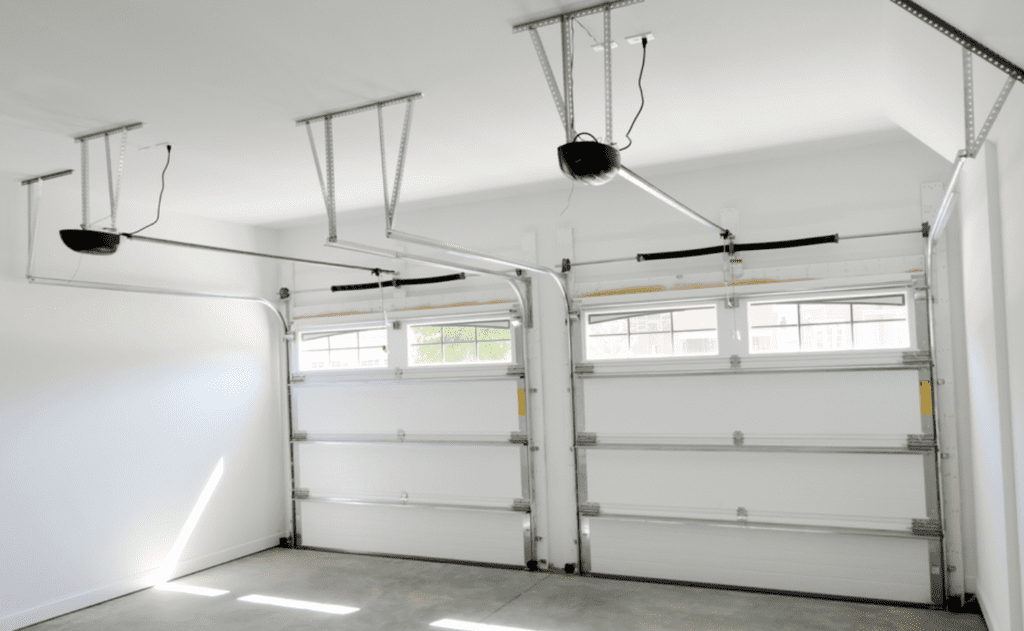
A garage door is more than just an entryway—it enhances curb appeal, improves security, and increases the value of your property. Whether you’re replacing an old garage door or installing a new one for the first time, understanding the process, benefits, and options available can help you make the best decision. In this guide, we’ll explore everything you need to know about garage door installation, from choosing the right door to professional installation and maintenance tips.
The Importance of a Quality Garage Door
A high-quality garage door offers multiple benefits beyond just convenience. Here are some reasons why investing in a good garage door is essential:
- Enhanced Security: A sturdy garage door prevents unauthorized access to your home, protecting your belongings and loved ones.
- Improved Curb Appeal: A stylish garage door enhances the look of your property, making it more attractive to visitors and potential buyers.
- Energy Efficiency: Insulated garage doors help maintain indoor temperatures, reducing energy costs.
- Increased Property Value: A well-maintained and modern garage door can significantly boost the value of your home.
Types of Garage Doors
Before installing a new garage door, it’s crucial to choose the right type that suits your needs and style. Here are some popular options:
1. Sectional Garage Doors
These doors are made of panel sections connected with hinges, allowing them to open and close smoothly. They are one of the most common choices due to their durability and insulation capabilities.
2. Roll-Up Garage Doors
Perfect for commercial properties and homes with limited ceiling space, roll-up doors consist of slats that roll up into a coil when opened.
3. Slide-to-Side Garage Doors
These doors operate by sliding parallel to the wall and are ideal for garages with minimal headroom.
4. Side-Hinged Garage Doors
A traditional option, side-hinged doors swing open like barn doors and are ideal for homeowners who prefer a classic aesthetic.
5. Tilt-Up Garage Doors
Available in both canopy and retractable styles, tilt-up doors operate as a single panel that lifts upward and outward. They offer a sleek look but require ample driveway space.
Choosing the Right Material
Garage doors come in various materials, each with its own advantages:
- Steel: Durable, low-maintenance, and available in different styles and finishes.
- Wood: Offers a natural and classic look but requires regular maintenance.
- Aluminum: Lightweight and resistant to rust, making it suitable for coastal areas.
- Fiberglass: Resistant to dents and corrosion, ideal for humid climates.
- Vinyl: Highly durable and low-maintenance, perfect for families with children.
The Garage Door Installation Process
Hiring professionals for garage door installation ensures safety and efficiency. Here’s an overview of the installation process:
1. Initial Consultation and Measurement
A professional will assess your garage, take precise measurements, and help you choose the best door based on your preferences and budget.
2. Removal of the Old Door
If you’re replacing an existing garage door, technicians will safely remove and dispose of the old door and tracks.
3. Installation of New Tracks and Hardware
The new tracks, rollers, springs, and hinges are installed to support the garage door’s movement.
4. Placing the New Garage Door Panels
The new door panels are carefully installed and aligned to ensure a seamless fit.
5. Installing the Garage Door Opener
If your garage door is automatic, a professional will install and configure the opener system for smooth operation.
6. Testing and Adjustments
Technicians will test the door’s movement, balance, and safety features, making any necessary adjustments.
7. Final Inspection and Cleanup
A final check ensures everything is working correctly, followed by a cleanup of the work area.
DIY vs. Professional Installation
While some homeowners may attempt a DIY installation, hiring professionals is often the best choice. Here’s why:
- Safety: Garage doors are heavy and require precise handling to prevent accidents.
- Expertise: Professionals have the skills and experience to ensure proper installation and alignment.
- Time-Saving: Professional installation is quicker and hassle-free.
- Warranty: Many professional services offer warranties, providing peace of mind.
Maintenance Tips for Your New Garage Door
After installing your garage door, regular maintenance is crucial to ensure longevity and optimal performance. Follow these tips:
- Lubricate Moving Parts: Apply lubricant to rollers, hinges, and tracks to prevent friction and noise.
- Check for Wear and Tear: Inspect springs, cables, and seals for any signs of damage.
- Clean the Door Regularly: Remove dirt and debris to maintain its appearance.
- Test the Auto-Reverse Feature: Ensure the safety sensors are functioning correctly to prevent accidents.
- Schedule Professional Inspections: A yearly checkup by professionals can help detect issues early.
Conclusion
A well-installed garage door not only enhances security but also adds aesthetic and financial value to your home. Choosing the right door, material, and professional installation service can make all the difference. Whether you’re upgrading an old door or installing a brand-new one, investing in a quality garage door installation is a decision that pays off in the long run.
If you’re ready to enhance your home’s security and curb appeal, consider hiring a trusted garage door installation expert today!