

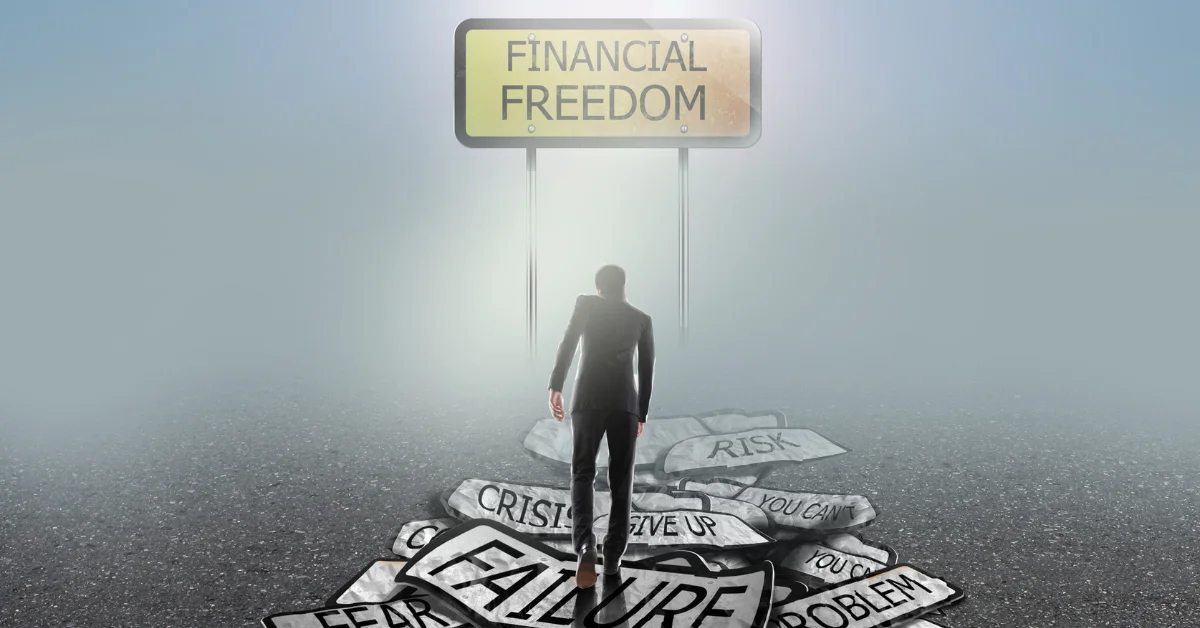
Debt can feel like a heavy chain holding you back from achieving your goals. Whether it’s credit card balances, personal loans or other financial obligations, the pressure of owing money can drain your energy and limit your opportunities. The good news is that with the right mindset and strategies, it’s possible not only to get out of debt but to stay out of it for good. This article explores how you can take control of your finances and build a stable future without falling back into the debt cycle.
Understanding the Root Cause of Debt
Before you can get out and stay out of debt you need to understand why it happened in the first place. Overspending, lack of budgeting or unexpected emergencies often lead to financial strain. By identifying the triggers you can address the habits and circumstances that caused the problem. This step is crucial because it sets the foundation for lasting change rather than temporary relief.
Creating a Realistic Spending Plan
Financial stability starts with a clear spending plan. This plan should show your income, essential expenses and any debts you are currently paying. When you have a plan you gain visibility over your money and can prioritize what matters most. A good spending plan is flexible enough to accommodate emergencies but firm enough to guide your everyday decisions. By tracking your spending you build awareness and discipline which are key to breaking the debt cycle.
Building an Emergency Fund
An emergency fund acts as a safety net during difficult times. Unexpected bills or loss of income can push you back into borrowing if you are not prepared. By putting aside even a small amount of money regularly you create a buffer that helps you handle life’s surprises without using credit cards or loans. Over time this fund becomes your first line of defense against future debt.
Developing a Debt Repayment Strategy
To get out of debt you must actively focus on repayment. Target the balances with the highest interest rates first or consolidate payments into more manageable terms depending on your situation. Making consistent payments above the minimum accelerates your progress and reduces the total amount you owe. Seeing your balances drop gives you motivation to keep going and reminds you that debt freedom is possible.
Adopting a Cash-First Mindset
Staying out of debt requires a shift in mindset. Start prioritizing cash or debit transactions rather than relying on credit. By spending money you already have you naturally control your spending and avoid accumulating new debt. This habit also reinforces the value of money and the importance of budgeting before making purchases.
Boosting Your Income to Accelerate Progress
Sometimes cutting expenses alone is not enough. Exploring ways to increase your income can speed up your journey to debt freedom. This could be through freelancing, a part-time business or upgrading your skills to earn more at your current job. Additional income not only helps you pay off existing balances faster but also strengthens your financial foundation to prevent future debt.
Practicing Mindful Spending
One of the biggest reasons people slip back into debt is impulse spending. Before making any purchase ask yourself if it aligns with your financial goals. Give yourself time to consider large purchases rather than buying on the spot. Over time this practice creates a habit of intentional decision-making which supports long-term financial health.
Building Credit Responsibly
Staying out of debt doesn’t mean avoiding credit entirely. In fact, responsible credit use can improve your credit score and open opportunities like lower interest rates or better loan terms if needed in the future. Use credit cards sparingly and always pay the full balance each month. This keeps your credit strong while avoiding the trap of high-interest debt.
Surrounding Yourself with Positive Influences
Financial habits are often influenced by your environment. Surround yourself with people who support your goals and encourage responsible financial behavior. This might mean following financial experts online, joining a support group or discussing goals with a trusted friend. When your circle aligns with your values it’s easier to stay committed to living debt-free.
Celebrating Milestones and Maintaining Motivation
Reaching milestones along your journey is important for maintaining momentum. Each time you pay off a debt or reach a savings goal acknowledge your progress. Positive reinforcement strengthens your commitment and keeps you motivated to continue. Over time these small victories add up to major financial transformation.
Conclusion
Learning how to get out and stay out of debt is a life-changing skill. By understanding your habits, creating a solid plan and maintaining discipline you can free yourself from the stress of owing money. Financial freedom allows you to focus on what truly matters – building your future, achieving your goals and enjoying peace of mind. With patience, consistency and a commitment to positive habits you can transform your finances and enjoy a life without the burden of debt.