

Havening
Have you ever felt that your anxiety or stress responses are disproportionate to the current situation? Perhaps you experience sudden, intense surges of panic or dread, yet you can’t pinpoint the exact cause. Often, this intense emotional volatility is linked to past shocks or traumas that remain stored in the body’s nervous system. Your mind may have moved on, but your nervous system is still trapped in a historical state of high alert. Fortunately, a powerful psychosensory tool known as Havening offers a gentle, touch-based solution to release these entrenched emotional burdens and reprogram your brain for safety and peace.
The Body’s Emotional Vault
When we experience stress, fear, or trauma, our body’s survival mechanism kicks in, locking us into a fight or flight response. This response, orchestrated in part by the amygdala (the brain’s emotional processing center), is designed to protect us. However, sometimes this mechanism gets stuck, creating neural pathways that encode feelings of distress and link them to triggers, causing physical and emotional symptoms like a racing heart or muscle tension. Healing from these experiences requires more than just talking about them; it requires reaching the deeply ingrained survival mechanisms that operate outside of conscious awareness. The goal is not just to manage the anxiety, but to go to the root of the problem and promote actual change.
Neuroplasticity and the Science of Softness
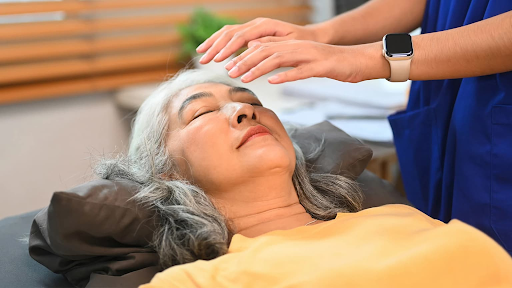
The efficacy of Havening is rooted in the concept of neuroplasticity—the remarkable ability of your brain to reorganize itself and form new neural connections throughout life. This technique utilizes focused attention, positive visualization, and soothing, mindful touch to stimulate specific areas of the body, such as the face, arms, or hands. When this gentle pressure is applied, it encourages the release of natural feel-good chemicals, including oxytocin (associated with trust and serenity) and delta waves (linked to deep relaxation). This sensory input works to electrically and chemically change the mind, effectively interrupting the old, negative neural pathways that were keeping the trauma stuck and allowing the release of associated emotional memories. This process promotes emotional recovery and creates new associations with pleasant experiences.
A Practical Pathway to Self-Soothing
One of the most empowering aspects of Havening is that it provides tools for active self-healing that you hold literally in the palms of your own hands. You can perform Self-Havening by gently stroking your arms, rubbing your palms together, or lightly touching your cheeks, combined with focusing your attention and using positive affirmations like, “I am safe and protected” or “I am capable and strong”. By incorporating this intentional, gentle touch into your daily routine, you proactively build emotional resilience and strengthen your capacity to handle future stressors. This technique can be used whenever you feel anxious or stressed. Even if the trauma narrative is too difficult or inaccessible, Havening can still be applied to the feelings or sensations themselves, leading to a profound sense of relief and inner peace. This consistent practice helps reverse the effects of stressful events, transforming past crises into a foundation for secure, fulfilling living.
The journey toward genuine emotional freedom means moving away from simply avoiding fear and instead actively choosing practices that rewire your stress response. Through the consistent application of Havening, you move beyond symptom management and embrace a life where you are the agent of your own healing, nurturing an inner sense of calm and well-being.