

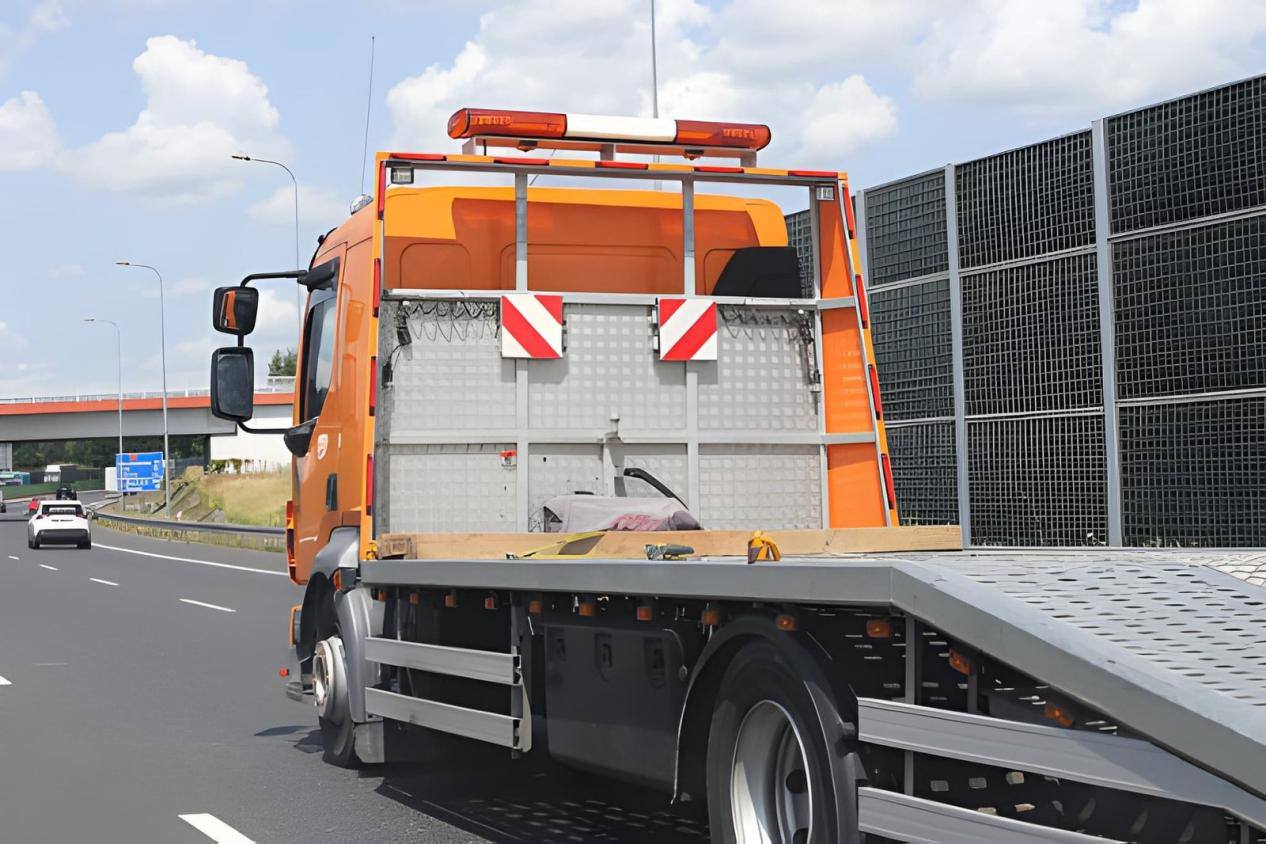
When your semi-truck breaks down on a busy highway or your RV suddenly loses power on a mountain road, you need professional heavy duty towing Greeneville services that arrive quickly and handle the job safely. Unlike regular towing for passenger cars, heavy duty operations require specialized equipment, trained operators, and years of experience dealing with vehicles that weigh tens of thousands of pounds. In Greeneville and surrounding areas, commercial drivers, fleet managers, and RV owners face unique challenges because of our location near major interstate corridors and varied terrain. Therefore, choosing the right towing service can mean the difference between a quick resolution and hours of dangerous roadside waiting. This article walks you through everything you need to know about heavy duty towing, from understanding what makes it different to knowing what questions to ask before you ever need emergency help. As a result, you will feel prepared and confident the next time a breakdown happens.
What Makes Heavy Duty Towing Different from Regular Towing?
Heavy duty towing handles vehicles that weigh over 10,000 pounds, which means the equipment and techniques differ completely from what you see with everyday car towing. For example, a standard flatbed truck works fine for sedans and small SUVs, but it cannot safely lift or transport a fully loaded semi-trailer that might weigh 80,000 pounds. Heavy duty operators use rotator wreckers, which feature rotating booms that allow precise positioning and lifting from multiple angles. In addition, these trucks come equipped with heavy-duty winches rated for extreme loads, specialized rigging equipment, and underlift systems designed to protect the towed vehicle’s frame and suspension.
The training required also sets this service apart because operators must understand load distribution, proper rigging points, and safety protocols that prevent accidents during recovery. Furthermore, heavy duty towing often involves complex scenarios like uprighting an overturned truck or extracting a vehicle from a ditch without causing additional damage. Therefore, the operator needs mechanical knowledge, problem-solving skills, and the ability to work under pressure in dangerous conditions. Regular tow truck drivers simply do not receive this level of specialized education.
Insurance and liability considerations add another layer of complexity because commercial vehicles often carry valuable cargo or belong to fleet companies with strict policies. As a result, professional heavy duty services maintain higher insurance coverage and follow industry certifications to protect both the vehicle owner and their own business. This combination of advanced equipment, expert training, and proper coverage creates a service tier that costs more but delivers results you cannot get from a standard tow truck.
Common Heavy Duty Towing Situations in Greeneville
Truck drivers and commercial vehicle operators face several common scenarios that require immediate heavy duty assistance in the Greeneville area. First, mechanical breakdowns rank as the most frequent call because diesel engines, transmissions, and drivetrains eventually fail even with regular maintenance. When a semi loses power on the highway, it creates a traffic hazard and puts the driver at risk, so quick removal becomes critical. Similarly, tire blowouts on heavy vehicles often cause additional damage to wheel assemblies and brake systems, which means the truck cannot simply limp to a repair shop.
Jackknifed trailers represent another serious situation that happens when road conditions turn slippery or a driver brakes too hard while navigating curves. In these cases, the trailer swings out at an angle to the cab, blocking multiple lanes and creating an immediate safety emergency. Because of this, recovery requires careful winching and positioning to straighten the rig without damaging the coupling or frame. Furthermore, rollover accidents occasionally occur on mountain roads or during severe weather, and these recoveries demand the most advanced equipment because the entire vehicle must be carefully uprighted and stabilized.
RV breakdowns also fall into the heavy duty category because these vehicles often exceed 30 feet in length and weigh several tons when fully loaded. For instance, a motorhome suffering transmission failure on a steep grade needs specialized towing that accounts for weight distribution and prevents further drivetrain damage. Construction equipment presents similar challenges because excavators, bulldozers, and other machinery require lowboy trailers and precise loading techniques. Finally, bus emergencies happen less frequently but demand immediate response because they often involve passenger safety and tight scheduling requirements for schools or tour companies.
I-26 and I-40 Heavy Duty Towing Challenges
The interstate corridors running through our region create unique heavy duty towing demands because of high traffic volumes and challenging geography. I-26 cuts through mountainous terrain with steep grades and sharp curves, which increases the risk of brake failures and loss of control for heavily loaded trucks. Therefore, recovery operations on this route often involve working on narrow shoulders with limited space while traffic continues to flow just feet away. Weather conditions worsen these challenges because fog, ice, and heavy rain reduce visibility and traction, making both the initial accident and the recovery more dangerous.
I-40 heavy towing situations frequently involve longer hauls because this coast-to-coast route carries continuous commercial traffic heading to major distribution centers. As a result, disabled trucks might need transport to repair facilities dozens of miles away, which requires careful planning for fuel stops and route selection. In addition, the volume of traffic on I-40 means that any stopped vehicle creates immediate congestion, so law enforcement typically pushes for the fastest possible clearance. This time pressure adds stress but cannot compromise safety because rushing a heavy recovery often leads to additional damage or injuries.
- Mountain grade recoveries require winching equipment rated for extreme angles and loads
- Multi-vehicle accidents demand coordination between several tow operators and emergency responders
- Nighttime operations need extensive lighting systems to maintain visibility and safety
- Hazardous material spills require specialized training and containment procedures before towing begins
Both interstates also experience seasonal challenges that affect heavy towing Greeneville services differently throughout the year. For example, summer brings increased RV traffic heading to mountain vacation destinations, which means more breakdowns of recreational vehicles unfamiliar with steep grades. Winter creates black ice conditions that catch even experienced drivers off guard, leading to multiple-vehicle pileups that require coordinated recovery efforts. Spring weather patterns produce sudden storms that reduce visibility and create hydroplaning risks for heavy vehicles traveling at highway speeds.
Equipment and Technology Behind Professional Heavy Duty Towing Greeneville Services
Modern heavy duty recovery relies on specialized equipment that costs hundreds of thousands of dollars and requires regular maintenance to stay operational. Rotator wreckers serve as the workhorse of the industry because their rotating boom can extend, retract, and swivel to reach vehicles in almost any position. For instance, if a truck rolls down an embankment, the rotator can position itself above and use its winch system to pull the vehicle back to the roadway without putting operators in danger. These machines generate tremendous lifting force, often exceeding 75 tons, which allows them to handle even the heaviest commercial vehicles.
Underlift systems attach to a vehicle’s axles or frame rather than hooking the bumper or towing from chains, which distributes weight properly and prevents damage during transport. In addition, air cushion recovery systems use large inflatable bags that slide under overturned vehicles and gently lift them back to an upright position. This technology reduces stress on the vehicle’s structure compared to simply winching it over, which protects valuable components and cargo. Furthermore, hydraulic tools help operators adjust boom angles, extend outriggers for stability, and control winch speed with precision that prevents sudden jerks or slippage.
Communication technology has also transformed how operators coordinate complex recoveries because GPS tracking shows exact vehicle locations and allows dispatchers to send the closest available unit. As a result, response times have improved significantly compared to older radio-based systems that required manual coordination. Modern trucks also carry diagnostic computers that connect to disabled vehicles and identify mechanical problems, which helps operators understand what failed and communicate detailed information to repair shops. This preparation means the vehicle can often go directly to a facility ready to start repairs rather than wasting time on additional diagnosis.
Safety Protocols During Heavy Duty Towing Operations
Professional operators follow strict safety procedures because the combination of heavy equipment, highway traffic, and unpredictable conditions creates serious injury risks. First, scene assessment determines the safest approach before any recovery equipment gets deployed, which means checking for fuel leaks, unstable vehicle positions, and traffic patterns. Therefore, operators set up proper traffic control using cones, flares, and warning signs that give approaching drivers adequate notice to slow down and change lanes. In many cases, law enforcement assists by blocking lanes or controlling traffic flow during the most dangerous phases of recovery.
Proper rigging represents the most critical safety step because incorrectly attached chains or cables can snap under load and become deadly projectiles. As a result, trained operators inspect every attachment point, use rated equipment appropriate for the load, and double-check connections before applying tension. They also calculate load angles and weight distribution to prevent the tow truck from becoming unstable, which could cause it to tip over during lifting operations. Furthermore, communication between the winch operator and ground crew uses hand signals and radio contact to coordinate movements because verbal shouting often gets lost in highway noise.
- Always deploy stabilizing outriggers fully before attempting any lift to prevent truck rollover • Maintain minimum safe distances from power lines because boom contact causes electrocution risk • Wear high-visibility clothing and use spotters when working near active traffic lanes • Inspect all rigging equipment before each use and retire any components showing wear or damage • Establish clear communication protocols so every team member understands their role and timing
Personal protective equipment goes beyond basic safety vests because heavy duty work involves sharp metal edges, hydraulic fluid under extreme pressure, and the constant risk of crushing injuries. Therefore, operators wear steel-toed boots, cut-resistant gloves, and hard hats on every job regardless of how routine it appears. Weather protection also matters because recovery operations cannot always wait for ideal conditions, so operators need gear that keeps them functional in rain, snow, or extreme heat. Finally, ongoing training ensures that teams stay current on new equipment, updated safety standards, and lessons learned from accidents in the industry.
How to Choose a Heavy Duty Towing Service in Greeneville
Selecting the right provider before an emergency happens saves stress and potentially thousands of dollars in vehicle damage. First, verify that the company maintains proper licensing and insurance coverage because heavy duty operations create substantial liability exposure. For example, a towing company without adequate insurance might leave you responsible for damage that occurs during recovery, which could cost more than the original breakdown. Therefore, ask for proof of insurance and check that their coverage limits match the value of your vehicle and any cargo it carries.
Response time becomes critical during emergencies, so choose a service with strategically located equipment rather than one that operates from a single distant yard. In addition, 24/7 availability matters because breakdowns do not respect business hours, and waiting until morning on a highway shoulder puts drivers at serious risk. Furthermore, ask about their equipment inventory to confirm they own the specialized trucks needed for your vehicle type rather than subcontracting to another company when you call. This direct ownership usually means faster response and better coordination.
Reputation research takes minimal time but reveals how a company treats customers under pressure. As a result, check online reviews focusing on comments about professionalism, damage prevention, and transparent pricing rather than just looking at star ratings. Local commercial drivers often share recommendations through online forums or social media groups, which provides insider perspective on which companies deliver reliable service. Industry certifications from organizations like the Towing and Recovery Association of America indicate that the company invests in training and follows professional standards.
Finally, discuss pricing structure before you need emergency service because understanding the rate factors prevents shock when the bill arrives. For instance, most companies charge based on vehicle weight, distance traveled, recovery complexity, and whether the call happens during regular hours or requires after-hours response. Get this information in writing or saved digitally so you can reference it during a stressful roadside situation when clear thinking becomes difficult.
The Cost of Heavy Duty Towing: What Affects Your Price
Understanding pricing factors helps you budget appropriately and recognize when quotes seem unreasonable. Vehicle weight drives the base rate because heavier loads require more expensive equipment and place greater wear on the tow truck. For example, towing an empty semi-tractor costs significantly less than moving a fully loaded trailer because the equipment strain and fuel consumption differ dramatically. Therefore, operators typically classify vehicles into weight categories with corresponding rate structures rather than charging one flat fee.
Distance traveled includes both the trip to your location and the haul to the destination, which means a breakdown far from repair facilities costs more than one near town. In addition, time of day affects pricing because after-hours calls, weekend service, and holiday emergencies require paying operators premium wages. Furthermore, recovery complexity adds charges when the situation involves winching from ditches, uprighting overturned vehicles, or coordinating with hazmat teams for spill containment. These specialized services demand extra equipment and trained personnel beyond basic towing.
Storage fees accumulate if your vehicle cannot go directly to a repair shop or if you need time to arrange insurance coverage and authorization. As a result, ask about daily storage rates and whether the company offers covered storage for vehicles with sensitive cargo or equipment. Some situations also require permits for oversized loads or escort vehicles when traveling on certain roads, which adds costs beyond the towing service itself. Finally, if the recovery involves multiple trucks working together on a complex scene, you pay for each vehicle and operator involved in the coordination.
Emergency Preparedness for Commercial Drivers in Greeneville
Smart preparation reduces stress when breakdowns happen because you already know who to call and what information they need. First, program reliable heavy duty towing contacts into your phone before starting any trip through the region so you do not waste time searching during an emergency. In addition, keep your insurance information and company fleet policies easily accessible, which speeds up authorization and prevents delays while the tow truck sits idle waiting for approval. Furthermore, document your vehicle’s specifications including weight, dimensions, and any special handling requirements so you can communicate accurate details to the dispatcher.
Basic troubleshooting knowledge helps you determine whether a situation requires towing or might be fixable roadside with simple interventions. For example, understanding the difference between a minor coolant leak you can temporarily patch versus a blown head gasket that needs immediate professional help prevents you from making poor decisions under pressure. Therefore, carry basic tools and emergency supplies like extra coolant, oil, fuses, and duct tape that might get you to a safe location rather than stopping on a dangerous highway shoulder. However, knowing when to stop attempting repairs and call for help prevents turning a manageable problem into catastrophic engine damage.
Communication with dispatchers works best when you provide clear location information using mile markers or GPS coordinates rather than vague descriptions. As a result, practice noting your position regularly during trips so you can report it accurately if needed. Also, describe the problem specifically instead of just saying the truck stopped, which helps the towing service send appropriate equipment on the first response rather than arriving unprepared. Finally, understand your rights and responsibilities regarding towing charges, storage, and vehicle release so you can have informed conversations with service providers rather than feeling confused or pressured during billing discussions.
Final Words
Professional heavy duty towing Greeneville services provide essential support for commercial drivers, fleet operators, and recreational vehicle owners who face the reality that mechanical failures happen despite careful maintenance. By understanding what separates quality providers from mediocre ones, you protect both your vehicle and your budget when emergencies arise. The combination of specialized equipment, trained operators, and proper safety protocols creates a service tier that costs more than regular towing but delivers results that justify the investment. Therefore, take time now to research providers, save contact information, and understand what factors affect pricing so you feel prepared rather than panicked when your phone rings with bad news from a stranded driver. The highways around Greeneville will continue challenging heavy vehicles with steep grades, unpredictable weather, and endless miles of asphalt, which means breakdowns remain an inevitable part of commercial transportation and RV travel. However, knowing that experienced professionals stand ready to respond quickly and handle your situation safely transforms a potential disaster into a manageable inconvenience that gets resolved efficiently.
FAQs
Q1: How quickly can heavy duty towing Greeneville services respond to I-26 emergencies?
Response times typically range from 30 to 60 minutes depending on your exact location and current traffic conditions. Most professional services maintain trucks positioned strategically to cover major highways quickly.
Q2: What should I do while waiting for a heavy duty tow truck to arrive?
Move to a safe location away from traffic if possible, turn on your hazard lights, and set up warning triangles or flares behind your vehicle. Stay inside the cab with your seatbelt on if remaining on the shoulder.
Q3: Does insurance usually cover heavy duty towing costs?
Commercial vehicle insurance and many RV policies include towing coverage, but limits vary significantly. Check your policy beforehand to understand what percentage gets covered and whether you need to use specific providers.
Q4: Can heavy duty towing services handle specialized equipment like construction machinery?
Yes, experienced operators regularly transport excavators, bulldozers, and other heavy equipment using lowboy trailers and proper loading techniques. Communicate the equipment type and weight when calling for service.
Q5: What happens if my vehicle breaks down in a remote area off the interstate?
Professional I-40 heavy towing services can reach most locations, though response times increase for remote areas and recovery costs rise due to difficult access. GPS coordinates help dispatchers plan the best approach route.