

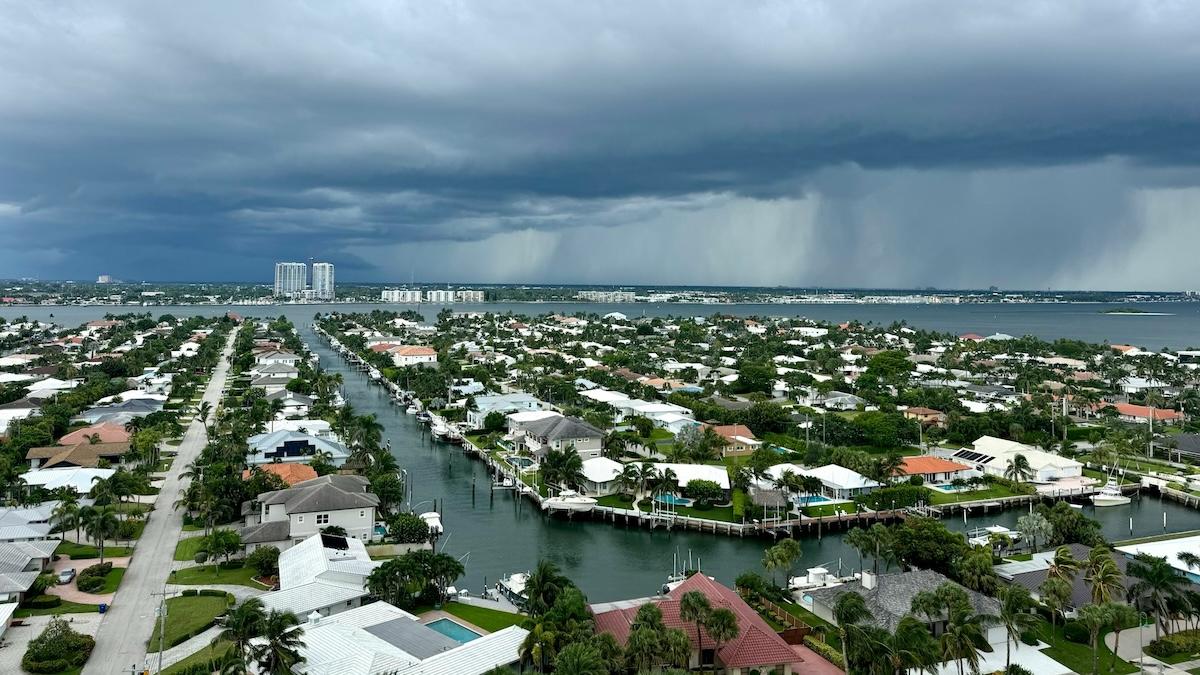
South Florida’s subtropical climate, marked by heavy rainfall and frequent flooding, creates a perfect environment for mold growth, especially during hurricane season. The region’s persistent humidity and water damage from storms pose significant challenges for residential and commercial property owners. Professional mold remediation services are essential to address these issues, protect health, and preserve property integrity. Learn more about South Florida’s climate, the impact of heavy rain and flooding, the rapid growth of mold, associated health risks, and key tips for selecting the best mold remediation company to handle mold inspections, testing, and removal.
South Florida’s Climate: A Breeding Ground for Mold
South Florida’s climate is defined by high humidity, warm temperatures, and abundant rainfall. With average dew points above 60°F and relative humidity often exceeding 60%, the region ranks among the most humid in the U.S. Annual rainfall averages 60-70 inches, with much of it concentrated during the wet season. This moisture-rich environment, combined with temperatures rarely dipping below 60°F, creates ideal conditions for mold proliferation. Unlike colder regions where mold growth may slow seasonally, South Florida’s year-round warmth allows mold to thrive continuously, particularly when water damage occurs.
Heavy Rainfall and Flooding During Hurricane Season
The Atlantic hurricane season, running from June 1 to November 30, brings the heaviest rainfall and most severe flooding to South Florida, with peak activity from August to October. Tropical storms and hurricanes deliver torrential downpours, storm surges, and overflowing waterways, overwhelming drainage systems and inundating properties. Even non-hurricane events, like prolonged rainstorms, can cause significant flooding due to the region’s flat terrain and saturated soils. Floodwater enters homes and businesses through roof leaks, broken windows, or ground-level seepage, while indoor sources like burst pipes or malfunctioning HVAC systems exacerbate moisture issues. These conditions introduce excessive water that fuels rapid mold growth.
How Mold Grows Fast Due to Water Damage
Mold thrives in damp, warm environments, and water damage from heavy rain or flooding provides the perfect catalyst. Mold spores, naturally present in the air, settle on wet surfaces like drywall, carpeting, wood, or insulation and begin colonizing within 24-48 hours. South Florida’s humidity prevents natural drying, allowing mold to spread quickly through porous materials and hidden areas like wall cavities, under flooring, or within HVAC systems. Contaminated floodwater, carrying sewage or chemicals, can accelerate mold growth and introduce harmful pathogens. Without prompt intervention, mold can overtake entire properties, making mold remediation more complex and costly.
The Health Risks of Mold Exposure
Mold exposure poses significant health risks, particularly in the aftermath of flooding when spores become airborne or circulate through ventilation systems. Inhaling or contacting mold spores and mycotoxins can cause allergic reactions (sneezing, runny nose, red eyes, rashes), respiratory problems (coughing, wheezing, asthma exacerbation), and, in severe cases, chronic illnesses or toxic effects from molds like black mold (Stachybotrys chartarum). Vulnerable groups, including children, the elderly, and those with weakened immune systems, face heightened risks. Prolonged exposure in water-damaged properties can degrade indoor air quality, leading to persistent health issues. Professional mold remediation is critical to eliminate mold and restore safe living and working conditions.
Why Professional Mold Remediation Services Are Essential
DIY mold removal is rarely effective and can worsen the problem by spreading spores or failing to address hidden growth. Professional mold remediation services offer comprehensive solutions, integrating water damage restoration, mold inspections, testing, and removal to ensure long-term results. These services include extracting standing water with industrial pumps; drying structures using dehumidifiers and air movers; detecting hidden moisture with infrared cameras and moisture meters; containing affected areas to prevent cross-contamination; removing mold with HEPA filtration and EPA-approved solutions; and repairing or replacing damaged materials. Professionals also address underlying moisture sources, such as leaks or poor ventilation, to prevent recurrence. Licensed remediators comply with Florida regulations and industry standards, ensuring safe, effective outcomes, often required for insurance claims related to storm damage.
Tips for Selecting the Best Mold Remediation Company
Choosing the right mold remediation company is crucial for protecting your property and health. Here are key tips for residential and commercial property owners:
Confirm Licensing and Certifications: Florida requires mold remediators to hold specific licenses (MRSR or MRSA). Verify certifications from organizations like the Institute of Inspection, Cleaning and Restoration Certification (IICRC) to ensure expertise and compliance with industry standards.
Seek Local Experience: Consider hiring a mold remediation company in South Florida with a proven track record of success, where humidity and hurricane-related water damage present unique challenges. Local firms understand regional building types and climate-driven mold issues.
Check Reviews and References: Research online reviews on Google, Yelp, or the Better Business Bureau for insights into reliability and customer satisfaction. Request references from past clients to confirm the company’s quality and professionalism.
Ensure Comprehensive Services: The best companies offer end-to-end solutions, including water damage restoration, mold inspections with air and surface testing, and thorough remediation. Post-remediation testing to verify mold elimination is a sign of quality service.
Demand Transparency and Fast Response: Choose a company that provides free, detailed estimates and clear pricing. Given mold’s rapid growth, prioritize firms offering same-day inspections and quick remediation, especially post-flooding.
Verify Insurance: Ensure the mold removal company is fully insured with general liability and workers’ compensation coverage to protect you from liability during the remediation process.
By following these tips, property owners will be equipped to hire the best mold remediation company who is capable of addressing mold effectively and restoring safe, healthy environments.
Act Swiftly with Professional Mold Remediation
Heavy rain and flooding during South Florida’s hurricane season create a persistent threat of mold growth, endangering health and property. The region’s humid climate and rapid mold proliferation demand professional intervention to address water damage and eliminate mold safely. By choosing a licensed, experienced, and transparent mold remediation company, residential and commercial property owners can protect their investments and well-being. Don’t let mold take hold—act quickly after flooding to schedule a professional mold inspection and mold remediation service. With the right mold removal experts, you can restore your property to a mold-free state and prevent future issues, ensuring peace of mind in South Florida’s challenging climate.