

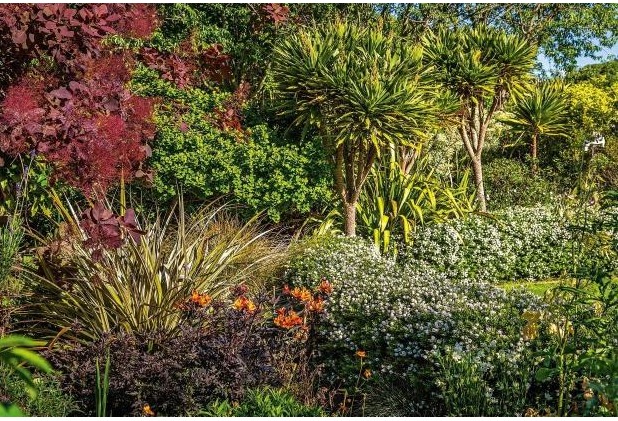
When it comes to selecting plants that thrive effortlessly in New Zealand’s unique climate and enhance the beauty of local gardens, Hebe plants stand out as a top choice. Known for their evergreen foliage, vibrant flowers, and adaptability, Hebes are among the most popular New Zealand native shrubs. Whether you’re a seasoned gardener or a beginner looking to add some charm and structure to your outdoor space, Hebe plants offer a winning combination of aesthetics and resilience.
In this article, we’ll explore what makes Hebes such exceptional garden plants, how to grow and care for them, and why they are considered the quintessential New Zealand native shrubs for gardens across the country.
What Are Hebe Plants?
Hebe is a genus that includes more than 100 species of evergreen shrubs native to New Zealand, with some species also found in parts of South America and French Polynesia. They are well-known for their attractive, glossy leaves and delicate flower spikes that bloom in a range of colors including white, purple, pink, and blue. These flowering shrubs vary in size from low-growing ground covers to taller shrubs, making them versatile additions to any garden.
Being native to New Zealand, Hebes are perfectly adapted to the local climate, soil conditions, and seasonal changes, giving gardeners a natural advantage when cultivating them.
Why Choose Hebe Plants for Your Garden?
Evergreen Beauty All Year Round
One of the key reasons Hebe plants are beloved in New Zealand gardens is their evergreen nature. Unlike deciduous plants that lose their leaves in autumn and winter, Hebes maintain their rich green foliage throughout the year. This means your garden will retain structure, color, and interest in every season.
Stunning Flowers That Attract Wildlife
Hebe plants bloom for extended periods, often from spring through to autumn, showcasing beautiful spikes of flowers. These blooms are not only visually appealing but also attract native pollinators such as bees and butterflies, supporting local biodiversity and creating a lively garden environment.
Adaptability and Hardiness
As true New Zealand native shrubs, Hebes are remarkably hardy. They can thrive in a variety of soil types as long as drainage is good and tolerate coastal conditions, wind, and even light frost. This resilience makes them an excellent low-maintenance option for both urban and rural gardens.
Versatility in Landscaping
Whether you want to create a formal hedge, a colorful border, or a striking feature plant, Hebe species and cultivars offer something for every garden style. Their range of sizes and flower colors allows for creative planting schemes that can soften hard edges, frame paths, or provide privacy screens.
Popular Hebe Varieties for New Zealand Gardens
There are many Hebe varieties available, each with unique characteristics. Some favorites include:
- Hebe ‘Wiri Mist’: A compact shrub with white flowers, ideal for smaller gardens or container planting.
- Hebe ‘Emerald Gem’: Known for its fine foliage and dense growth, perfect for hedging.
- Hebe ‘Purple Gem’: Features deep purple leaves with contrasting pink flowers, adding vibrant color contrast.
- Hebe ‘Great Orme’: A larger variety with soft grey-green leaves and pale lilac flowers, suitable for more spacious gardens.
These varieties demonstrate the diversity and beauty Hebes can bring to your garden landscape.
How to Grow and Care for Hebe Plants
Planting
Hebe plants prefer well-draining soil and a sunny to partly shaded position. When planting, ensure the site is sheltered from strong winds to protect the foliage and flowers. Space plants according to their mature size, generally around 40 to 60 cm apart for hedges or clusters.
Watering
While Hebes are drought-tolerant once established, regular watering during dry spells, especially in the first year, helps them develop strong roots. Mulching around the base retains moisture and suppresses weeds.
Feeding
Apply a balanced, slow-release fertilizer in early spring to support new growth and flowering. Organic compost or well-rotted manure can also be added to enrich the soil.
Pruning
To keep Hebe plants healthy and looking their best, prune lightly after flowering. This encourages bushier growth and more blooms the following season. Avoid cutting into old wood, as this can damage the plant and slow recovery.
Pest and Disease Management
Hebe plants are generally robust and resistant to most pests and diseases. Occasionally, they may attract aphids or scale insects, which can be managed with insecticidal soaps or horticultural oils. Good airflow around plants helps prevent fungal diseases.
Incorporating Hebe Into Your Garden Design
Because of their versatility, Hebe plants fit well into a variety of garden designs:
- Hedges and Screens: Create dense, evergreen boundaries for privacy and shelter.
- Borders and Edges: Use colorful Hebes to line pathways or flower beds.
- Rock Gardens and Coastal Gardens: Their tolerance to poor soil and salt spray makes them ideal for challenging sites.
- Containers and Patios: Smaller Hebe varieties thrive in pots, adding greenery and seasonal flowers to outdoor living areas.
Why Hebe Plants Are Among the Best New Zealand Native Shrubs
Choosing native plants benefits both your garden and the environment. Hebe plants, as quintessential New Zealand native shrubs, require fewer inputs such as water, fertilizers, and pesticides compared to many exotic species. They also provide valuable habitat and food sources for native wildlife, supporting the ecological health of your area.
Moreover, planting native species helps preserve New Zealand’s unique botanical heritage, allowing you to connect with the natural landscape in your own backyard.
Where to Buy Hebe Plants in New Zealand
If you’re inspired to add Hebes to your garden, many nurseries and garden centers across New Zealand stock a wide range of varieties. The Plant Company is one trusted source where you can find healthy plants suited to local growing conditions.
When selecting your Hebes, look for vibrant foliage and healthy root systems to ensure the best start in your garden.
Conclusion
Hebe plants are a beautiful, resilient, and versatile choice for gardeners seeking the best New Zealand native shrubs. Their evergreen foliage, long-lasting flowers, and adaptability make them perfect for enhancing any garden space—whether you want a flowering hedge, a decorative border, or a container plant.
By choosing Hebes, you’re not only adding year-round beauty to your garden but also supporting New Zealand’s native flora and fauna. Start planning your Hebe planting today and enjoy a thriving, colorful garden for years to come!