

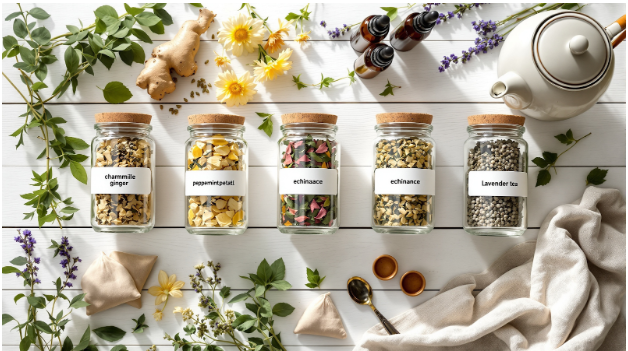
Learn which 5 herbs to start with, how to use them safely, and avoid the 7 most common mistakes that waste money and time.
You’re standing in the supplement aisle, staring at rows of bottles with labels promising better sleep, stronger immunity, and natural healing. The chamomile tea box says one thing. The internet says another. Your friend swears by something completely different.
This confusion stops most people before they start.
I’ve spent over a decade teaching people how to use plant medicine safely. The good news? You don’t need to become an expert overnight. You need five reliable herbs, clear instructions, and honest information about what works and what doesn’t.
This guide gives you exactly that. No miracle claims. No complicated processes. Just practical steps to make your first herbal remedies at home with confidence.
Why Start with Herbal Remedies?
Humans used plants as medicine long before pharmacies existed. Today, about 80% of people worldwide still rely on herbal medicine for some aspect of their healthcare, according to the World Health Organization.
Plant medicine can support your immune function, ease minor ailments, and promote better sleep. It works gently, usually causes fewer side effects than pharmaceuticals, and costs less than most over-the-counter medications.
But herbs have limits. They won’t cure serious diseases. They can’t replace emergency medical care. They work alongside modern healthcare, not instead of it.
“Was my grandmother wrong to use herbs for everything?”
Not wrong, just working with what she had. Today, you get the best of both worlds = traditional plant knowledge backed by modern research.
The 5 Essential Herbs Every Beginner Should Start With
These five herbs have strong safety profiles, decades of research behind them, and consistent results. You’ll find them at most health food stores, and they won’t break your budget.
Chamomile: Your Gateway Herb
German chamomile (Matricaria chamomilla) works for sleep problems, digestive upset, mild anxiety, and skin irritation. It tastes pleasant, rarely causes problems, and forgives dosage mistakes.
The active compound apigenin binds to receptors in your brain that promote relaxation. This isn’t pseudoscience. Multiple studies show chamomile reduces anxiety symptoms and improves sleep quality.
How to use it:
- Steep 1-2 teaspoons of dried flowers in 8 oz of water
- Cover and wait 5-10 minutes
- Drink up to 3-4 cups daily
- Take 30 minutes before bed for sleep support
You’ll feel a mild calming effect within 30-45 minutes. It’s gentler than medication, which frustrates some people expecting instant knockout power. That gentleness is actually the advantage for regular use.
One warning: If ragweed makes you sneeze, chamomile might trigger allergies. They’re botanical cousins. Test a small amount first.
Cost: $8-15 for 4 oz provides 30-40 servings.
Ginger: The Nausea Fighter
Ginger (Zingiber officinale) sits in your kitchen right now, probably. That familiar root treats nausea, motion sickness, digestive bloating, and inflammation.
Gingerols and shogaols create that warming sensation you feel. They also block signals in your gut that trigger nausea. Studies on chemotherapy patients and pregnant women show ginger reduces nausea without the drowsiness of medication.
How to use it:
- Grate a 1-inch piece of fresh root
- Steep 10 minutes in hot water
- Or use 1/4 to 1/2 teaspoon dried powder per cup
- Drink 2-3 cups daily, or as needed
- Take 30 minutes before travel for motion sickness
Fresh ginger works faster and stronger than old dried powder. You’ll notice relief within 15-30 minutes.
Be careful if you take blood thinners. Ginger affects clotting. It can also worsen heartburn in some people, so start with small amounts if you have reflux.
Cost: Fresh root runs $3-5 per pound. Dried organic powder costs $10-12 for 4 oz.
Peppermint: Fast Relief for Digestion
Peppermint (Mentha x piperita) handles digestive discomfort, tension headaches, mental fog, and respiratory congestion. It tastes good, works quickly, and offers multiple preparation methods.
Menthol provides that cooling effect while relaxing smooth muscle in your digestive tract. The American College of Gastroenterology recognizes peppermint oil as effective for IBS symptoms.
How to use it:
- Use 1 tablespoon fresh leaves or 1 teaspoon dried per cup
- Steep 5-7 minutes covered
- Drink 2-3 cups daily between meals
- For congestion, add a handful to a bowl of hot water and inhale the steam
Timing matters. Drink peppermint tea between meals, not with them, especially if you have acid reflux. The muscle-relaxing effect that helps digestion can also relax the valve between your stomach and esophagus.
“But won’t peppermint tea from the grocery store work?”
Yes, but quality varies wildly. Organic loose leaf peppermint has stronger effects than bargain tea bags.
Growing your own takes zero skill. (Ed. note: Peppermint spreads aggressively, so plant it in containers unless you want it everywhere.)
Cost: $8-12 for 4 oz of quality dried leaves.
Echinacea: Immune Support That Works
Echinacea (Echinacea purpurea) supports your immune system when you feel a cold coming on. Research shows it may shorten cold duration by 1-2 days if you start early.
The polysaccharides and alkylamides stimulate immune cell activity. A meta-analysis published in Lancet Infectious Diseases found echinacea reduced cold incidence by 58% and duration by 1.4 days.
How to use it:
- Steep 1-2 teaspoons root or aerial parts for 10-15 minutes
- Drink 3 cups daily at first sign of illness
- Use for 7-10 days maximum
- Don’t take it daily as prevention
Timing determines success. Start within the first 24 hours of symptoms. Waiting until day three gives you disappointing results.
Echinacea stimulates your immune system, which sounds great until you realize people with autoimmune conditions shouldn’t stimulate that system further. Skip this herb if you have lupus, MS, or rheumatoid arthritis.
Cost: $12-16 for 2 oz of quality root.
Lavender: Gentle Anxiety Relief
Lavender (Lavandula angustifolia) addresses anxiety, sleep quality, headaches, and minor skin irritation. It smells pleasant, works through multiple routes, and offers both internal and external use.
Linalool and linalyl acetate interact with your nervous system to reduce anxiety. A 2019 study in Molecules found lavender oil as effective as some anti-anxiety medications for generalized anxiety disorder.
How to use it:
- Steep 1 teaspoon dried buds for 5 minutes (strong flavor, often blended with other herbs)
- Place dried buds in a muslin sachet near your pillow
- Apply lavender-infused oil to minor burns after cooling
- Use 1-2 cups of tea daily, or aromatherapy nightly
Lavender works subtly. You won’t feel drugged or heavily sedated. You’ll notice you fall asleep faster and wake up less during the night.
The flavor in tea takes getting used to. Mix it half-and-half with chamomile until you develop a taste for it.
Cost: $10-14 for 2 oz of buds.
How to Make Herbal Tea the Right Way
Most people make weak, ineffective herbal tea because they treat it like grocery store black tea. Herbal medicine requires different techniques.
Equipment You Need
- Teapot or mason jar with a lid
- Fine strainer
- Measuring spoons
- Timer
The lid matters more than you think. Covering your tea while it steeps traps volatile oils = the compounds that actually work. Let those oils escape into your kitchen air, and you’re drinking flavored water.
The Basic Method
- Boil water and let it sit for 30 seconds (around 200-205°F, just under boiling)
- Measure 1 teaspoon dried herb per 8 oz water (double this for fresh herbs)
- Pour water over herbs in your pot or jar
- Cover immediately
- Set a timer based on what you’re steeping
- Strain and drink while warm
Steeping Times That Matter
- Flowers and leaves (chamomile, peppermint, lavender): 5-10 minutes
- Roots and bark (ginger, echinacea root): 10-20 minutes
- Seeds (crush first): 10-15 minutes
Longer doesn’t equal stronger with delicate herbs. Steep chamomile for 30 minutes, and you get bitter, unpleasant tea with degraded compounds.
“Can I make a big batch and reheat it?” You can, but don’t. Herbal tea loses potency after 24 hours in the fridge. Make it fresh each time for best results.
Three Mistakes That Ruin Your Tea
Using fully boiling water on delicate flowers destroys heat-sensitive compounds. That 30-second cooling period protects your medicine.
Not covering while steeping lets your most valuable compounds evaporate. Those essential oils in peppermint and lavender? Gone.
Making large batches seems efficient but gives you weaker tea. Water-based preparations break down quickly.
How to Make Simple Tinctures
Tinctures = alcohol-based extracts that concentrate herbs and preserve them for years. You measure doses in drops instead of cups, carry them easily, and extract compounds that water can’t touch.
This method takes weeks to complete but requires only minutes of actual work.
What You Need
- Clean glass jars with tight lids
- 80-100 proof vodka or brandy (40-50% alcohol)
- Your chosen dried or fresh herbs
- Cheesecloth or fine strainer
- Labels and permanent marker
- Dark glass dropper bottles for storage
The Folk Method for Beginners
Professional herbalists use precise ratios calculated by weight. You’re going to use the simpler folk method that works perfectly well.
For dried herbs:
- Fill a jar 1/3 to 1/2 full with herbs
- Pour alcohol over herbs until they’re completely covered
- Add 1-2 inches of alcohol above the herbs
For fresh herbs:
- Fill jar 3/4 full (fresh herbs contain water)
- Cover completely with alcohol
- Again, keep 1-2 inches above plant material
Fresh herbs need more plant material because you’re accounting for their water content. Dried herbs expand when they absorb alcohol.
The Waiting Game
- Label your jar with the herb name and date
- Seal tightly and shake well
- Store in a cool, dark place for 4-6 weeks
- Shake the jar every few days when you remember
- After 4-6 weeks, strain through cheesecloth
- Squeeze the herbs to extract all liquid
- Store finished tincture in dark dropper bottles
Dark glass protects your medicine from light degradation. Clear bottles in sunny kitchens create expensive, ineffective liquid.
Dosage Guidelines
Standard adult dose: 30-60 drops (1-2 dropperfuls), taken 2-3 times daily.
Place drops under your tongue, hold 30 seconds, then swallow. This sublingual method gets compounds into your bloodstream faster than swallowing immediately.
Some people dislike the taste of alcohol. Mix drops into a small amount of water or juice.
Best Candidates for Tinctures
Echinacea works better as a tincture than tea. The alcohol extracts compounds and water misses.
Ginger tincture travels well for motion sickness. Keep a bottle in your car or purse.
Some herbs with resins or oils need alcohol extraction. But your five starter herbs all work as tea or tincture based on your preference.
The Alcohol-Free Option
“I can’t use alcohol. Now what?”
Vegetable glycerin works as an alternative. Mix 3 parts glycerin with 1 part water, then follow the same process. Glycerites taste sweeter and work well for children.
They’re less potent than alcohol tinctures but still effective. Many herbalists prefer them for kids and people in recovery.
Critical Safety Guidelines
Herbal medicine sits in this strange zone between food and pharmaceuticals. That in-between status confuses people about safety.
Natural doesn’t automatically mean safe. Poison ivy is natural. So is arsenic.
Rule #1: Quality Determines Results
Buy organic herbs when possible. Pesticides concentrate when you steep or tincture plants. You’re making medicine, not just tea.
Source from reputable suppliers. I recommend Mountain Rose Herbs, Starwest Botanicals, and Frontier Co-op. They test for contaminants and provide fresh herbs.
Avoid unmarked bulk bins at random stores. You don’t know how long those herbs sat there or how they were stored.
Never wildcraft (harvest wild plants) until you have expert identification skills. One woman’s wild carrot is another woman’s deadly poison hemlock. They look nearly identical to beginners.
Rule #2: Start Low, Go Slow
Begin with the weakest recommended dose. Wait 24 hours. Assess how you feel. Then increase if needed.
Add one new herb at a time. Multiple new herbs at once make it impossible to know which caused any reaction.
Keep simple notes. Date, herb name, amount, and effects. This record helps you spot patterns.
Rule #3: Know Your Drug Interactions
According to the American Botanical Council, herb-drug interactions happen less often than drug-drug interactions. But they happen.
- Chamomile may enhance sedative medications and increase bleeding risk with blood thinners like warfarin.
- Ginger amplifies blood-thinning medications. It may also affect diabetes medications by lowering blood sugar.
- Peppermint can reduce how well antacids work. It may interfere with iron absorption if you’re treating anemia.
- Echinacea should be avoided with immunosuppressant drugs. It may interact with medications processed by your liver.
- Lavender may enhance sedative effects of medications and can interact with blood pressure drugs.
Always tell your doctor and pharmacist about any herbs you take. Bring the bottles to appointments. Many healthcare providers lack herbal training but can check for interactions in their databases.
Rule #4: Pregnancy and Nursing Require Extra Caution
Many herbs cross the placenta or enter breast milk. Your developing baby processes substances differently than you do.
Safe choices in small amounts: ginger for nausea, occasional chamomile tea.
Avoid: strong herbs, high doses, anything that stimulates the uterus or affects hormones.
Better choice: Consult a clinical herbalist who specializes in pregnancy. Don’t rely on internet forums for this decision.
Rule #5: Children Need Different Dosages
Adult dosages can overwhelm a child’s smaller body. A general rule adjusts by weight: a 50-pound child gets roughly 1/3 of an adult dose.
Safest herbs for children: chamomile, small amounts of ginger, lavender used externally.
Avoid for young children: echinacea under age 2, peppermint under age 6 (can cause breathing difficulty in young children).
Stop Immediately If You Experience:
- Skin rash, hives, or itching
- Difficulty breathing or swallowing
- Unusual rapid heartbeat
- Severe headache or dizziness
- Digestive distress that worsens
- Any symptom that genuinely concerns you
Trust your gut. Something feels wrong? Stop using that herb and consult your healthcare provider.
When Herbs Aren’t Enough
High fever over 103°F needs medical evaluation. Symptoms lasting more than 7-10 days despite herbal support need professional diagnosis.
Severe pain, signs of infection (spreading redness, pus, swelling), chest pain, or breathing difficulty all require immediate medical care.
Herbs support wellness. They don’t replace emergency care or treatment for serious conditions.
What to Avoid as a Beginner
Some herbs carry risks that outweigh benefits for beginners. Save these for later when you have more knowledge and experience.
Herbs Too Dangerous for Starting Out
- Ephedra (Ma Huang) causes cardiovascular problems. Many countries banned it after deaths linked to weight-loss supplements.
- Kava shows promise for anxiety but carries liver toxicity risks. It requires expertise to use safely.
- Comfrey makes excellent external healing salves. Internal use damages your liver.
- Pennyroyal was historically used for various purposes but is toxic in doses only slightly higher than “therapeutic” amounts.
Start with the safest, most-studied herbs. Work your way up as your knowledge grows.
Marketing Traps That Waste Money
“Proprietary blends” list ingredients but hide amounts. You can’t verify if you’re getting effective doses or just filler.
Miracle cure claims should trigger your skepticism. No single herb cures cancer, regrows hair, melts belly fat, and improves your marriage.
Extremely cheap herbs often indicate poor quality or adulteration. Good herbs cost money to grow, harvest, and process properly.
Multi-level marketing companies overprice products and make exaggerated claims. You can get better quality for less money elsewhere.
Preparation Mistakes to Skip
Making months-long supplies of tea seems efficient. Those teas lose potency sitting in your cupboard.
Metal containers for long-term storage can leach into herbs and tinctures. Use glass.
Exposing herbs to heat and light degrades active compounds. That pretty glass jar on your sunny windowsill destroys your medicine.
Not labeling preparations creates dangerous confusion. “Was this chamomile or lavender? Did I make this last week or last month?”
Question Your Information Sources
Social media health influencers often lack actual credentials. “Certified health coach” doesn’t equal herbal medicine training.
Blogs without cited research tell you what sounds good, not what works.
“Ancient secret” marketing language usually hides weak evidence. Truly ancient remedies don’t need that kind of hype.
Any source claiming herbs replace all medication either sells herbs or doesn’t understand medicine.
Better Resources to Trust
- The American Botanical Council (abc.herbalgram.org) provides evidence-based information.
- The National Center for Complementary and Integrative Health (nccih.nih.gov) offers research summaries on herbs.
- Books by clinical herbalists carry more weight than celebrity wellness authors. The Lost Book of Herbal Remedies offers a comprehensive collection of traditional remedies if you want to explore historical plant medicine applications alongside modern research.
- Certified herbalists in your area can provide personalized guidance. The American Herbalists Guild maintains a practitioner directory.
Building Your Herbal Starter Kit
You don’t need expensive equipment. You need basic supplies that work.
Equipment Under $50
- Glass teapot with built-in strainer: $15-25
- Measuring spoons: $5
- Two 16 oz mason jars with lids: $4
- Small fine-mesh strainer: $8
- Cheesecloth: $3
- Dark glass dropper bottles (2 oz, set of 3): $10
- Labels and permanent marker: $3
Total: $48-58
This equipment handles tea-making and simple tinctures. Add fancier tools later if this practice sticks.
Your First Herb Order Under $60
- Chamomile flowers, 4 oz: $12
- Dried ginger root, 4 oz: $10
- Peppermint leaf, 4 oz: $10
- Echinacea root or herb, 2 oz: $14
- Lavender buds, 2 oz: $10
Total: $56
These amounts provide 2-3 months of regular use. You’ll know by then which herbs you actually use and which sit untouched.
Storage That Preserves Potency
Keep herbs in sealed containers away from heat and light. A cool, dark cupboard works perfectly. Your counter looks pretty with visible herb jars but destroys potency.
Label containers with purchase dates. Herbs lose strength after 1-2 years. Whole herbs last longer than powdered forms.
Grind small amounts as needed rather than buying pre-powdered herbs when possible.
When to Expand Your Collection
Wait three months of consistent use. By then, you know which herbs work for your body and which ones don’t.
Add 2-3 new herbs at a time. This pace lets you learn each herb properly.
Invest in higher-quality equipment as you gain confidence. Beginners don’t need $100 teapots.
Next Steps in Your Herbal Journey
You’ve got the foundation. Now build on it gradually.
Take a local plant walk led by a certified herbalist. Learning to identify plants in your area deepens your connection to herbal medicine.
Join online herbal learning communities. The Herbal Academy and Chestnut School of Herbal Medicine both offer free resources alongside their paid courses.
Read “Rosemary Gladstar’s Medicinal Herbs: A Beginner’s Guide.” This book covers everything in more depth and includes recipes beyond tea and tinctures.
Keep a simple journal. Write down what you use, when, and what happened. Over time, you’ll see patterns in what works for your body.
Expand your practice gradually. Add 1-2 new herbs every 2-3 months. Learn one new preparation method like salves or infused oils. Try herbal combinations designed for specific goals.
Consider growing 2-3 easy herbs at home. Chamomile, peppermint, and lavender all grow well in containers with minimal care.
Find herbal mentors. Local herb shops often offer classes. Community education programs sometimes include herbal medicine courses.
Stay curious but patient. Herbal medicine works subtly over time. Results vary between individuals based on dozens of factors. Traditional knowledge combined with modern research creates the best approach.
Your confidence grows with consistent, safe practice. You’ve taken the first step into a practice humans have used for thousands of years.
Start with just one herb this week. Make that chamomile tea. Notice how you feel. Write it down. That’s how every herbalist begins.