

I’ve spent more than a decade writing about home improvement, power systems, and emergency preparedness, and therefore I’ve got the opportunity to research and test plenty of generators. One of the most frequent queries I get from homeowners is the following: what is the home generator cost? The answer of their cost is wide depending on generator type, the capacity, brand, installation, and use. However, in this guide, I’m going to take you through everything you need to know, such that you can make an informed and cost effective choice.
Understanding Home Generator Cost: An Overview
The price of a home generator is from several hundreds of dollars to more than $15,000 depending on its model and application. At the lower level, there are portable generators that can be between $500 and $2,500. These are suitable for short power-outages, and small households. At the higher end, there are the standby generators, commonly used as whole-house backup systems, whose base units will cost anywhere from $3,000 and upwards to several thousand dollars without installation.
From the experience of helping homeowners pick power systems for their homes, I have witnessed a lot of homeowners undervalue because they just think about the sticker price of the generator. The actual cost is not only the unit’s price, but the installation fees, fuel sources connections, transfer switches, and perpetual maintenance.
Factors That Affect Home Generator Pricing
There are a number of variables that will determine how much you will pay for a generator. Power capacity is one of the biggest considerations that is typically stated in kilowatts (kW). A small 7kW generator will only power the essential circuits while in a large homestead a 22kW will be able to run nearly everything from HVAC systems, the kitchen appliances and lighting.
The type of fuel that is used by a generator – whether it’s gasoline, diesel, natural gas or propane also affects the cost. Natural gas and propane generators are more expensive initially but are more efficient and cheaper in terms of fuel in the long-term. Diesel generators, as reliable and long-lasting as they are, are usually accompanied by the higher fuel costs and emission concerns.
Installation will cost a lot and it can vary greatly, unless electricity upgrades or gas line installations are not needed. As a general rule, you are likely to spend between $1500 and $5000 for the professional installation. This entails labor, permits, wiring, transfer switches and utility integration. From my experience, it is always better to hire a licensed technician, which guarantees safety, compliance, and long-term reliability.
Portable vs Standby Generators: Which Costs More?
There is a clear gap not only in standby generator costs vs. portable generator costs but also of functionality here. Portable generators are also more affordable when it comes to initial costs as it is cheaper than permanent generators. However, they need to be set up manually, cannot run your whole house on their own, and, most often than not, run on gasoline, which you will have to refill during protracted power outages.
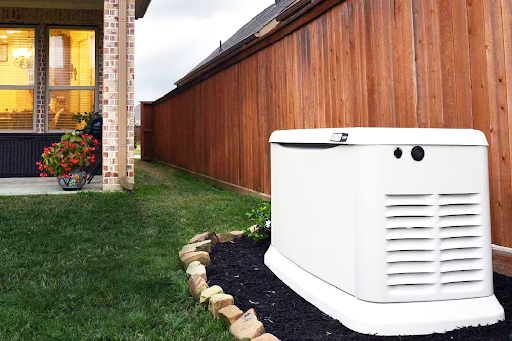
Standby generators, although costly, are permanent aspects. They will turn on automatically when there is an outage, they can run for days or even weeks and they normally hook up directly into your home’s gas line. Although you may spend $7,000 – $15,000 all together on the purchase, installation, the convenience and peace of mind are unbeatable. I have witnessed it myself, in the long power outages resulting from winter storms when dwellings with standby units remained warm, lit, and functioning without bother.
Ongoing Maintenance and Operating Costs
The cost incurred to own a home generator does not end at the installation process. Generators are no different from the machines and they need to be maintained. This involves changing oil, replacing the filters, and annual inspections. For a standby generator, you will have to pay $150 – $300 per year for the maintenance services.
Fuel is also another critical operating expenditure. A portable gasoline generator can consume 0.75 gallons per hour at load level of 50 per cent whereas a 20kW natural gas standby unit may account for 3.5 therms per hour. Depending on the local fuel prices, this can accumulate, especially in such long outages. I usually advise home owners to calculate fuel costs in advance and have them available in times of emergencies.
There are some generators with remote monitoring and automatic diagnostics that can reduce the number of necessary maintenance proceedings and prevent a WiFi router WeMate from a sudden emergency. I’ve discovered that it is actually possible to save money on ownership in the long-term by investing in a smart-enabled generator because it can catch problems early on.
Are Home Generators’ Worth the Investment?
In many cases, absolutely. When looking at a return on investment for a home generator, it can be gauged not only monetarily, but within convenience and security. For those households with remote workers, medical equipment, or children, it can be a critical item to have access to uninterrupted power. Power outages impose more than $150 billion of financial burden on the Americans in terms of decreased productivity and losses according to the U.S. Department of Energy.
In my professional opinion, this investment of several thousand dollars in a good generator will be justified if you reside in the place, which is subject to extreme weather or rolling power cuts, or a discordant service of the utility. I’ve even talked to homeowners who said that they recovered their entire cost of their generator within the first year because of a sudden ice storm.
FAQs About Home Generator Cost
What is the average total cost to install a whole house generator?
The average cost will be between $7000 – $15000 that includes the cost of Generator unit, Installation work, Transfer Switch, Permits and Fuel hook up. The bigger home we may go even out of this range, the complex installations may.
Is it cheaper to install a generator while building a house?
Yes, the installation of a standby generator along with installation for the construction process saves cost as there would be no need to retrofit electrical and gas systems after construction. The labor and permit costs are also typically cheaper during new builds.
Do generators that are used in homes affect the value of property?
A professionally installed generator can add value to a home and also appeal to a potential buyer in an area that always has outages. It is a good home upgrade in various real estate markets.
I wonder whether there are financing options for home generators.
Several manufacturers and dealers provide financing plans to allow for a gradual payment of several months or even years. This is more convenient for homeowners as they do not have to make up-front cash payments to acquire high end models.
Can I install a generator myself so as to reduce spending on labor cost?
Although you can install a portable generator yourself, it is always advisable to have an experienced professional install a standby system because of safety, compliance, and warranty issues.
Final Thoughts
There are a lot of factors that affect home generator cost you’ll pay-type of generator, source of fuel, installation procedures, and long-term maintenance. But one thing is clear: investing in back up power can do more than just provide electricity. It gives you peace of mind, it secures your household, and it also guarantees your daily living is not hindered by blackouts.
From the years I have been conducting research and dealing with residential power systems in a hands-on manner, I recommend each homeowner to identify his needs, to be frugal with his budget and to select a generator that fits his lifestyle. In the long term, the right generator isn’t a product but is a safety net for home.
READ ALSO: 2025 NFL Draft: San Francisco 49ers Needs