

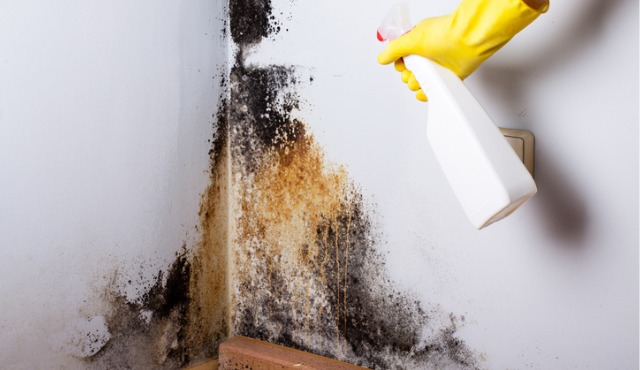
Mold can creep into homes silently and grow fast. It starts small, maybe a bit of musty smell in the corner of your bathroom or a few dark spots on the wall. But behind those signs, there could be a serious issue putting your health and home at risk.
In this guide, we’ll break down everything you need to know about mold remediation services — how they work, why they matter, and how to choose the right provider to make your space safe again.
What Is Mold and Why Should You Worry?
Mold is a type of fungus that thrives in damp, warm environments. It spreads through tiny spores that float in the air and land on surfaces. Once mold finds moisture, it grows quickly.
While some mold types are harmless, others produce allergens or even toxins. Mold exposure can affect anyone, but it’s especially risky for:
- Children and the elderly
- People with asthma or allergies
- Those with weakened immune systems
Even if health symptoms are not severe, mold can weaken structures and stain walls, ceilings, and floors. The longer it’s left untreated, the more damage it causes.
How Do You Know If You Need Mold Remediation?
Sometimes, mold is easy to spot. Other times, it hides in places you can’t see like inside walls, behind tiles, or under floors. If you notice any of the following, it’s time to consider mold remediation services:
- Persistent musty or earthy smell in certain areas
- Black, green, or grey spots on walls, ceilings, or fabrics
- Peeling paint or warped drywall
- Past flooding or water leaks
- Recurring respiratory issues or skin irritation in the home
Early detection is important. If mold is caught early, treatment is faster and less expensive. Delays only allow it to spread and worsen.
The Mold Remediation Process: What to Expect
Mold remediation isn’t just a cleanup job. It’s a detailed process designed to remove mold safely and prevent it from coming back. Professional mold remediation services follow a series of clear steps:
1. Inspection and Assessment
A trained technician inspects your property to find all areas affected by mold. They use moisture meters and infrared tools to locate hidden growth. Samples might be collected to identify the type of mold and level of contamination.
2. Containment
To prevent spores from spreading during the cleanup, affected areas are sealed using physical barriers and negative air pressure systems. This keeps the mold contained.
3. Air Filtration
High-efficiency air scrubbers with HEPA filters clean the air and capture mold spores. This is essential for protecting your indoor air quality during and after the cleanup.
4. Mold Removal
Depending on the extent of the damage, materials like drywall, carpeting, or insulation may be removed. Non-porous surfaces are scrubbed and cleaned using safe mold-killing agents.
5. Drying and Dehumidification
Without removing moisture, mold can return. Specialists use industrial fans and dehumidifiers to dry affected areas thoroughly.
6. Restoration and Repairs
Once the area is mold-free, any structural repairs or replacements are completed. This could involve repainting walls, installing new drywall, or replacing flooring.
Why DIY Mold Removal Often Fails
Many homeowners are tempted to handle mold removal themselves using bleach or store-bought sprays. While this may seem like a quick fix, it rarely solves the problem completely.
Here’s why DIY isn’t enough:
- Hidden mold may go untreated
- Improper handling can spread spores
- Health risks increase without protective gear
- Temporary results allow mold to return
Professional mold remediation services offer not only removal but long-term prevention. They address the root causes and follow industry standards for safety and effectiveness.
Choosing a Trusted Mold Remediation Company
Not all mold remediation providers are the same. When searching for help, make sure to:
- Check certifications – Look for IICRC or NADCA accreditation
- Read customer reviews – Focus on those who had similar problems
- Ask for an inspection report – A professional company will document the issue before offering solutions
- Compare prices – Avoid extremely cheap services that cut corners
- Verify insurance handling – Some companies assist with claims
The best providers are clear about their process and put your safety first. They should also educate you on how to prevent future issues.
Mold Prevention Tips for the Future
After your home has been treated, the next step is making sure mold doesn’t return. Here are easy ways to lower the risk:
- Keep indoor humidity below 50%
- Use exhaust fans in kitchens and bathrooms
- Repair leaks as soon as they happen
- Clean and inspect gutters regularly
- Use mold-resistant paint or materials in high-moisture areas
If your home has a history of water damage or high humidity, consider a yearly inspection from a mold specialist.
Can Mold Affect Property Value?
Yes, mold can lower your home’s value. Potential buyers are often turned away by signs of mold or a history of infestation. Even if the issue is resolved, poor documentation or visible damage can reduce offers.
Using licensed mold remediation services ensures you get a detailed report, proof of treatment, and a certificate of clearance. These documents can be shown during home inspections or sales.
Understanding Insurance and Mold
Home insurance may or may not cover mold cleanup. Coverage often depends on what caused the mold. If it was due to a sudden plumbing leak, it might be covered. However, mold from long-term humidity or neglect usually isn’t.
Before you begin remediation, speak with your insurance provider. A good restoration company can also help you navigate the claims process and provide the necessary documentation.
Final Thoughts: Don’t Wait to Take Action
Mold is more than an eyesore. It affects your home, your health, and your peace of mind. Taking it seriously means acting fast and calling the right experts.
Mold remediation services are your best defense against recurring mold problems. They offer thorough inspections, safe removal, and lasting results that protect both your living space and your well-being.
If you see or suspect mold, don’t ignore it. The sooner you act, the easier it is to handle.