

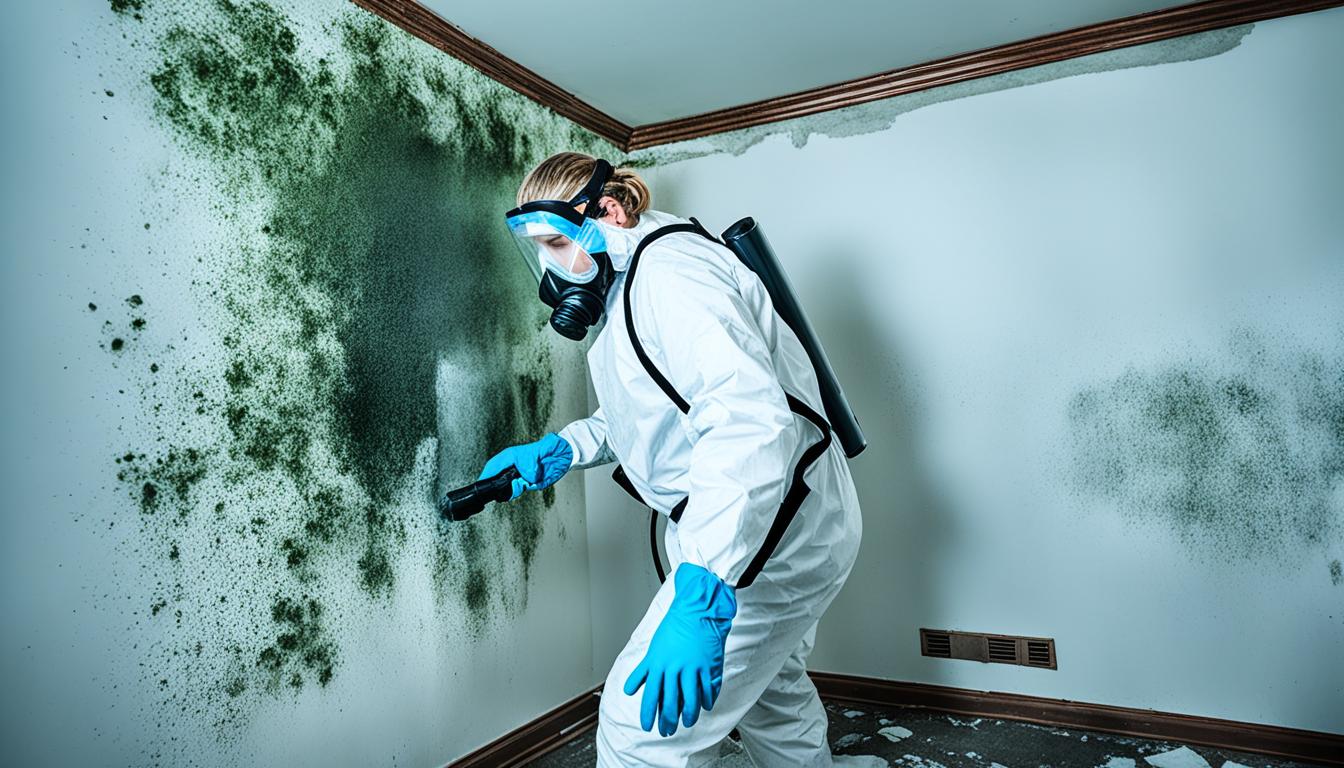
Mold is more than an eyesore. It’s a quiet intruder that can turn a healthy indoor environment into a breeding ground for respiratory issues, structural decay, and financial strain. Whether it starts in a damp bathroom, behind drywall, or near a leaking roof, mold spreads fast — and it rarely goes away on its own.
If you’ve spotted black spots on your wall, smelled a musty odor, or recently experienced a leak or flood, you may need professional mold remediation services. Acting early can save your health, your home, and your wallet.
What Is Mold and Why Does It Grow Indoors?
Mold is a type of fungus that thrives in moist, dark, and unventilated areas. It reproduces through tiny spores that float in the air. These spores land on surfaces and grow rapidly when there’s moisture. Common sources include:
- Plumbing leaks behind walls
- High humidity in kitchens or bathrooms
- Flood damage that was never fully dried
- Poor ventilation in basements or attics
Once mold finds a wet surface, it can grow within 24 to 48 hours. Many people try to wipe it off with bleach or over-the-counter sprays, but surface cleaning rarely solves the root problem.
Why You Shouldn’t Ignore Mold Growth
A little mold may not seem like a big deal. But its effects go beyond aesthetics.
Health Risks: Mold spores can trigger allergic reactions, asthma attacks, headaches, and skin irritation. Long-term exposure may even lead to serious respiratory conditions, especially for children, seniors, or those with compromised immune systems.
Structural Damage: Mold feeds on organic materials like wood, drywall, insulation, and carpet. Over time, it weakens walls, rots beams, and damages flooring — all without you seeing the full extent until it’s too late.
Spreading Quickly: Mold doesn’t stay in one spot. Airborne spores spread through vents, travel across rooms, and latch onto other surfaces. A single patch can lead to a full-house infestation.
That’s why calling in professionals for mold remediation services is not just about cleaning. It’s about protecting what matters most.
The Key Differences Between Mold Removal and Mold Remediation
Many people confuse “mold removal” with “mold remediation.” Here’s the distinction:
- Mold Removal typically refers to wiping visible mold from surfaces. This approach is temporary and doesn’t prevent regrowth.
- Mold Remediation is a comprehensive process. It identifies the source of the problem, removes contaminated materials, treats affected areas, and prevents future outbreaks.
Proper remediation is based on containment, safety, moisture control, and long-term prevention — not just quick fixes.
What Professional Mold Remediation Services Include
Hiring a certified team ensures that your mold problem is handled correctly. Here’s what you can expect from a standard remediation process:
1. Inspection and Mold Testing
Experts begin with a detailed assessment of your property. They use moisture meters, thermal cameras, and sometimes air quality testing to find both visible and hidden mold.
2. Containment of the Affected Area
To prevent spores from spreading during cleanup, technicians isolate the contaminated zone using plastic sheeting and negative air pressure machines.
3. Air Filtration
High-efficiency particulate air (HEPA) filters are used to capture airborne mold spores. This keeps the surrounding air clean and reduces the risk of cross-contamination.
4. Removal of Mold and Contaminated Materials
Non-salvageable materials like drywall, insulation, or carpet are safely removed and disposed of. Salvageable surfaces are cleaned using antimicrobial treatments and mold-resistant products.
5. Drying and Dehumidification
Once the mold is gone, the space is thoroughly dried. This step is vital because mold will return if moisture remains.
6. Restoration
The final stage involves rebuilding or replacing what was removed. That could mean repainting walls, installing new drywall, or restoring flooring — all depending on the damage.
When Should You Call for Mold Remediation?
It’s easy to delay action when the mold isn’t front and center. However, these signs mean you shouldn’t wait:
- Strong, musty smell in one or more rooms
- Warped or discolored walls, ceilings, or floors
- Past water leaks or visible water stains
- Unexplained allergy symptoms at home
- Spots of mold spreading despite cleaning
If any of these apply, a professional inspection is the safest next step.
DIY vs. Professional Remediation: Why Experts Matter
While it might be tempting to tackle mold with store-bought products, the risks often outweigh the reward.
DIY issues include:
- Incomplete removal
- Improper safety gear
- Spreading spores by disturbing mold
- Failing to address hidden moisture problems
Professional Mold Remediation Services ensure:
- Safe handling of toxic spores
- Identification of hidden mold and moisture
- Use of industrial-grade equipment
- Long-term solutions instead of short-term fixes
Experts also document the process, which can be crucial for insurance claims or property resale.
Insurance Coverage and Mold
Many homeowners wonder whether insurance will cover mold remediation. The answer depends on your policy and the cause of the mold.
Typically covered: Mold caused by a sudden event, such as a burst pipe or storm-related water damage.
Typically not covered: Mold resulting from long-term neglect or ongoing maintenance issues like poor ventilation or slow leaks.
Check your policy or speak with your insurer. Some companies offer additional mold protection riders.
Preventing Mold After Remediation
The final step — and perhaps the most important — is prevention. After remediation, take these steps to keep your space mold-free:
- Use dehumidifiers in damp areas
- Fix leaks quickly
- Keep gutters and roofs in good shape
- Ventilate high-moisture rooms like bathrooms and kitchens
- Use mold-resistant paint and materials when renovating
Regular inspections and mindful maintenance go a long way in keeping mold from coming back.
Final Thoughts
Mold is more than a cosmetic issue. It’s a health hazard and a silent threat to your property’s structure and safety. Addressing it with professional mold remediation services is not only the smart choice — it’s the necessary one.
Don’t wait until the smell becomes unbearable or the damage becomes visible. By acting early, you protect your home, your loved ones, and your investment. The right team can restore your space and give you peace of mind — clean air, dry walls, and a healthy home.