

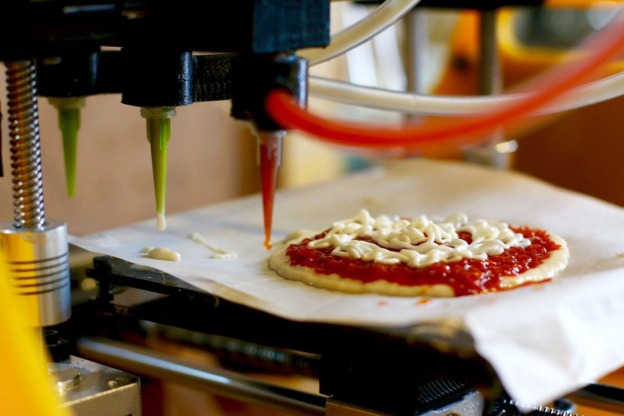
From industrial manufacturing, 3D printing technology has found its way into most different sectors: healthcare, fashion, and now even cuisine. The basic principle of the technology is creating three-dimensional objects layer by layer according to digital models.
In the culinary world, 3D food printing is one area that is making strides in changing our perceptions of food preparation and presentation. With leaders such as XMAKE Manufacturing pushing new boundaries, 3D-printed Food is not a future idea but a reality changing the dining experience.
Case Studies of Restaurants and Chefs Using 3D-Printed Food
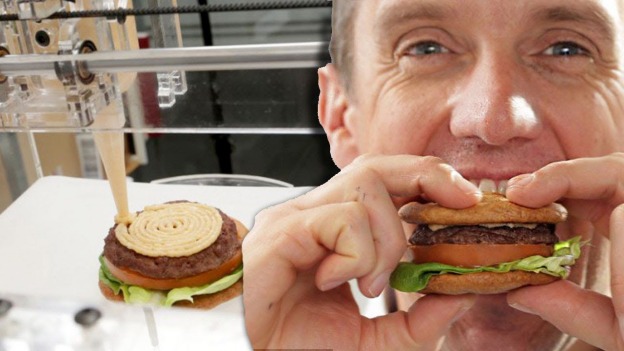
Innovative are the restaurants and chefs at the helm of this 3D-printed food revolution. For instance, Food Ink’s pop-up restaurant has become a bit legendary because it offers full meals created through printing.
This shop surprises and cheers its consumers with its unique 3D-printing technologies, which can create quite complex dishes, the structure and presentation of which represent some surprise. On the high-class front, Melisse in Santa Monica has integrated printing for that level of cuisine sophistication and visual appeal enhancement under Chef Josiah Citrin.
Chefs who have come to adopt 3D printing technology are quick to note the creativity that comes with it. Chef Josiah Citrin of Melisse says, “3D printing allows us to push the boundaries of culinary art, creating designs that would be impossible to achieve by hand.”
This is how many people in the industry regard printing: as a tool that will enhance one’s artistic expression in cooking. Even the customers are fascinated by the novelty and innovation. One of the regular customers of Food Ink found, “The experience was like dining in a sci-fi movie. The Food was not only delicious but also visually stunning.”
The Future of 3D-Printed Food in the Culinary Industry
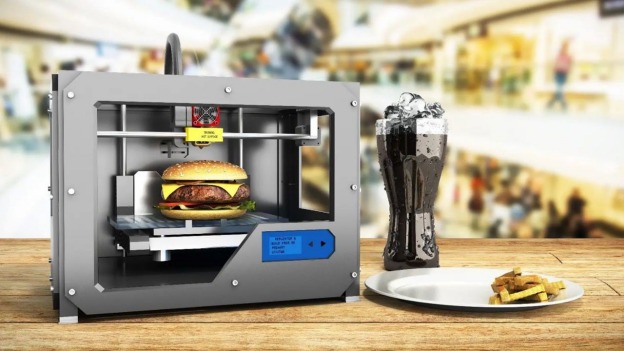
As printing technology becomes more advanced, it will significantly impact the world of cuisine. This might mean less expensive and more versatile 3D printers so that the technology is available to a higher percentage of chefs and restaurateurs.
One result could be more personalized dining experiences through customization of the dish for individual tastes and dietary requirements. In that sense, printing can usher in new textures and flavors, offering diners experiences unlike ever before.
The potential for 3D printers in home kitchens is immense. Home cooks could start printing their meals and desserts as these devices become more user-friendly and affordable. Imagine being able to customize pasta shapes, create intricate cake decorations, or even print out complex recipes with a button.
Companies like XMAKE manufacturing are already developing home-friendly printers that could revolutionize at-home cooking and baking, making gourmet Food accessible to everyone.
Conclusion
3D-printed Food is transforming our dining experiences by offering unprecedented creativity and precision. As this technology evolves, it promises to democratize culinary art, enabling chefs and home cooks to experiment with complex designs and flavors. Additionally, XMAKE 3D Printing could foster more sustainable food production practices. Whether visiting a restaurant with 3D-printed dishes or trying a home printer, exploring this innovative intersection of technology and gastronomy will surely enhance your appreciation for the culinary arts.
About Author:
Frank Lee, at the helm of XMAKE, steers the company’s vision with expertise honed over 16 years in the field. A graduate of HIT, he has served as a Lean Manufacturing System expert at General Motors and a global evaluator. Frank has a proven track record of pioneering improvements across 1,000 factories. His extensive experience and leadership have driven significant advancements in manufacturing processes.