

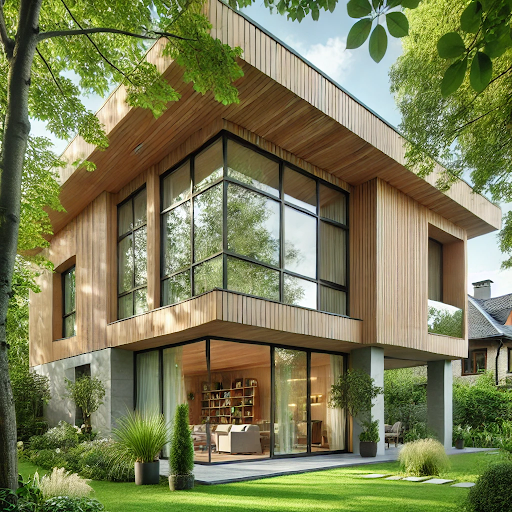
In the quest for sustainable and energy-efficient building practices, wood has emerged as a remarkable material that offers numerous benefits. Not only does wood provide a natural and aesthetic appeal, but it also contributes significantly to energy efficiency. This article delves into the role of wood in creating energy-efficient buildings, exploring its advantages, practical applications, and the science behind its effectiveness.
The Thermal Insulation Properties of Wood
Wood is an excellent insulator, making it a valuable material for energy-efficient building design. The cellular structure of wood contains air pockets that reduce heat transfer, helping to maintain a consistent indoor temperature. This natural insulation property reduces the need for artificial heating and cooling systems, thereby lowering energy consumption.
- Low Thermal Conductivity: Wood has low thermal conductivity compared to other building materials like steel and concrete. This means it does not readily transfer heat, keeping interiors warm in winter and cool in summer.
- Regulates Humidity: Wood can absorb and release moisture, which helps to regulate indoor humidity levels. This property enhances comfort and reduces the load on HVAC systems.
Design Strategies for Energy Efficiency
Incorporating wood into building design requires strategic planning to maximize its energy efficiency benefits. Here are some design strategies that leverage the properties of wood:
Passive Solar Design
Passive solar design utilizes the sun’s energy to heat and light buildings naturally. Wood plays a crucial role in this design strategy by providing thermal mass and natural insulation.
- Thermal Mass: Wood can be used to create thermal mass, which absorbs and stores heat during the day and releases it at night. This helps to maintain a stable indoor temperature and reduces the need for artificial heating.
- Window Placement: Strategically placing windows in a wood-framed structure allows for optimal solar gain. Using wood frames with low-emissivity glass further enhances energy efficiency.
| Design Strategy | Description | Benefits |
| Passive Solar Design | Utilizes the sun’s energy to heat and light buildings naturally. Wood provides thermal mass and natural insulation. | Reduces need for artificial heating and lighting, maintains stable indoor temperature, energy-efficient |
| Thermal Mass | Wood absorbs and stores heat during the day and releases it at night, aiding in temperature regulation. | Maintains stable indoor temperature, reduces artificial heating needs |
| Window Placement | Strategically placing windows in a wood-framed structure for optimal solar gain. Using wood frames with low-emissivity glass enhances energy efficiency. | Maximizes natural light and heat, reduces need for artificial lighting and heating |
| Airtight Construction | Wood helps create airtight building envelopes, minimizing gaps and air leaks, ensuring airtight construction. | Prevents heat loss, maintains indoor air quality, improves overall insulation performance |
| Sealing Gaps | Using wood for structural framing and cladding minimizes gaps and air leaks. Proper sealing of joints and connections ensures airtight construction. | Reduces heat loss, improves energy efficiency, maintains indoor air quality |
| Vapor Barriers | Installing vapor barriers in wood-framed buildings to prevent moisture ingress and improve insulation performance. | Enhances insulation performance, prevents moisture damage, improves indoor air quality |
Airtight Construction
Airtight construction is essential for preventing heat loss and maintaining indoor air quality. Wood is an excellent material for creating airtight building envelopes.
- Sealing Gaps: Using wood for structural framing and hardwood cladding helps to minimize gaps and air leaks. Proper sealing of joints and connections ensures an airtight construction.
- Vapor Barriers: Installing vapor barriers in wood-framed buildings prevents moisture ingress and improves insulation performance.
Sustainability and Environmental Impact
Wood is a renewable resource, and its use in construction has several environmental benefits. Sustainable forestry practices ensure a continuous supply of wood while preserving ecosystems.
- Carbon Sequestration: Trees absorb carbon dioxide as they grow, storing carbon in their wood. Using wood in buildings locks this carbon away for the life of the structure, reducing greenhouse gas emissions.
- Low Embodied Energy: The production and processing of wood require less energy compared to other building materials. This results in lower embodied energy and a smaller carbon footprint for wood-based buildings.
Practical Applications and Examples
Wood has been successfully used in various energy-efficient building projects around the world. These examples demonstrate the versatility and effectiveness of wood in creating sustainable structures.
Residential Buildings
Wood is a popular choice for residential construction due to its aesthetic appeal and energy efficiency benefits. Many homeowners opt for wood-framed houses with hardwood cladding to enhance insulation and reduce energy costs.
Commercial and Public Buildings
Wood is also being used in large-scale commercial and public buildings. Projects like the Brock Commons Tallwood House in Canada and the Dalston Lane project in London showcase the potential of wood in high-rise construction while achieving high energy efficiency standards.
Conclusion
The role of wood in energy-efficient building design is multifaceted and significant. Its natural insulation properties, combined with innovative wood products and strategic design practices, make wood an ideal material for sustainable construction. By choosing wood, builders and architects can create energy-efficient buildings that not only reduce environmental impact but also provide comfortable and healthy living spaces. As the demand for sustainable building solutions grows, wood will continue to play a vital role in shaping the future of energy-efficient architecture.