

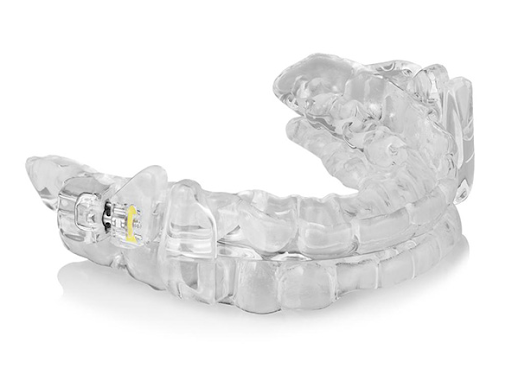
Snoring isn’t just about the noise. Your partner keeps nudging you awake. You’re exhausted despite hours in bed. That brain fog hits hard by midday. A mandibular splint for snoring works where the problem actually starts—in how your jaw positions itself while you’re completely unconscious.
Why Your Jaw Position Matters More Than You Think
When you fall into deep sleep, your lower jaw drops backward. Gravity pulls on relaxed muscles. This backward movement squeezes your airway into a narrow passage. Air rushes through faster. It creates turbulence against soft tissue. That turbulence becomes your snore. A mandibular splint holds your jaw forward just slightly. Those tiny millimetres open up your airway. The difference is remarkable.
The Real Impact on Your Brain Function
Sleep disruption does something insidious to your brain. Your airway narrows and oxygen levels dip. Your brain partially wakes you to restore normal breathing. You won’t remember these moments. They happen repeatedly throughout the night. This fragmented sleep steals your REM and deep sleep phases. Those are the stages where your brain consolidates memories. Neural pathways get repaired during that time. People blame aging or stress for declining focus. They never connect it to their snoring pattern.
What Makes These Devices Different from Drugstore Options
Chemists stock boil-and-bite mouth guards everywhere. They claim to stop snoring instantly. A properly fitted mandibular splint for snoring works through precision. Generic devices can’t match your specific bite alignment. They ignore jaw joint sensitivity. The exact degree of advancement your airway needs gets overlooked. Too little advancement means you still snore. Too much creates temporomandibular joint pain. Professional fitting accounts for your unique dental architecture.
The Adjustment Period Nobody Warns You About
The initial days with a mandibular splint feel strange. Your jaw might ache when you wake up. Saliva production increases as your mouth adapts. Some people notice a subtle pulling sensation on their front teeth. These responses are completely normal. Your oral structures are adjusting to a new position. Most users find these sensations fade quickly. Giving up too early means missing the relief that follows.
How This Affects Your Partner’s Health Too
The person beside a chronic snorer develops health problems too. Partners show elevated stress hormones. Their sleep architecture gets disrupted. Irritability increases during waking hours. Some couples resort to separate bedrooms. Emotional distance creeps into relationships. When a mandibular splint for snoring eliminates the noise, it restores rest for both people. Relationship satisfaction often improves dramatically.
The Connection to Morning Headaches
Waking with headaches happens for a reason. Your snoring might be the hidden culprit. Restricted airways reduce oxygen reaching your brain overnight. Blood vessels dilate to compensate. This triggers vascular headaches. Muscle tension from struggling to breathe creates referred pain. Your head and neck bear the burden. Users often report their chronic morning headaches vanish after starting mandibular splint therapy. The connection between nighttime breathing and daytime pain becomes crystal clear.
Maintenance Realities That Extend Device Lifespan
A mandibular splint for snoring needs proper care to stay effective. Rinse it each morning with cool water. Hot water warps the material. Brush it gently with a soft toothbrush and mild soap. Toothpaste is too abrasive for the device. Store it dry in a ventilated case. Never seal it in plastic while damp. These habits prevent bacterial buildup. Material degradation slows down significantly. Neglected devices develop odours. They lose their precise fit. The effectiveness you paid for disappears.
Conclusion
Snoring signals compromised breathing that affects your entire body. A properly fitted mandibular splint addresses the mechanical cause head-on. Real relief comes from fixing the problem, not masking symptoms. Sharper thinking returns. Mood stability improves. Cardiovascular function gets better. Intimacy with your partner gets restored. Anyone serious about restorative sleep should consult a dental sleep specialist. Exploring mandibular splint options makes genuine sense for lasting change.