

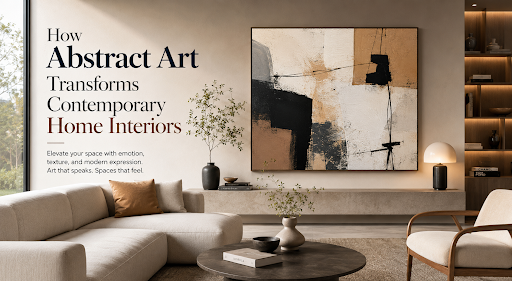
Contemporary home design is no longer limited to sleek furniture, neutral walls, and open layouts. Today, the most memorable interiors are shaped by personality, emotion, and visual rhythm. This is where abstract art becomes a powerful design element. It does more than decorate a wall. It changes how a room feels, how people move through it, and how individual style is expressed.
From a search-focused content perspective, abstract art attracts attention because it connects design intent with emotional storytelling. Homeowners are not simply looking for something beautiful. They want pieces that make their spaces feel refined, personal, and complete. A carefully chosen artwork can bring warmth to a minimalist room, energy to a quiet corner, or sophistication to a modern living area.
The Growing Role of Abstract Art in Modern Homes
Abstract art has become a favorite choice for contemporary interiors because it does not force a single interpretation. Unlike traditional portraits, landscapes, or still-life paintings, abstract pieces leave room for imagination. Shapes, textures, colors, and movement allow viewers to form their own connection with the work.
This flexibility makes abstract art especially useful in modern homes. Contemporary interiors often feature clean lines, open spaces, and simplified color schemes. While these design choices create order, they can sometimes feel too restrained without expressive details. Abstract art adds the missing layer. It introduces depth, contrast, and emotional balance without disturbing the overall design.
A large textured canvas in a living room, for example, can soften architectural sharpness. A minimalist abstract print in a hallway can create a sense of flow. A bold composition above a dining table can become a natural conversation starter. In each case, the artwork enhances the space without overwhelming it.
Why Abstract Art Works So Well with Contemporary Interior Decor
The strength of abstract art lies in its adaptability. It can complement many styles, from Scandinavian simplicity to industrial loft design, Japandi interiors, luxury apartments, and modern family homes. Because it is not tied to one subject, it can be selected according to mood, palette, shape, or scale.
In interior decor, this flexibility matters. A room often needs one strong visual element to bring everything together. Abstract art can connect separate design features, such as a sofa color, rug pattern, lighting finish, or natural material. It acts like a bridge between furniture, architecture, and atmosphere.
A soft beige and cream abstract piece can support a calm bedroom palette. A black and white artwork can sharpen a modern office. A textured neutral canvas can add dimension to a quiet lounge area. A vibrant piece with blue, orange, or green tones can energize a room that feels too plain.
Well-placed art can also help solve common design issues, including:
- Empty walls that make a room feel unfinished
- Neutral spaces that lack warmth or movement
- Open-plan areas that need visual definition
- Small rooms that need a stronger focal point
- Modern interiors that feel too flat or impersonal
Abstract art works because it adds character while still allowing the room to breathe.
Creating a Focal Point Without Visual Clutter
One of the biggest challenges in contemporary design is creating interest without adding clutter. Modern homeowners often prefer fewer objects, cleaner surfaces, and a more spacious feeling. However, a room with too little visual detail can feel cold or incomplete.
Abstract art solves this problem beautifully. A single statement piece can deliver impact without requiring multiple accessories. It gives the eye a place to rest and creates structure within the room. This is especially effective in spaces with simple furniture and neutral walls.
For example, placing a large abstract artwork above a sofa can instantly anchor the seating area. In a bedroom, a calming piece above the headboard can make the space feel more intentional. In a dining room, a dramatic canvas can bring elegance without adding unnecessary objects to the table or shelves.
Scale is important here. A piece that is too small may look disconnected, while one that is too large can overpower the room. As a general rule, artwork above furniture should cover roughly two-thirds of the furniture width. This creates balance and helps the piece feel integrated rather than randomly placed.
Color, Mood, and Emotional Impact
Color has a direct influence on how people experience a room. Abstract art allows homeowners to introduce color in a controlled and stylish way. Instead of painting an entire wall or buying bold furniture, they can use art to bring in just the right amount of energy.
Warm colors such as terracotta, rust, gold, and soft orange can make a room feel welcoming. Cool tones such as blue, gray, and sage can create calmness. Deep colors like charcoal, navy, and forest green can add elegance and drama. Neutral abstract pieces can still be powerful when they use texture, layering, and subtle contrast.
This is why abstract art is useful in both quiet and expressive interiors. It does not need to shout to be effective. Sometimes the most impactful piece is one that blends gently with the room while adding quiet sophistication.
For homeowners exploring Acousart, a wall art brand focused on abstract art, interior decor, and contemporary art store collections, the appeal often comes from this balance between style and emotion. The right artwork can feel modern, but also personal. It can look polished, but still warm and livable.
Texture and Dimension in Contemporary Wall Art
Texture is one of the most important details in today’s interiors. Smooth walls, polished floors, metal fixtures, and clean-lined furniture need contrast to feel inviting. Textured abstract art introduces depth that flat decor cannot always provide.
A textured canvas can catch natural light during the day and look more dramatic under warm lighting at night. Raised surfaces, layered brushwork, and organic patterns bring movement to the wall. This creates a sensory quality that makes the room feel more curated.
Textured artwork is especially effective in minimalist homes because it adds interest without relying heavily on color. A white, cream, taupe, or gray textured piece can be subtle but still visually rich. It supports the calm feeling of the room while preventing the space from looking plain.
This approach works beautifully in bedrooms, entryways, reading corners, and offices. It also suits luxury interiors where small details make a major difference.
Choosing the Right Abstract Art for Each Room
Every room has a different purpose, so the artwork should support how the space is used. A living room can handle stronger shapes and larger sizes because it is often the social center of the home. A bedroom usually benefits from softer colors and calmer compositions. A home office may need art that feels focused, creative, and energizing.
When choosing abstract art, consider these practical points:
- Match the mood of the artwork to the purpose of the room
- Use color to connect the art with existing furniture or textiles
- Choose the right size for the wall and nearby furniture
- Think about lighting and how it affects texture
- Avoid overcrowding walls with too many competing pieces
A curated contemporary art store can make this process easier by presenting collections around style, color, and atmosphere. Acousart, for instance, showcases abstract, textured, and minimalist artworks designed for modern living and working spaces. This kind of selection helps homeowners find pieces that feel intentional rather than random.
Making Small Spaces Feel More Designed
Abstract art is not only for large homes or open-plan interiors. It can also transform small apartments, compact bedrooms, narrow hallways, and modest home offices. In smaller spaces, the right artwork can make the room feel more finished and thoughtfully designed.
A vertical abstract piece can make a wall appear taller. A light-toned artwork can help a compact room feel airy. A bold piece in a small entryway can create personality immediately, even before someone steps fully into the home.
The key is restraint. In small spaces, one strong piece is often better than several small ones. This keeps the look clean while still adding style. Abstract art allows homeowners to express taste without filling the room with extra furniture or decor.
How Art Reflects Personal Style
A home should feel connected to the people who live there. Abstract art helps achieve this because it invites personal interpretation. One person may see calm movement in a piece, while another may notice energy, balance, or contrast. This open quality makes abstract work feel deeply individual.
In contemporary interiors, personal style often shows through subtle decisions. The curve of a chair, the tone of a wood table, the texture of a rug, or the artwork on a wall can say a lot. Abstract art becomes part of that personal language.
It also allows a home to evolve. As furniture changes or rooms are refreshed, abstract pieces can often remain relevant because they are not tied to a specific trend. A well-chosen artwork can move from a living room to a bedroom, office, or hallway and still feel at home.
A More Inspired Way to Shape Your Space
Abstract art transforms contemporary home interiors because it adds what modern design needs most: emotion, depth, focus, and individuality. It can warm up minimal spaces, define open layouts, create visual balance, and make everyday rooms feel more considered.
The best interiors are not built from furniture alone. They are shaped by atmosphere. Wall art plays a major role in that atmosphere because it changes how a room is experienced from the moment someone enters.
Whether the goal is a calm bedroom, a sophisticated living room, a creative workspace, or a welcoming hallway, abstract art offers a flexible and expressive solution. With thoughtfully selected pieces from sources such as Acousart, homeowners can create interiors that feel modern, personal, and visually complete. A single artwork can shift the entire mood of a room, proving that contemporary design is not just about how a space looks, but how it feels to live in.