

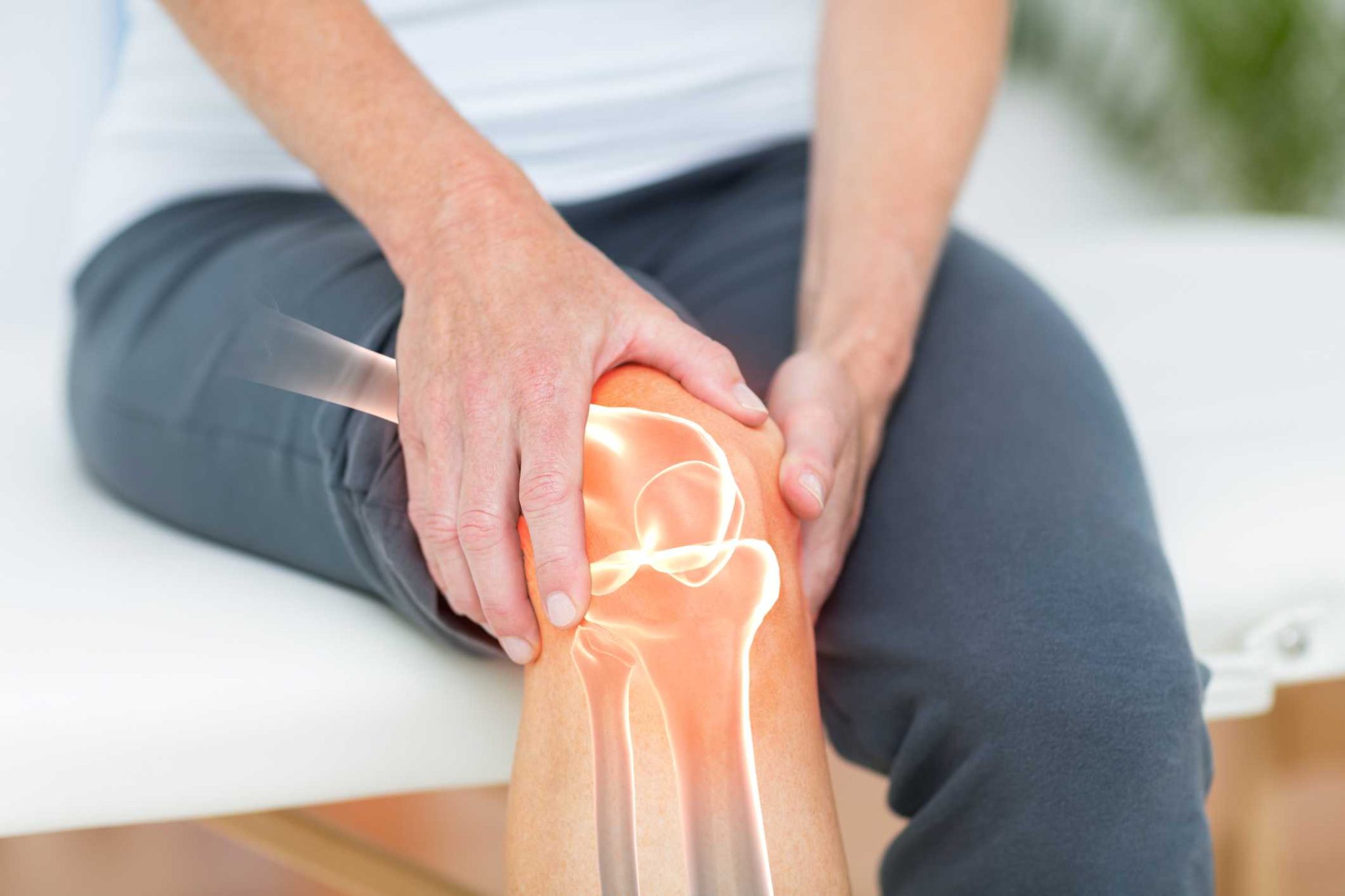
Arthritis can significantly impact your quality of life, often making even simple tasks feel challenging. It is a condition characterized by pain, stiffness, and inflammation in the joints, affecting many people worldwide. While there is no cure for arthritis, here are some effective ways to manage its symptoms and improve joint mobility:
Daily Life Impacts
Living with arthritis can present constant challenges. Stiffness in the joints may make morning routines difficult, while pain can interfere with activities such as walking, cooking, or even opening a jar. For those with severe arthritis, the limitations can affect not just physical abilities but also mental well-being. When everyday tasks become frustrating or require assistance, independence can begin to wane. Understanding the effects of arthritis is the first step toward regaining control and finding effective strategies to manage it.
Effective Arthritis Exercises
Staying active is one of the most effective ways to improve joint mobility and reduce arthritis symptoms. Gentle exercises help keep the joints lubricated while strengthening the surrounding muscles. Here are a few you can try:
- Stretching: Stretching is a simple and effective way to improve range of motion. Focus on stretching major muscle groups around affected joints, such as the hamstrings, quadriceps, and shoulders.
- Low-impact activities: Swimming, yoga, or cycling, reduce joint stress while increasing mobility.
- Range-of-motion exercises: Moves like wrist rotations or shoulder rolls work to maintain flexibility in the joints.
Consistency is key, and starting slow helps so that you don’t overexert stiff or painful joints.
Pain Management Strategies
Managing arthritis pain often involves a multi-faceted approach. Over-the-counter medications, such as acetaminophen or NSAIDs, may provide quick relief for mild symptoms. However, many people find additional relief through alternative techniques. Ice packs can soothe inflammation, while heat therapy might ease stiff joints. Some individuals also benefit from relaxation techniques, such as deep breathing and mindfulness, which help alleviate pain intensity. It’s important to listen to your body and experiment to find what works best for you.
Physical Therapy Approaches
Physical therapists often play a crucial role in managing arthritis. Through personalized programs, therapists help patients improve joint strength and mobility. These sessions are especially beneficial for individuals with severe arthritis, as they are customized to their specific needs. A physical therapist might teach you how to perform certain movements with proper alignment to reduce joint stress. You’ll also gain access to tailored exercises designed to maintain joint health over the long term.
Long-Term Strategies
Managing arthritis is a lifelong process, but with the right strategies, it’s possible to maintain an active and fulfilling life. Establishing a regular exercise routine, adhering to a balanced diet rich in anti-inflammatory foods, and maintaining consistency with prescribed treatments can make a significant difference in overall health. Additionally, support from family, friends, or arthritis communities can provide emotional encouragement and practical advice. With patience and persistence, you can find relief and continue to enjoy activities.
Find a Professional for Arthritis Challenges
Arthritis doesn’t have to define your life. By employing these strategies, including exercises, pain management techniques, and the help of physical therapy, you can take meaningful steps toward improving your joint mobility and overall well-being. Start small, be consistent, and know that minor improvements can be significant when it comes to managing arthritis effectively.